


Coffee vs Energy Supplements refers to the comparison between traditional coffee and formulated energy supplements in terms of energy duration, side effects, caloric content, metabolic benefits, and overall performance enhancement. While both provide caffeine for energy, supplements often include additional compounds like L-Theanine to create smoother, longer-lasting energy without the crashes and jitters commonly associated with coffee.
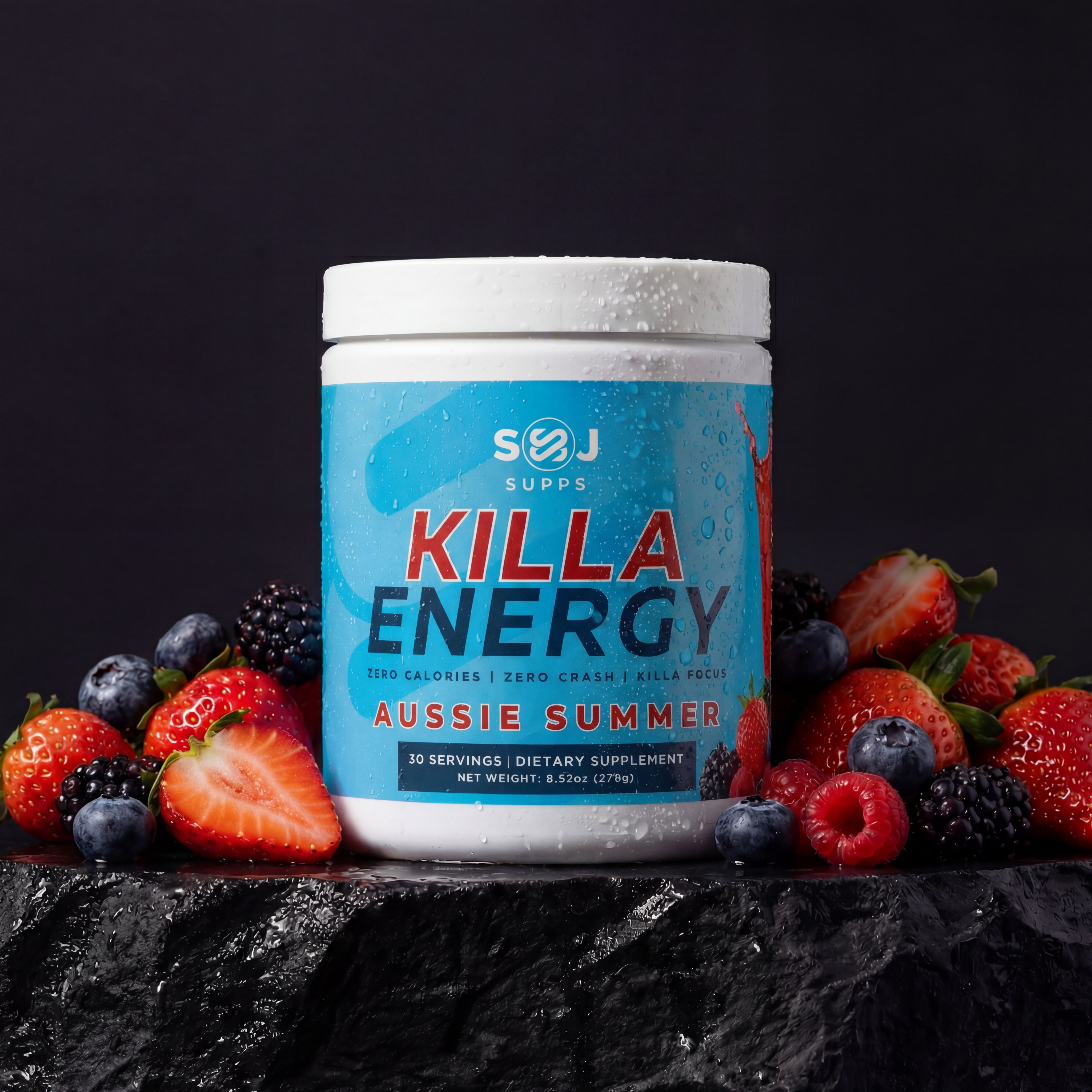
S&J Killa Energy™
6 hours clean energy · Zero calories · 100% natural · Won’t break your fast
How Coffee and Clean Energy Supplements Compare
The fundamental difference lies in caffeine delivery and accompanying compounds. Coffee provides caffeine along with hundreds of other compounds, including chlorogenic acids and tannins, which can cause digestive upset and energy crashes. According to the Journal of the International Society of Sports Nutrition, caffeine's half-life is 3-5 hours, meaning coffee's effects typically peak within 30-60 minutes and decline rapidly thereafter.
Energy supplements, particularly those combining caffeine with L-Theanine, work through a different mechanism. Research published in the Asia Pacific Journal of Clinical Nutrition found that L-Theanine, an amino acid naturally found in tea, increases alpha brain waves and promotes relaxation without sedation. When combined with caffeine in a 2:1 ratio (100mg L-Theanine to 50mg caffeine), this combination reduces caffeine's stimulatory side effects while extending its cognitive benefits. The Mayo Clinic reports that this pairing can provide sustained energy for 4-6 hours compared to coffee's typical 2-3 hour window, while significantly reducing the likelihood of jitters and energy crashes that affect approximately 30% of coffee drinkers.
Why Your Energy Source Matters
This comparison matters because energy consistency directly impacts productivity, workout performance, and metabolic health. The American Journal of Clinical Nutrition published research showing that stable energy levels throughout the day improve fat oxidation rates by up to 15% compared to the energy spikes and crashes associated with traditional coffee consumption.
For fitness enthusiasts and busy professionals, the timing and quality of energy intake can make or break performance goals. Harvard Health Publishing notes that caffeine crashes often lead to increased sugar cravings and overeating, potentially adding 200-400 extra calories per day. Clean energy supplements eliminate these crashes while providing the same cognitive and physical performance benefits as coffee, but with better metabolic outcomes and fewer digestive side effects that can interfere with training and daily activities.
Practical Takeaways
- Time your caffeine intake 30-45 minutes before workouts for optimal performance, regardless of source
- Limit total daily caffeine to 400mg as recommended by the FDA, equivalent to about 4 cups of coffee or 2-3 servings of most energy supplements
- If you experience coffee jitters, try supplements with L-Theanine in a 2:1 ratio with caffeine for smoother energy
- Track your energy patterns for one week to identify crashes and optimal timing for sustained productivity
- Choose supplements with 150mg or less caffeine per serving to avoid the tolerance buildup that requires increasing doses over time
- Stay hydrated with 16-20 ounces of water when consuming any caffeine source to prevent dehydration-related energy dips
This is why we formulated S&J Killa Energy™ with 150mg of caffeine paired with L-Theanine, delivering 6 hours of clean, focused energy without the jitters or crashes that derail so many coffee drinkers' daily routines.