


Pea protein delivers significantly more protein per serving (20g vs 10-15g) and provides a complete amino acid profile, while hemp protein offers more fiber but lower overall protein content. This makes pea protein the superior choice for muscle building and recovery, while hemp protein may better suit those prioritizing digestive health over protein density.
With so many plant-based protein options flooding the market, it's completely understandable to feel overwhelmed by conflicting advice. You're smart to dig deeper into the specifics — the differences between these two popular plant proteins go far beyond marketing claims.
According to the International Society of Sports Nutrition, plant proteins can be just as effective as animal proteins for muscle protein synthesis when they provide adequate essential amino acids. Understanding which plant protein delivers on this promise is crucial for your results.
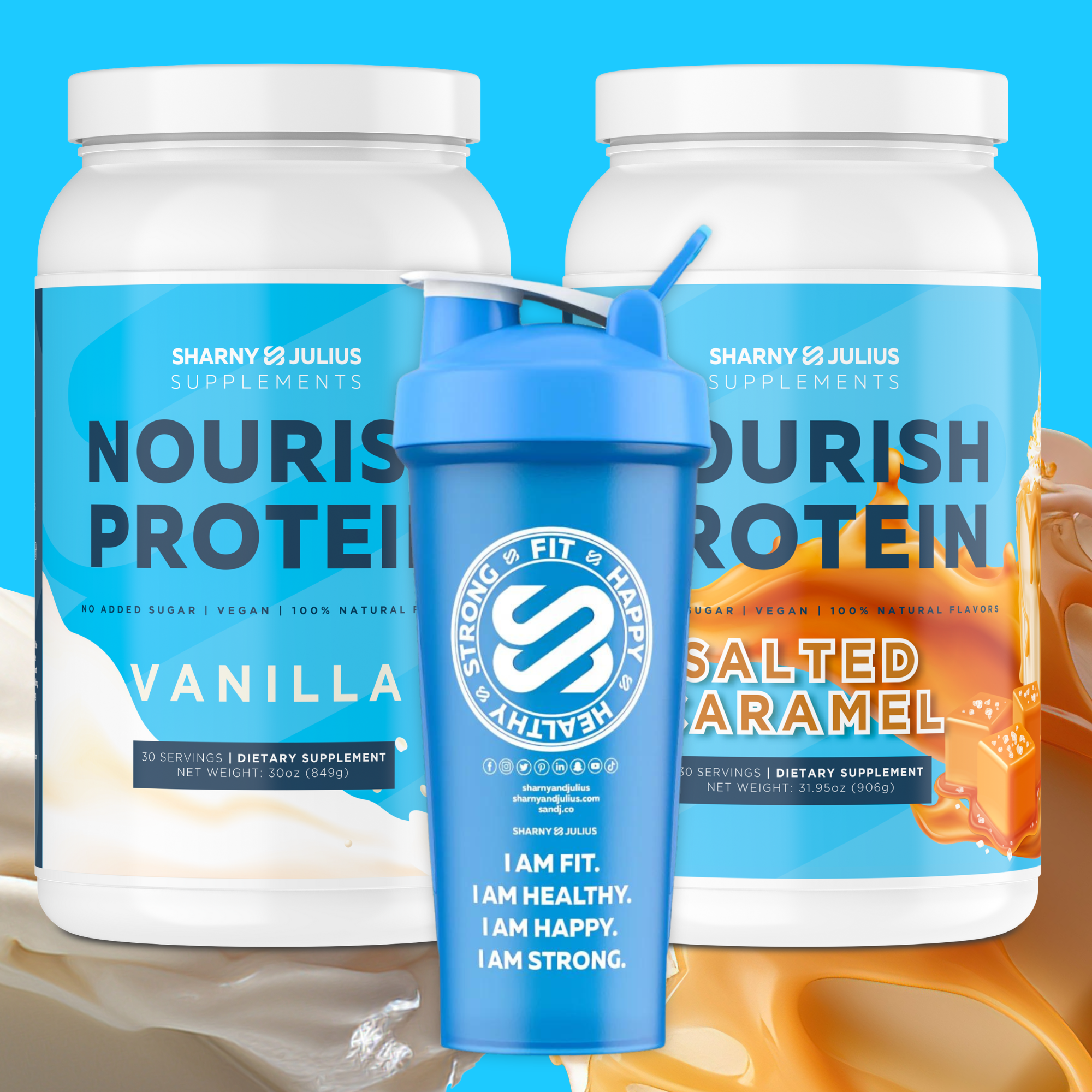
S&J Nourish™ Plant Protein
20g protein · All 9 EAAs · Free from all 9 allergens · NSF Certified
Why Protein Density and Amino Acid Profiles Matter
The fundamental difference between pea and hemp protein lies in their protein concentration and amino acid completeness. Pea protein isolate typically delivers 20-25g of protein per 30g serving, while hemp protein provides only 10-15g in the same serving size. This matters because your muscles need sufficient protein stimulus to trigger muscle protein synthesis.
More importantly, pea protein contains all nine essential amino acids in ratios that closely match whey protein, particularly the crucial branched-chain amino acids (leucine, isoleucine, and valine). Hemp protein, while containing all essential amino acids, has lower levels of lysine and leucine — the key drivers of muscle protein synthesis.
According to research published in the Journal of the International Society of Sports Nutrition, leucine content is the primary trigger for muscle protein synthesis, with pea protein providing 1.7-2.2g of leucine per serving compared to hemp's 1.0-1.3g. This difference directly impacts your recovery and muscle-building potential.
What to Look for in a Plant-Based Protein
When comparing pea and hemp protein options, prioritize these key factors:
1. Protein density: Look for at least 20g of protein per serving to meet muscle protein synthesis thresholds
2. Complete amino acid profile: Ensure all nine essential amino acids are present in meaningful amounts, especially leucine
3. Digestibility: Choose proteins that won't cause bloating or digestive discomfort
4. Purity and testing: Opt for NSF certified products with batch testing for banned substances and contaminants
5. Allergen-free formulation: Select proteins free from common allergens like dairy, soy, and gluten
S&J's S&J Nourish™ delivers on all these criteria with 20g of pea protein isolate per serving, all nine essential amino acids, and a BCAA ratio that matches whey protein. It's NSF certified for purity, free from all nine major allergens, and 97% of customers report zero bloating — addressing the common concerns with plant proteins.
Plant Protein Comparison FAQ
Is hemp protein a complete protein?
Yes, hemp protein is technically complete, containing all nine essential amino acids. However, it's lower in lysine and leucine compared to pea protein, making it less optimal for muscle protein synthesis despite being "complete."
Which has more protein pea or hemp?
Pea protein contains significantly more protein per serving, delivering 20-25g compared to hemp's 10-15g. This makes pea protein more efficient for meeting daily protein targets and triggering muscle protein synthesis.
Is hemp protein good for building muscle?
Hemp protein can support muscle building but is less effective than pea protein due to lower protein content and suboptimal leucine levels. You'd need larger servings to match pea protein's muscle-building potential.
Find Your Protein
If you're prioritizing muscle building, recovery, and protein efficiency, pea protein is the clear winner. Nourish™ provides 20g of complete pea protein isolate with all essential amino acids, zero bloating, and comes in delicious Vanilla and Salted Caramel flavors that customers compare to premium café drinks.
Shop Nourish