


No, pea protein does not contain soy — it's derived exclusively from yellow split peas, making it completely soy-free and safe for those avoiding soy allergens. With so much conflicting information about plant proteins floating around, it's completely understandable that you're double-checking the ingredients in your protein powder. According to Food Allergy Research & Education, soy is one of the top 9 allergens affecting millions of people, so knowing exactly what's in your supplements isn't just smart — it's essential. Pea protein offers a clean alternative that delivers complete nutrition without any of the concerns associated with soy-based proteins.
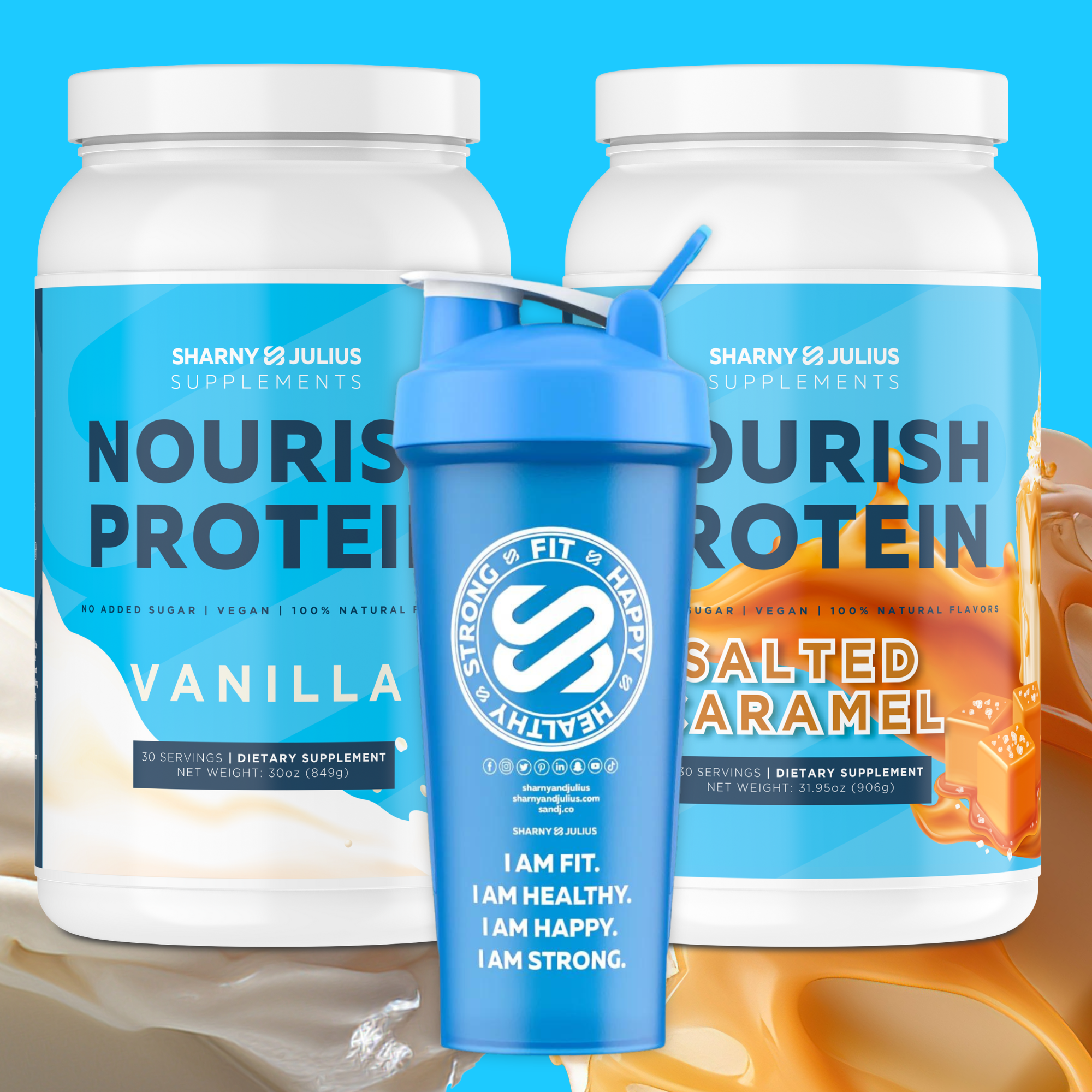
S&J Nourish™ Plant Protein
20g protein · All 9 EAAs · Free from all 9 allergens · NSF Certified
Why Allergen Clarity Matters for Soy-Avoiders
Understanding the botanical difference between pea and soy proteins is crucial for anyone with soy sensitivities or allergies. Pea protein comes from Pisum sativum (yellow split peas), while soy protein comes from Glycine max (soybeans) — these are completely different plant families with no cross-contamination risk. Unlike soy protein, which contains phytoestrogens called isoflavones that can mimic estrogen in the body, pea protein is free from these compounds entirely. This makes pea protein an ideal choice for those avoiding hormonal disruption or managing conditions like estrogen-sensitive cancers. According to the Journal of Food Science, pea protein isolate contains zero detectable isoflavones, providing peace of mind for health-conscious consumers seeking clean, hormone-neutral protein sources.
What to Look for in a Soy-Free Plant Protein
When choosing a pea protein that's truly soy-free, focus on these key criteria:
- Third-party allergen testing: Look for NSF certification or similar independent testing that verifies each batch is free from all major allergens, including soy.
- Complete amino acid profile: Ensure your protein contains all 9 essential amino acids, particularly a strong BCAA ratio for muscle protein synthesis.
- Clean manufacturing: Choose brands that manufacture in facilities with strict allergen controls to prevent cross-contamination.
- Digestive compatibility: Opt for proteins that won't cause bloating or digestive distress — a common issue with poorly processed plant proteins.
- Quality sourcing: S&J's S&J Nourish™ delivers 20g of pea protein isolate per serving with all 9 essential amino acids and a BCAA ratio that matches or exceeds whey. Every batch is NSF certified for purity and allergen-free status, with 97% of customers reporting zero bloating.
Soy-Free Protein FAQ
Is pea protein safe for people with a soy allergy?
Yes, pea protein is completely safe for people with soy allergies. Pea protein is derived from yellow split peas, which are botanically unrelated to soybeans and contain no soy proteins or allergens that could trigger an allergic reaction.
What is the difference between pea protein and soy protein?
Pea protein comes from yellow split peas and contains no phytoestrogens, while soy protein comes from soybeans and contains isoflavones that can mimic estrogen. Pea protein is also easier to digest and less likely to cause bloating than soy protein.
Can I use pea protein if I am trying to avoid oestrogen-mimicking foods?
Absolutely. Pea protein contains zero phytoestrogens or isoflavones, unlike soy protein which is rich in these estrogen-mimicking compounds. This makes pea protein ideal for those avoiding hormonal disruption from their protein sources.
Find Your Protein
If you're seeking a truly soy-free protein that won't compromise on quality or taste, Nourish™ delivers 20g of complete pea protein isolate that's certified free from all 9 major allergens. With NSF certification, zero bloating guarantee, and manufacturing in facilities with strict allergen controls, you can trust that every serving is completely soy-free and safe for your dietary needs.
Shop Nourish