


To boost metabolism after 40, combine resistance training with targeted nutrients like Green Tea Extract and L-Carnitine that support mitochondrial function and fat oxidation. Your metabolic decline isn't inevitable — it's largely driven by muscle loss and decreased cellular energy production, both of which respond to the right approach. According to Harvard Medical School, metabolism typically slows by 2-3% per decade after age 30, but this decline accelerates after 40 due to hormonal changes and reduced muscle mass. The good news? Unlike generic energy fixes that leave you crashing, targeted metabolic support addresses the root cause of age-related slowdown.
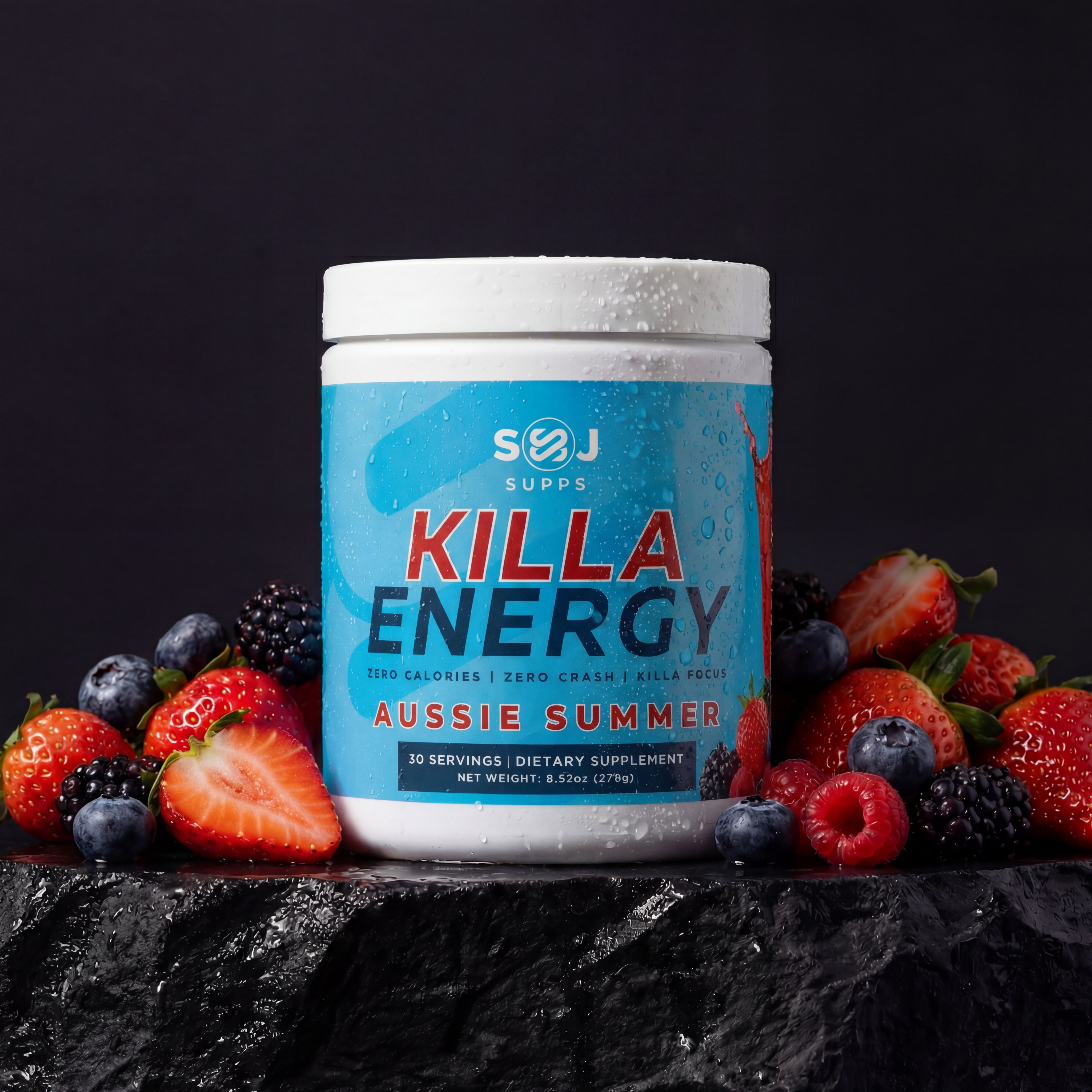
S&J Killa Energy™
6 hours clean energy · Zero calories · 100% natural · Won’t break your fast
Why Age-Related Metabolic Slowdown Affects Your Energy
After 40, your mitochondria — the cellular powerhouses that burn fat for fuel — become less efficient at producing energy. This creates a perfect storm: your body burns fewer calories at rest while simultaneously struggling to access stored fat for fuel. The compound L-Carnitine, which transports fatty acids into mitochondria for burning, naturally declines with age. Meanwhile, your muscle mass decreases by 3-8% per decade after 30, and muscle tissue is metabolically active even at rest. According to the American Journal of Clinical Nutrition, adults lose approximately 1% of muscle mass annually after age 40, directly impacting metabolic rate. This isn't about willpower or drinking more coffee — it's about cellular machinery that needs specific nutrients to function optimally. Your afternoon energy crashes and stubborn fat storage are symptoms of this deeper metabolic shift.
What Actually Works for Metabolic Decline After 40
1. Prioritize resistance training 2-3x weekly — muscle tissue burns calories 24/7, making it your metabolic insurance policy. 2. Time your protein intake — aim for 25-30g protein every 4-5 hours to maintain muscle synthesis. 3. Support intermittent fasting — fasting periods allow your body to access stored fat, but appetite suppression makes it sustainable. 4. Target mitochondrial support — Acetyl-L-Carnitine directly transports fatty acids into mitochondria where they're burned for fuel, while Green Tea Extract provides EGCG compounds that enhance fat oxidation. 5. Use clean, sustained energy — 150mg caffeine paired with L-Theanine delivers 6 hours of jitter-free focus without metabolic crashes. African Mango and Raspberry Ketones naturally suppress appetite, making calorie control effortless rather than a constant battle. Zero calories means these metabolic enhancers won't interfere with fasting or add unwanted intake.
Metabolism After 40 FAQ
Does metabolism really slow down after 40?
Yes, metabolism typically decreases by 2-5% per decade after 40 due to muscle loss and declining mitochondrial efficiency. However, this slowdown is largely preventable through resistance training and targeted nutritional support for cellular energy production.
What supplements help older adults maintain metabolism?
Acetyl-L-Carnitine supports fat burning by transporting fatty acids into mitochondria, while Green Tea Extract provides EGCG compounds that enhance metabolic rate. B-vitamins also become crucial for cellular energy production as absorption decreases with age.
How much does metabolism decline per decade?
Metabolism typically slows by 2-3% per decade after age 30, accelerating to 3-5% after 40. This equals roughly 50-100 fewer calories burned daily, explaining gradual weight gain even with unchanged eating habits.
Upgrade Your Energy
Your metabolic slowdown isn't permanent — it's addressable with the right cellular support. S&J Killa Energy™ delivers 6 hours of clean, focused energy while actively supporting fat metabolism through Acetyl-L-Carnitine, Green Tea Extract, and natural appetite suppressants, all with zero calories and zero jitters.
Shop Killa Energy