


To have energy on a vegetarian diet, prioritise iron-rich foods like spinach and lentils, supplement B12, and consider clean caffeine sources that provide sustained energy without crashes. The most common reason vegetarians experience fatigue is nutritional gaps—specifically iron and B12 deficiencies that directly impact cellular energy production. According to the American Journal of Clinical Nutrition, vegetarians have significantly lower serum B12 levels than omnivores, with 62% showing deficient or marginal B12 status. This isn't about your diet being "wrong"—it's about understanding how plant-based eating affects specific nutrients your energy systems depend on, then filling those gaps strategically.
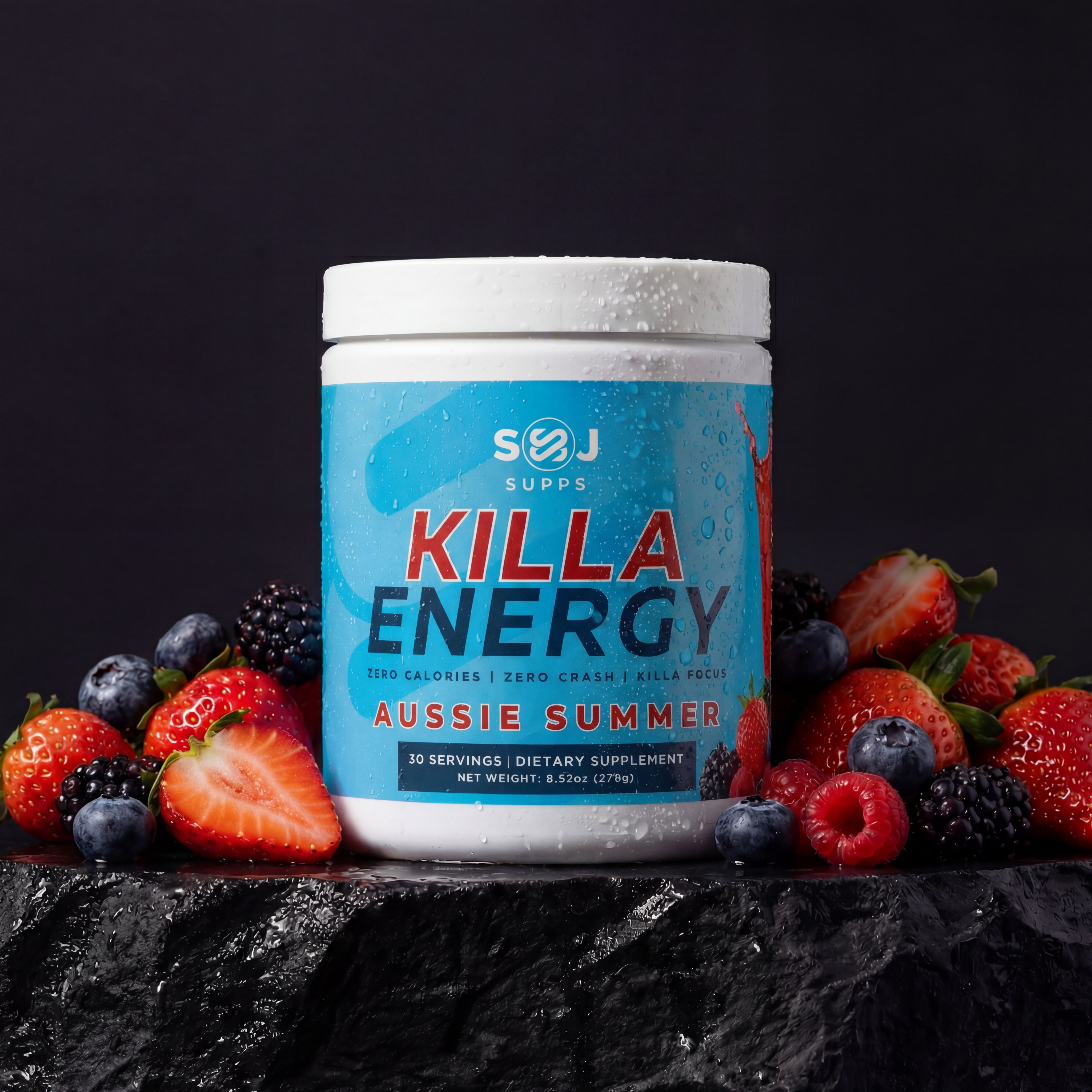
S&J Killa Energy™
6 hours clean energy · Zero calories · 100% natural · Won’t break your fast
Why Being Vegetarian Affects Your Energy
Your cells produce energy through complex processes that depend heavily on iron and B12—two nutrients that are less bioavailable in plant foods. Iron deficiency reduces your blood's ability to carry oxygen to tissues, while B12 deficiency impairs the cellular machinery that converts nutrients into usable energy. Plant-based iron (non-heme iron) is absorbed at only 2-20% efficiency compared to 15-35% for meat-based iron. According to the National Health and Nutrition Examination Survey, vegetarian women are nearly twice as likely to have iron deficiency as omnivores. Meanwhile, B12 exists almost exclusively in animal products, so vegetarians rely entirely on fortified foods or supplements. When these nutrients run low, you experience the classic symptoms: afternoon crashes, brain fog, and that underlying fatigue that coffee can't quite fix. Your energy problem isn't willpower—it's biochemistry.
What Actually Works for Vegetarian Energy
1. Pair iron-rich foods with vitamin C to boost absorption—think spinach salad with bell peppers or lentils with tomatoes. 2. Take a high-quality B12 supplement (methylcobalamin form) or ensure your fortified foods provide at least 25mcg daily. 3. Time your coffee strategically and avoid it with iron-rich meals, as caffeine blocks iron absorption. 4. Use clean energy supplements designed for sustained focus—S&J Killa Energy™ provides 150mg caffeine paired with L-Theanine for 6 hours of jitter-free energy without the crash. 5. Support your energy metabolism with targeted nutrients like Acetyl-L-Carnitine (which transports fatty acids into mitochondria for energy production) and the full spectrum of B vitamins that vegetarian diets often lack. Killa Energy™ includes all 8 B vitamins plus energy-supporting compounds like L-Tyrosine and L-Taurine, specifically formulated to address the nutritional gaps that cause vegetarian fatigue.
Vegetarian Energy FAQ
Do vegetarians have less energy?
Vegetarians can experience lower energy due to reduced bioavailability of iron and B12 from plant sources. However, with proper nutrition planning and strategic supplementation, vegetarians can maintain excellent energy levels that match or exceed omnivores.
What gives vegetarians more energy?
Iron-rich foods paired with vitamin C, B12 supplementation, and clean caffeine sources provide reliable energy for vegetarians. Focus on bioavailable nutrients and avoid energy-draining refined sugars that cause crashes.
Best energy supplement for vegetarian diet?
Look for supplements that combine clean caffeine with L-Theanine for sustained energy, plus B vitamins and energy-supporting compounds like Acetyl-L-Carnitine. Ensure it's vegan, naturally sweetened, and free from artificial additives.
Upgrade Your Energy
Stop settling for afternoon crashes and brain fog when the solution is addressing your body's actual nutritional needs. Killa Energy™ delivers 6 hours of clean, focused energy with 150mg caffeine, L-Theanine for zero jitters, all 8 B vitamins, and Acetyl-L-Carnitine—100% vegan and naturally sweetened with no artificial additives.
Shop Killa Energy