


Yes, most ascorbic acid in supplements is synthetically produced, but it's molecularly identical to natural vitamin C and equally effective for immune function. The synthetic form is created through fermentation or chemical synthesis, making it affordable and stable for supplementation. However, many people experience better results when synthetic ascorbic acid is combined with natural vitamin C cofactors and buffered forms for enhanced absorption.
If you've tried basic vitamin C tablets and felt little difference, you're not alone. The issue isn't whether ascorbic acid is synthetic — it's that most supplements use only one form of vitamin C without the supporting nutrients your body needs for optimal absorption. According to the National Institutes of Health, vitamin C absorption decreases significantly as dosage increases, with only 50% absorbed at doses above 1,000mg when taken as ascorbic acid alone.
The solution lies in combining pharmaceutical-grade ascorbic acid with buffered forms and natural cofactors that work together to maximize bioavailability and minimize stomach discomfort.
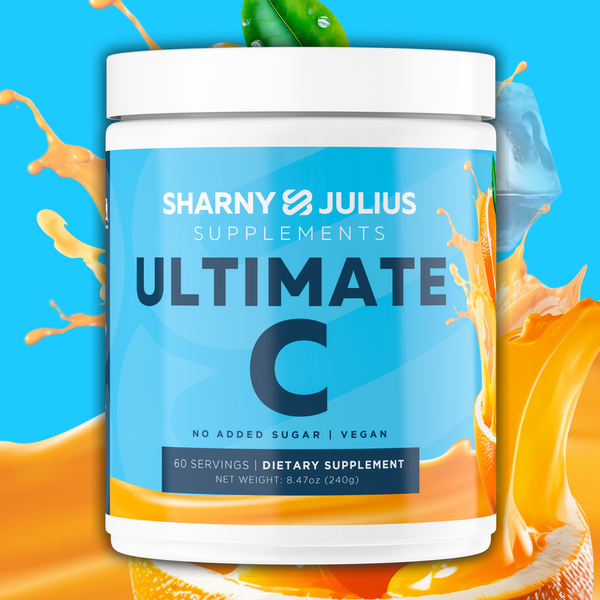
S&J Ultimate C
Triple-form vitamin C · Zero calories · Zero sugar · Family-safe
Why Questioning Vitamin C Sources Affects Your Immunity
Your concern about synthetic vitamin C likely stems from experiencing disappointing results with standard supplements. Here's why: synthetic ascorbic acid alone can cause stomach irritation and poor absorption, leading many to question its effectiveness. When you take high-dose ascorbic acid without buffering agents or cofactors, much of it passes through your system unused.
The biological reality is that vitamin C works best when delivered through multiple absorption pathways. Your intestinal cells have different transporters for various forms of vitamin C — ascorbic acid for immediate potency, buffered forms like sodium ascorbate for rapid uptake without irritation, and calcium ascorbate for sustained release. According to the American Journal of Clinical Nutrition, vitamin C absorption can be enhanced by up to 35% when combined with bioflavonoids, the natural compounds found alongside vitamin C in whole foods.
This is why isolated synthetic ascorbic acid often feels less effective than whole food sources — it lacks the supporting cast of nutrients that optimize absorption and cellular utilization.
What Actually Works for Maximizing Vitamin C Effectiveness
Here's how to get the most from vitamin C supplementation, whether synthetic or natural:
1. Take vitamin C with bioflavonoids — these plant compounds enhance absorption and extend vitamin C activity in your cells
2. Choose buffered forms if you have a sensitive stomach — sodium ascorbate and calcium ascorbate provide gentler delivery
3. Split larger doses throughout the day — your body absorbs smaller amounts more efficiently than mega-doses
4. Combine multiple forms — different vitamin C types use different absorption pathways for maximum uptake
5. Add natural cofactors — compounds like those in rosehip extract provide additional vitamin C plus supporting antioxidants
S&J Ultimate C addresses these absorption challenges by combining three pharmaceutical-grade forms of vitamin C: ascorbic acid for potency, sodium ascorbate for quick absorption without stomach irritation, and calcium ascorbate for gentle sustained release. Enhanced with citrus bioflavonoids and rosehip extract for natural cofactors, plus zinc for immune enzyme support — all in a zero-calorie, zero-sugar formula with natural orange flavour that tastes like orange juice.
Synthetic vs Natural Vitamin C FAQ
Is ascorbic acid the same as natural vitamin C?
Chemically, synthetic ascorbic acid is molecularly identical to natural vitamin C, but natural sources include beneficial cofactors like bioflavonoids that enhance absorption and effectiveness.
Is synthetic vitamin C as effective as natural vitamin C from food?
Yes, synthetic ascorbic acid provides the same vitamin C activity as natural sources, but combining it with natural cofactors and buffered forms maximizes absorption and reduces stomach irritation.
What is the difference between ascorbic acid and whole food vitamin C?
Ascorbic acid is the isolated vitamin C molecule, while whole food vitamin C includes supporting nutrients like bioflavonoids, rutin, and other antioxidants that enhance absorption and cellular utilization.
Upgrade Your Immunity
Stop settling for single-form vitamin C that leaves you questioning its effectiveness. Ultimate C combines pharmaceutical-grade ascorbic acid with buffered forms and natural cofactors for three different absorption pathways, enhanced bioavailability, and zero stomach discomfort — all in a family-friendly formula that tastes like orange juice.
Shop Ultimate C