


Protein powders are not inherently bad for your kidneys when used appropriately, but the type and amount matter significantly for long-term kidney health. The concern around protein and kidney damage stems from decades of research showing that excessive animal protein intake can increase glomerular filtration stress and create higher renal acid loads. Chronic kidney disease is common, which makes protein choices worth thinking about. Smart consumers like you are right to question whether your daily protein shake could be creating unnecessary strain on these vital organs. The good news? Not all proteins are created equal when it comes to kidney burden.
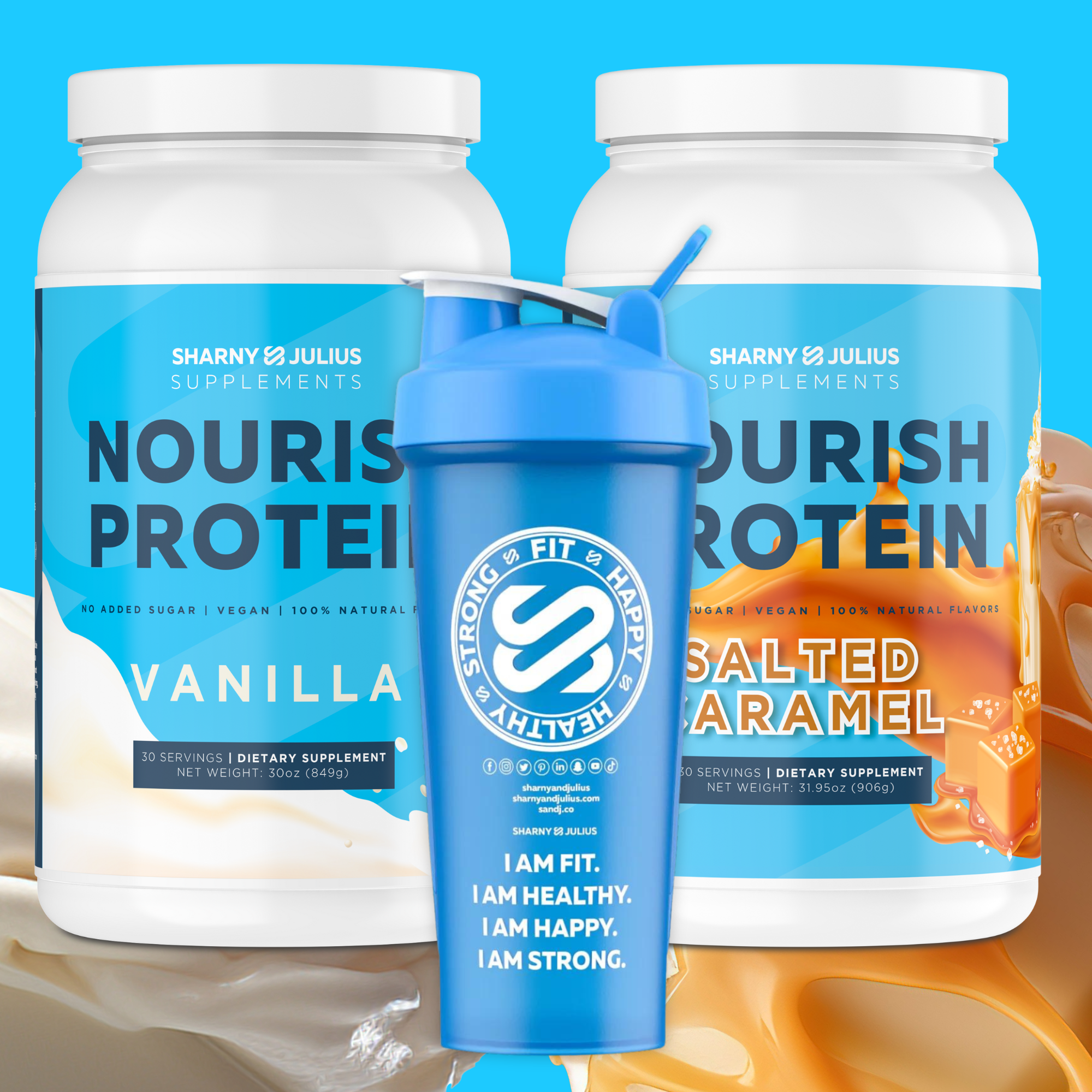
S&J Nourish™ Plant Protein
20g protein · All 9 EAAs · Free from all 9 allergens · NSF Certified
Why Kidney Health Matters for People Concerned About Protein
Your kidneys filter approximately 180 liters of blood daily, processing protein metabolites like urea and sulfate compounds that result from amino acid breakdown. Animal-based proteins, including whey, create higher renal acid excretion burdens due to their sulfur-containing amino acids, forcing your kidneys to work harder to maintain pH balance. Pea protein isolate offers a complete amino acid profile while producing significantly lower levels of these problematic byproducts. This means your kidneys can access the same muscle-building benefits—all 9 essential amino acids with optimal BCAA ratios—without the metabolic overhead that comes from processing whey or casein proteins over time.
What to Look for in a Protein for Kidney Health
1. Choose plant-based isolates: Pea protein isolate delivers complete amino acids with lower nitrogen waste production than dairy proteins. 2. Verify purity standards: Look for NSF certification ensuring every batch is tested for contaminants that could stress kidney function. 3. Avoid unnecessary additives: Skip proteins with artificial sweeteners, fillers, and gums that create additional metabolic burden. 4. Prioritize digestibility: Select proteins that don't cause bloating or digestive stress, which can indicate poor amino acid utilization. 5. Consider S&J Nourish™ plant protein: Our formula provides 20g of pea protein isolate with all 9 essential amino acids, free from all 9 major allergens, and NSF certified for purity. With 97% of customers reporting zero bloating and a smooth texture that mixes instantly, it delivers kidney-friendly nutrition without compromising on taste or results.
Kidney Health and Protein FAQ
Can protein powder damage your kidneys if you use it every day?
Daily protein powder use at recommended amounts (20-30g per serving) isn’t known to harm healthy kidneys. However, excessive intake of any protein, especially animal-based sources, can increase kidney workload over time through elevated urea production and acid load.
How much protein is safe to consume if you have kidney concerns?
Most healthy adults can include protein powder as part of their normal daily protein intake. Those with existing kidney issues should consult their healthcare provider.
Is plant protein easier on the kidneys than whey protein?
Yes, plant proteins like pea isolate produce lower levels of sulfate and urea byproducts during metabolism. This reduces the acid load and filtration stress on your kidneys compared to whey protein at equivalent serving sizes.
Find Your Protein
If kidney health is a priority, you need a protein that works with your body, not against it. Nourish™ delivers 20g of complete pea protein isolate with all 9 essential amino acids, NSF certified purity, and zero artificial additives—formulated for health-conscious individuals monitoring kidney function at recommended serving sizes.
Shop Nourish