


The best protein powder for MCAS is a clean pea protein isolate that's free from artificial additives, dairy, and common allergens to minimize mast cell triggers. Finding the right protein when you have Mast Cell Activation Syndrome feels overwhelming — you've probably read countless ingredient lists only to find hidden triggers lurking in "natural flavors" or mysterious additives. According to the American Journal of Medicine, MCAS affects up to 17% of the population, yet most protein powders are formulated without considering histamine load or mast cell stability. The challenge isn't just getting enough protein for muscle maintenance and recovery; it's finding a source that won't leave you dealing with reactions, inflammation, or digestive distress. You're smart to research this carefully — your body deserves nutrition that supports rather than sabotages your wellbeing.
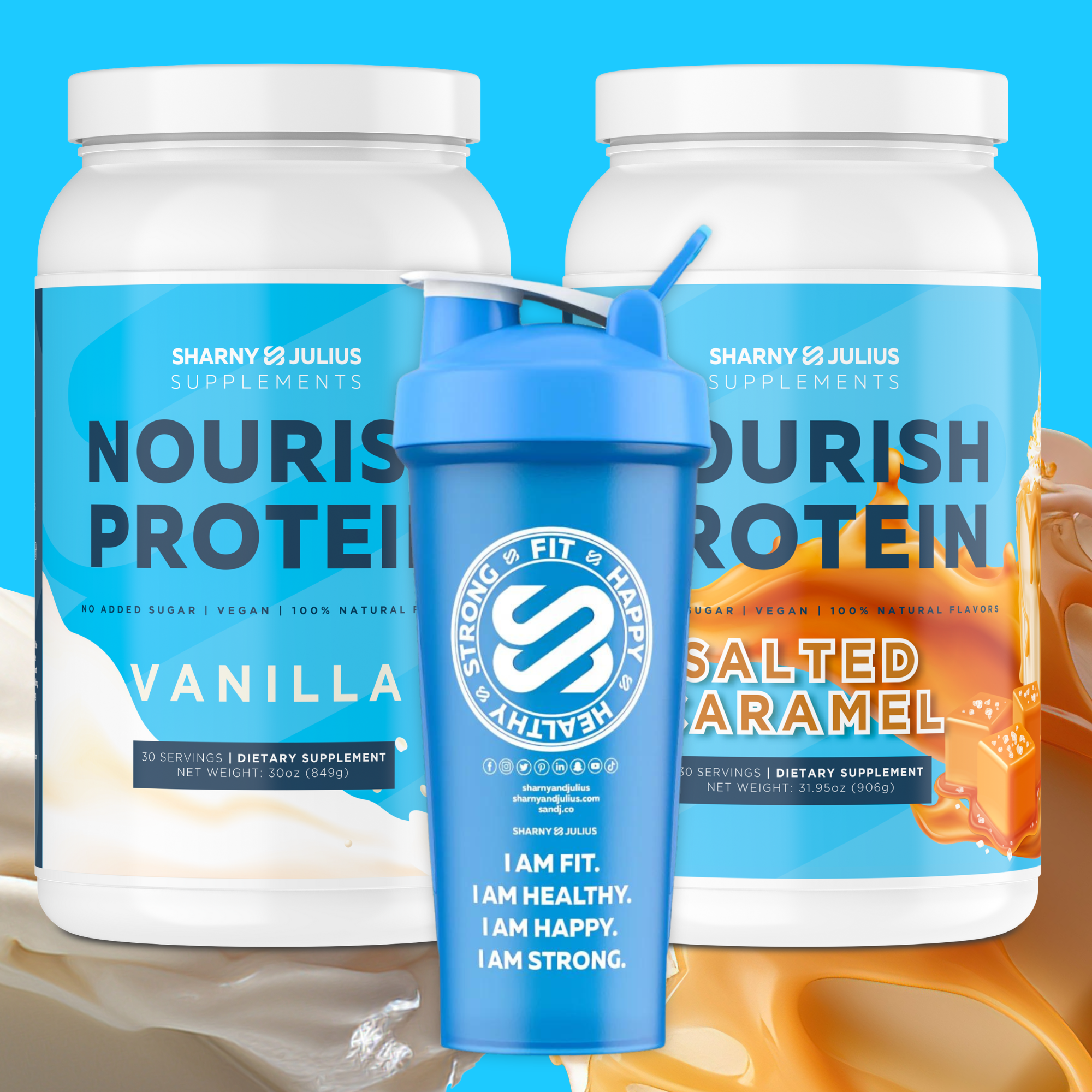
S&J Nourish™ Plant Protein
20g protein · All 9 EAAs · Free from all 9 allergens · NSF Certified
Why Protein Choice Matters for Mast Cell Activation Syndrome
Mast cells are your immune system's first responders, releasing histamine and inflammatory mediators when they detect threats — including certain proteins and additives commonly found in supplements. Many protein powders contain dairy (naturally high in histamine), artificial flavors, preservatives, and fermented ingredients that can trigger degranulation in sensitive individuals. Pea protein isolate offers a unique advantage because it's processed to remove most plant compounds that might activate mast cells, while avoiding the high-histamine profile of aged dairy proteins. According to research published in the International Journal of Molecular Sciences, pea protein demonstrates excellent biocompatibility with minimal inflammatory response compared to dairy-based proteins. The key is finding a formula that eliminates not just obvious triggers like dairy and soy, but also hidden culprits like carrageenan, artificial sweeteners, and "natural" flavoring systems that often contain histamine-releasing compounds. Clean processing and minimal ingredients become essential for maintaining the delicate balance your immune system requires.
What to Look for in a Protein for MCAS Management
1. Choose single-source plant proteins like pea isolate over dairy or multi-ingredient blends that increase trigger potential. 2. Verify the product is free from all major allergens — dairy, gluten, soy, nuts, eggs, fish, shellfish, sesame, and wheat — as cross-contamination can cause reactions. 3. Avoid artificial sweeteners (sucralose, aspartame), gums, fillers, and "natural flavors" which often contain undisclosed histamine-releasing compounds. 4. Look for third-party testing that ensures purity and absence of contaminants that could trigger mast cells. 5. Prioritize formulas with complete amino acid profiles so you're not missing essential nutrients while playing it safe. S&J's S&J Nourish™ plant-based protein delivers exactly this combination — 20g of pure pea protein isolate with all 9 essential amino acids, completely free from all 9 major allergens, and NSF certified for purity. With zero artificial additives and a clean processing method, 97% of customers report zero bloating, making it ideal for sensitive digestive systems that often accompany MCAS.
MCAS Protein Powder FAQ
Can people with MCAS safely use protein powder?
Yes, people with MCAS can safely use protein powder when choosing clean, minimal-ingredient formulas free from common triggers. The key is selecting pea protein isolate or other low-histamine plant proteins that avoid dairy, artificial additives, and fermented ingredients that commonly trigger mast cell degranulation.
What ingredients in protein powder trigger mast cell reactions?
Common triggers include dairy proteins (naturally high in histamine), artificial flavors, preservatives, carrageenan, artificial sweeteners, and fermented ingredients. Many "natural flavors" also contain undisclosed compounds that can activate mast cells, making clean-label products essential for MCAS management.
Is pea protein low histamine and safe for MCAS?
Yes, pea protein isolate is considered low histamine and generally well-tolerated by people with MCAS. Unlike dairy proteins which are naturally high in histamine, pea protein is processed to remove most plant compounds that could trigger reactions, making it one of the safest protein sources for sensitive individuals.
Find Your Protein
Managing MCAS shouldn't mean compromising on nutrition or taste. Nourish™ delivers 20g of complete protein with all 9 essential amino acids, free from dairy, gluten, artificial additives, and known high-histamine ingredients — making it one of the cleanest options available for MCAS sufferers looking to support their health without triggering reactions.
Shop Nourish