


Protein shakes aren't inherently bad for cholesterol, but dairy-based whey proteins can contain saturated fats and cholesterol that may negatively impact heart health in sensitive individuals. Plant-based protein powders like pea protein isolate offer complete amino acid profiles without any dietary cholesterol or saturated fat. The confusion around protein and cholesterol is completely understandable—there's conflicting advice everywhere, from fitness influencers pushing different powders to medical professionals with varying opinions. According to the American Heart Association, dietary cholesterol intake should be limited to 300mg daily for optimal cardiovascular health. You're smart to research this connection before adding any supplement to your routine.
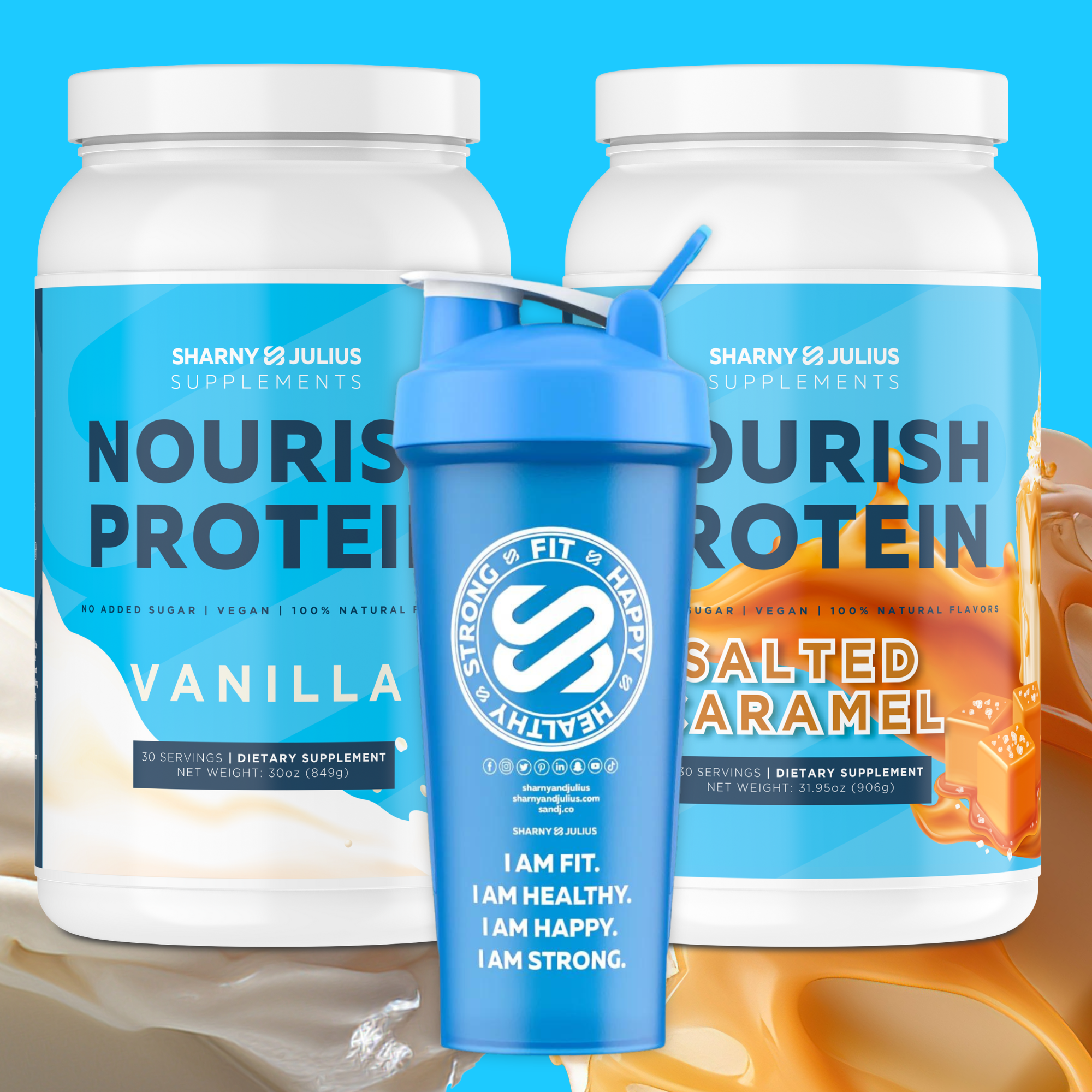
S&J Nourish™ Plant Protein
20g protein · All 9 EAAs · Free from all 9 allergens · NSF Certified
Why Heart Health Matters for Cholesterol-Conscious Adults
When you're managing cholesterol levels, every dietary choice matters—including your protein powder. Whey and casein proteins come from dairy, naturally containing cholesterol and saturated fats that can elevate LDL (bad) cholesterol levels through increased hepatic cholesterol synthesis. Pea protein isolate works differently: it's completely free from dietary cholesterol and saturated fat, while providing all nine essential amino acids your body needs for muscle maintenance and recovery. Research published in the Journal of Nutritional Science shows that plant-based proteins can actually help reduce total cholesterol levels by 5-10% when replacing animal proteins. This creates a unique advantage for cholesterol-conscious adults who want to maintain their fitness goals without compromising cardiovascular health. The key is choosing a clean, complete plant protein that delivers the same muscle-building benefits as whey without the cholesterol concerns.
What to Look for in Protein for Cholesterol Management
Here's what actually matters when selecting a heart-healthy protein powder: 1. Zero dietary cholesterol and saturated fat - Plant-based proteins like pea isolate naturally contain neither 2. Complete amino acid profile - All 9 essential amino acids ensure proper muscle protein synthesis 3. Third-party testing - NSF certification guarantees purity and label accuracy for consistent results 4. Minimal processing - Avoid artificial additives, fillers, and gums that can trigger inflammation 5. Digestive comfort - Look for proteins that don't cause bloating or gastric distress S&J Nourish™ plant-based protein checks every box: 20g of pea protein isolate per serving with all 9 essential amino acids, NSF certified for purity, and completely free from cholesterol, saturated fat, and all 9 major allergens. With 97% of customers reporting zero bloating and a taste that rivals premium whey proteins, it's designed for daily use without compromising your cardiovascular goals.
Heart Health and Protein Powder FAQ
Can protein shakes raise your cholesterol levels?
Dairy-based protein shakes can raise cholesterol levels due to their natural cholesterol and saturated fat content. Whey and casein proteins contain both, which may increase LDL cholesterol in sensitive individuals. Plant-based proteins like pea isolate contain zero dietary cholesterol and can actually help lower cholesterol levels when replacing animal proteins in your diet.
Is plant-based protein better than whey for people with high cholesterol?
Yes, plant-based protein is better for high cholesterol management than whey protein. Plant proteins contain no dietary cholesterol or saturated fat, while studies show they can actively reduce total and LDL cholesterol levels. Pea protein isolate provides the same complete amino acid profile as whey without any cardiovascular risks.
How much protein powder is safe to drink if you have high cholesterol?
Most adults can safely consume 1-2 servings of cholesterol-free plant protein daily (20-40g) as part of a heart-healthy diet. The key is choosing plant-based options like pea protein isolate rather than dairy-based powders. Always consult your healthcare provider about protein intake if you're on cholesterol-lowering medications.
Find Your Protein
Managing cholesterol doesn't mean sacrificing your fitness goals or settling for chalky, incomplete proteins. Nourish™ delivers 20g of complete pea protein isolate with all 9 essential amino acids, zero dietary cholesterol, and NSF certification for purity—making it the ideal daily protein for cardiovascular-conscious adults. Available in smooth Vanilla and rich Salted Caramel flavors that customers compare to premium desserts.
Shop Nourish