


Yes, kids can safely take vitamin C daily, and it's particularly beneficial during school years when they're constantly exposed to germs and their immune systems are still developing. Many parents wonder if supplementation is necessary when children eat fruits and vegetables, but the reality is that consistent daily vitamin C intake helps maintain steady immune protection rather than the ups and downs that come from dietary sources alone. According to the National Health and Nutrition Examination Survey, over 40% of children aged 6-11 have inadequate vitamin C intake from food sources. The challenge isn't just about preventing scurvy anymore—it's about optimising immune function during the most pathogen-heavy years of childhood, when kids are sharing spaces, toys, and unfortunately, viruses in schools and playgrounds.
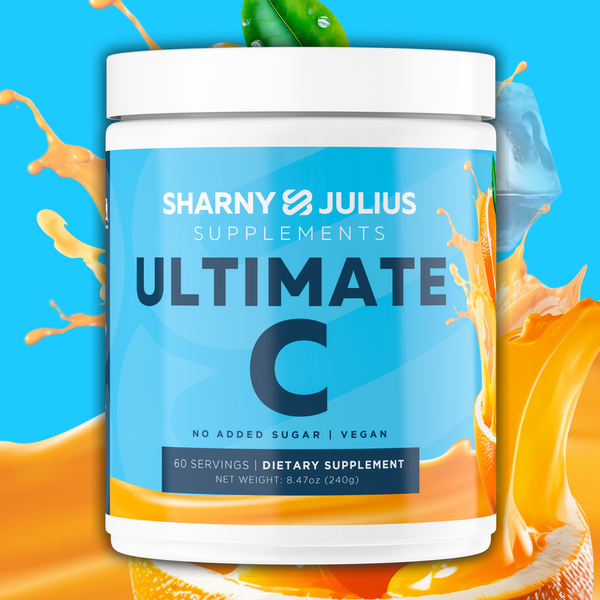
S&J Ultimate C
Triple-form vitamin C · Zero calories · Zero sugar · Family-safe
Why Daily Vitamin C Protection Matters for School-Age Children
Children's immune systems face unprecedented challenges during school years, with constant exposure to respiratory viruses, bacteria, and other pathogens in classroom environments. Unlike adults who can maintain more controlled environments, kids touch surfaces, share supplies, and breathe recycled air for hours daily. Vitamin C works as both a preventive and reactive immune supporter—it strengthens white blood cell function, supports the production of interferon (your body's natural antiviral protein), and acts as a powerful antioxidant that neutralises free radicals created during immune responses. According to the Cochrane Review, while vitamin C doesn't prevent colds in the general population, it does reduce cold duration by 8% in adults and 18% in children when taken regularly. The key is consistency: sporadic high doses are less effective than steady, daily intake that maintains tissue saturation. When vitamin C levels drop—which happens quickly since it's water-soluble—immune function drops with it, leaving kids vulnerable during their most socially active years.
What Actually Works for Supporting Kids' Daily Immune Health
1. Establish consistent timing: Give vitamin C at the same time daily, preferably with breakfast, to create steady blood levels rather than peaks and crashes.
2. Focus on absorption, not just amount: Many children's vitamins provide minimal vitamin C or use harsh forms that cause stomach upset. Look for buffered forms that absorb gently.
3. Combine with zinc: Zinc supports over 300 enzymes involved in immune function and works synergistically with vitamin C for optimal protection.
4. Choose bioavailable forms: S&J Ultimate C provides three forms of vitamin C—ascorbic acid for potency, sodium ascorbate for quick absorption, and calcium ascorbate for stomach comfort—ensuring your child's body actually uses the vitamin rather than eliminating it unused.
5. Enhance with natural cofactors: Citrus bioflavonoids and rosehip extract work as nature's absorption multipliers, extending vitamin C activity and providing additional antioxidants. The natural orange flavour makes daily supplementation easy—kids think they're getting a treat while parents know they're getting protection.
Kids' Daily Vitamin C Questions
Is daily vitamin C necessary for kids?
Daily vitamin C is beneficial for most children, especially those in school environments with high pathogen exposure. While not strictly "necessary" if they eat abundant fresh produce daily, consistent supplementation provides steady immune support that dietary sources alone often can't match due to processing, storage, and inconsistent intake patterns.
Can my child get enough vitamin C from food alone?
Theoretically yes, but practically challenging. Fresh fruits and vegetables lose vitamin C rapidly after harvesting, and many kids don't consistently eat the 5-9 servings needed daily. Supplementation ensures adequate intake regardless of daily dietary variations, particularly during growth spurts when needs increase.
Are there any risks to giving kids vitamin C daily?
Vitamin C is water-soluble and generally very safe for children when given at appropriate doses. The main concern with cheap supplements is stomach upset from harsh ascorbic acid, which is why buffered forms like sodium ascorbate and calcium ascorbate are preferable for daily use.
Upgrade Your Family's Immunity
Stop worrying about whether your kids are getting enough immune support from their inconsistent eating habits. Ultimate C provides triple-form vitamin C with three absorption pathways, enhanced by citrus bioflavonoids and rosehip extract, plus zinc for comprehensive immune support—all with zero sugar, zero calories, and a natural orange flavour that tastes like orange juice, making daily supplementation something your kids will actually look forward to.
Shop Ultimate C