


Sodium ascorbate is a buffered, pH-neutral form of vitamin C that absorbs gently without stomach irritation, while ascorbic acid is the pure, acidic form that provides maximum potency but can cause digestive discomfort in higher doses. The choice between them often comes down to your stomach sensitivity and absorption needs, though combining both forms delivers the benefits of each while minimizing their individual drawbacks.
If you've tried standard vitamin C tablets and experienced stomach upset or questioned whether they're actually working, the form of vitamin C matters more than most people realize. According to the National Institutes of Health, vitamin C absorption decreases significantly as doses increase, with only 50% absorbed at doses of 1,000mg or higher when using single-form supplements.
Understanding these two forms—and why leading formulations now combine them—can transform your vitamin C experience from something that sits in your medicine cabinet to a daily immunity tool that actually delivers results you can feel.
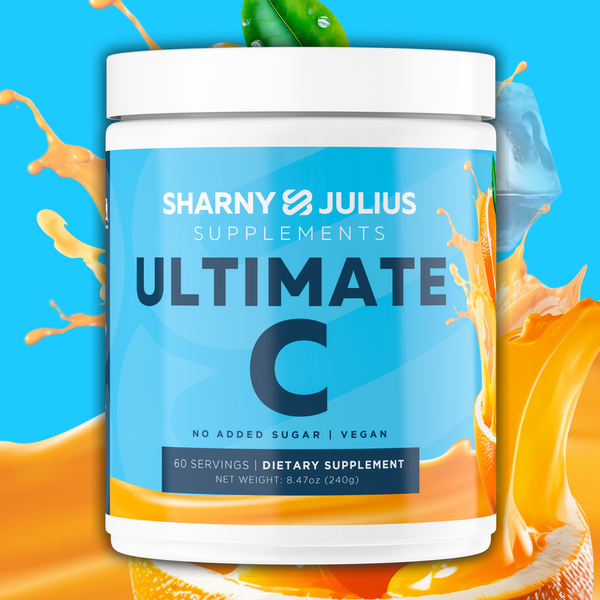
S&J Ultimate C
Triple-form vitamin C · Zero calories · Zero sugar · Family-safe
Why Comparing These Two Vitamin C Forms Affects Your Immunity
Your digestive system handles these two forms completely differently, which directly impacts how much vitamin C actually reaches your bloodstream. Ascorbic acid, being highly acidic with a pH around 2.1, delivers rapid absorption and peak blood levels within 2-4 hours—but this acidity can trigger stomach irritation, especially on an empty stomach or at higher doses. Many people abandon their vitamin C routine after experiencing this discomfort.
Sodium ascorbate, with its neutral pH of 7.5-8.0, bypasses this stomach irritation entirely while providing sustained absorption over a longer period. According to research published in the American Journal of Clinical Nutrition, buffered vitamin C forms like sodium ascorbate maintain more stable blood levels for extended periods compared to ascorbic acid alone. However, sodium ascorbate sacrifices some of the immediate bioavailability that makes ascorbic acid so effective. This is why the most advanced formulations now combine both forms—you get the rapid uptake of ascorbic acid plus the gentle, sustained release of sodium ascorbate, maximizing both immediate and long-term vitamin C availability.
What Actually Works for Choosing the Right Vitamin C Form
Here's how to optimize your vitamin C strategy based on these form differences:
1. Take vitamin C with food if using pure ascorbic acid to buffer its acidity naturally, or choose a buffered form if you experience any stomach discomfort.
2. Split higher doses throughout the day since your body can only absorb limited amounts at once—this works especially well with sustained-release forms like sodium ascorbate.
3. Consider your sodium intake if you have blood pressure concerns, though sodium ascorbate contains minimal sodium (about 131mg per 1000mg of vitamin C).
4. Look for triple-form combinations that include ascorbic acid for potency, sodium ascorbate for gentle absorption, and calcium ascorbate for additional mineral support—this approach maximizes bioavailability while minimizing digestive issues.
5. Choose formulations enhanced with citrus bioflavonoids which act as nature's absorption multipliers, extending vitamin C activity in your body regardless of which form you're using.
S&J Ultimate C combines all three vitamin C forms in one pharmaceutical-grade formula, enhanced with citrus bioflavonoids for superior absorption, rosehip extract for additional natural vitamin C, and zinc for immune enzyme support—all in a zero-sugar, zero-calorie powder that tastes like fresh orange juice.
Vitamin C Forms Comparison FAQ
Is sodium ascorbate better than ascorbic acid?
Neither is universally "better"—they serve different purposes. Sodium ascorbate is gentler on the stomach and provides sustained absorption, while ascorbic acid offers maximum potency and rapid bioavailability. The most effective approach combines both forms for comprehensive vitamin C delivery.
Does sodium ascorbate contain a lot of sodium?
No, sodium ascorbate contains relatively small amounts of sodium—approximately 131mg per 1000mg of vitamin C. This is roughly equivalent to the sodium in a slice of bread, making it suitable for most people monitoring their sodium intake.
Which vitamin C form causes less stomach upset?
Sodium ascorbate and calcium ascorbate cause significantly less stomach upset than ascorbic acid because they're buffered to a neutral pH. Pure ascorbic acid is highly acidic and more likely to cause digestive discomfort, especially at higher doses or on an empty stomach.
Upgrade Your Immunity
Stop choosing between gentle absorption and maximum potency—Ultimate C delivers both through its triple-form vitamin C blend, enhanced with citrus bioflavonoids for superior bioavailability and rosehip extract for additional immune support. One scoop daily provides comprehensive vitamin C coverage that actually absorbs and works, with zero sugar, zero calories, and a natural orange flavour your whole family will love.
Shop Ultimate C