


Moderate vitamin C supplementation within recommended daily limits does not significantly increase kidney stone risk for most healthy individuals. The concern stems from vitamin C's conversion to oxalate in the body, but studies show this occurs primarily at extremely high doses exceeding 2000mg daily. Quality matters tremendously—buffered forms of vitamin C like sodium ascorbate and calcium ascorbate produce less oxalate than pure ascorbic acid supplements at high concentrations. According to the National Kidney Foundation, only about 10-15% of kidney stones are caused by high oxalate levels, with most stones forming due to dehydration and other dietary factors rather than vitamin C intake.
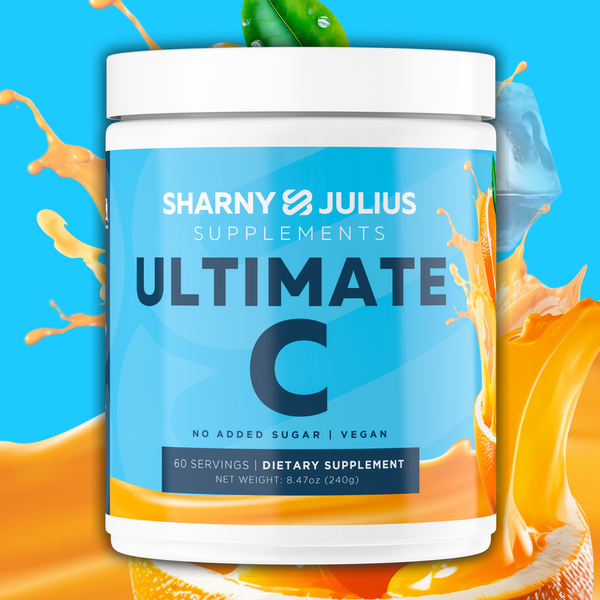
S&J Ultimate C
Triple-form vitamin C · Zero calories · Zero sugar · Family-safe
Why Kidney Stone Concerns Affect Your Immunity Decisions
Many people avoid vitamin C supplements entirely due to kidney stone fears, leaving their immune system vulnerable during critical times. This hesitation often stems from outdated research on mega-dosing or experiences with cheap ascorbic acid tablets that can irritate the digestive system. The biological reality is that vitamin C conversion to oxalate becomes problematic only at doses far exceeding normal supplementation levels—typically above 2000-3000mg daily. According to Harvard Health Publishing, people who consume 1000mg or less of vitamin C daily show no increased kidney stone risk compared to those taking minimal amounts. The form of vitamin C matters significantly: buffered varieties like sodium ascorbate and calcium ascorbate are gentler on both the digestive system and kidney processing pathways. Meanwhile, avoiding adequate vitamin C intake weakens immune function precisely when you need it most—during stress, illness, or seasonal challenges.
What Actually Works for Safe Vitamin C Supplementation
1. Stay within 500-1000mg daily unless specifically advised otherwise by your healthcare provider—this range provides immune benefits without kidney concerns.
2. Choose buffered forms like sodium ascorbate and calcium ascorbate over pure ascorbic acid, as these produce less oxalate conversion in the body.
3. Maintain proper hydration—drink at least 8 glasses of water daily to support kidney function and prevent any mineral concentrations from building up.
4. Opt for triple-form vitamin C that combines ascorbic acid for potency, sodium ascorbate for gentle absorption, and calcium ascorbate for stomach comfort—this provides multiple absorption pathways while minimizing oxalate production.
5. Enhance absorption naturally with citrus bioflavonoids and rosehip extract, allowing your body to use smaller amounts more effectively, plus zinc to support the 300+ enzymes your immune system needs to function optimally.
Kidney Stone and Vitamin C Safety FAQ
Does vitamin C cause kidney stones?
No, vitamin C within normal supplementation ranges (500-1000mg daily) does not cause kidney stones in healthy individuals. Only extremely high doses exceeding 2000mg daily may increase oxalate production, and even then, kidney stones form primarily due to dehydration and other factors.
How much vitamin C is safe for kidneys?
Up to 1000mg daily is considered safe for kidney health in most people. This amount provides excellent immune support without significantly increasing oxalate levels. Those with kidney stone history should consult their healthcare provider and may benefit from staying below 500mg daily.
Should I avoid vitamin C if I have had kidney stones?
No, you shouldn't avoid vitamin C entirely, but work with your doctor to determine appropriate dosing. Most people with kidney stone history can safely take 250-500mg daily, especially using buffered forms like sodium ascorbate that produce less oxalate than pure ascorbic acid.
Upgrade Your Immunity
Don't let kidney stone concerns leave your immune system unprotected. S&J Ultimate C's triple-form vitamin C delivers ascorbic acid for potency, sodium ascorbate for gentle absorption, and calcium ascorbate for stomach comfort—enhanced with citrus bioflavonoids and rosehip extract, plus immune-supporting zinc, all in a zero-sugar, natural orange flavour your whole family will love. Those with kidney stone history should stay below 1000mg daily and consult their healthcare provider.
Shop Ultimate C