


Vitamin C acts as a powerful antioxidant that neutralizes free radicals generated by UV radiation, helping protect your skin from photoaging and cellular damage during sun exposure. When you spend time in the sun, UV rays trigger oxidative stress that depletes your body's natural vitamin C stores faster than usual. According to the Journal of Investigative Dermatology, UV exposure can reduce skin vitamin C levels by up to 30% within hours of sun exposure. This is why many people notice their skin looking dull or feeling more sensitive after beach days or outdoor activities, even when using sunscreen. Your body is literally burning through its antioxidant reserves to combat UV-induced damage. The challenge is that most vitamin C supplements use only ascorbic acid, which can cause stomach upset and has limited absorption — exactly when your skin needs maximum antioxidant protection.
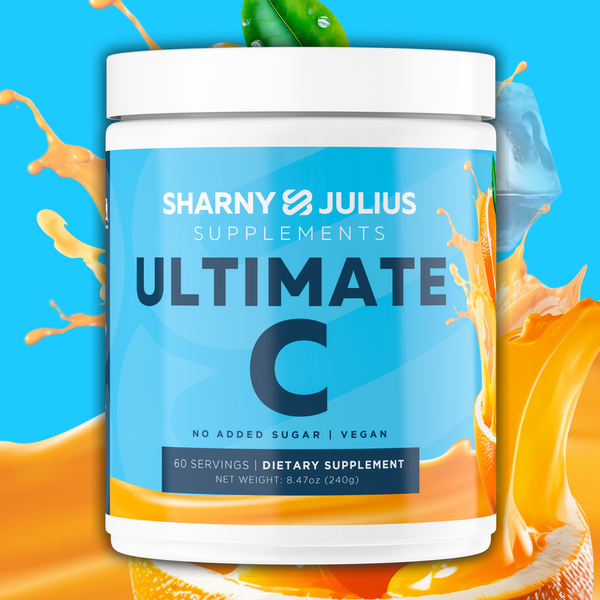
S&J Ultimate C
Triple-form vitamin C · Zero calories · Zero sugar · Family-safe
Why Spending Significant Time in the Sun Affects Your Immunity
UV radiation generates reactive oxygen species (free radicals) that attack cellular structures including DNA, proteins, and lipids in your skin cells. Vitamin C acts as your body's frontline defense, donating electrons to neutralize these damaging molecules before they can cause photoaging and cellular damage. However, this protective process rapidly depletes vitamin C stores — your skin literally uses up its antioxidant reserves to shield itself from UV damage. According to the American Journal of Clinical Nutrition, people with higher vitamin C levels show significantly less skin damage from equivalent sun exposure compared to those with lower levels. When your vitamin C stores run low, you lose this protective buffer, leaving your skin more vulnerable to premature aging, hyperpigmentation, and cellular damage. This depletion also impacts your overall immune function, as vitamin C supports white blood cell production and activity. The more time you spend outdoors, the greater this antioxidant demand becomes, making adequate vitamin C intake crucial for both immediate skin protection and long-term skin health.
What Actually Works for Skin Health During Sun Exposure
1. Time your vitamin C intake strategically — take it before and after sun exposure to maximize antioxidant protection when your skin needs it most. 2. Combine internal and external protection — vitamin C supplements work from the inside out while sunscreen provides surface protection; both are essential for comprehensive skin defense. 3. Stay hydrated with electrolytes — UV exposure increases fluid loss and oxidative stress, requiring both hydration and antioxidant replenishment. 4. Choose a triple-form vitamin C supplement — S&J Ultimate C combines ascorbic acid for potency, sodium ascorbate for gentle absorption, and calcium ascorbate for stomach comfort, ensuring maximum bioavailability when your skin needs protection most. 5. Look for enhanced absorption factors — citrus bioflavonoids in Ultimate C extend vitamin C activity in your body, while rosehip extract provides additional natural vitamin C plus skin-supporting antioxidants. The zinc content supports immune cell function and wound healing, crucial for skin repair after sun exposure. One scoop daily provides clinically meaningful amounts in a natural orange flavor that tastes like orange juice, with zero sugar and zero calories.
Skin Health and Sun Exposure FAQ
Does vitamin C protect against sun damage?
Yes, vitamin C provides internal antioxidant protection by neutralizing UV-generated free radicals that cause photoaging and cellular damage. However, vitamin C supplements complement but cannot replace sunscreen — you need both internal antioxidant support and external UV protection for comprehensive skin defense.
Should I take vitamin C if I am in the sun a lot?
Absolutely — frequent sun exposure rapidly depletes your body's vitamin C stores as it works to neutralize UV-induced free radicals. People who spend significant time outdoors have higher antioxidant demands and benefit from consistent vitamin C supplementation to maintain protective levels.
Can vitamin C prevent sunburn?
Vitamin C cannot prevent sunburn — only proper sunscreen application and sun avoidance can block UV radiation. However, adequate vitamin C levels help your skin better cope with oxidative stress from sun exposure and support faster healing and repair processes.
Upgrade Your Immunity
When you're spending time in the sun, your skin deserves the most bioavailable antioxidant protection available. Ultimate C's triple-form vitamin C provides three different absorption pathways enhanced by citrus bioflavonoids and rosehip extract, plus zinc for immune support — all with zero sugar, zero calories, and a natural orange flavor that tastes like orange juice.
Shop Ultimate C