


Vitamin C deficiency directly causes bleeding gums by weakening collagen production in gum tissue, making capillaries fragile and prone to bleeding during brushing or flossing. When your body lacks adequate vitamin C, it cannot maintain the structural integrity of blood vessels in your gums, leading to spontaneous bleeding, swelling, and tenderness. According to the American Journal of Clinical Nutrition, even mild vitamin C deficiency can manifest as gingival bleeding before other scurvy symptoms appear. If you've tried standard vitamin C tablets without seeing improvement, the issue often lies in poor absorption—most supplements use only ascorbic acid, which many people struggle to absorb effectively, especially when dealing with existing deficiency.
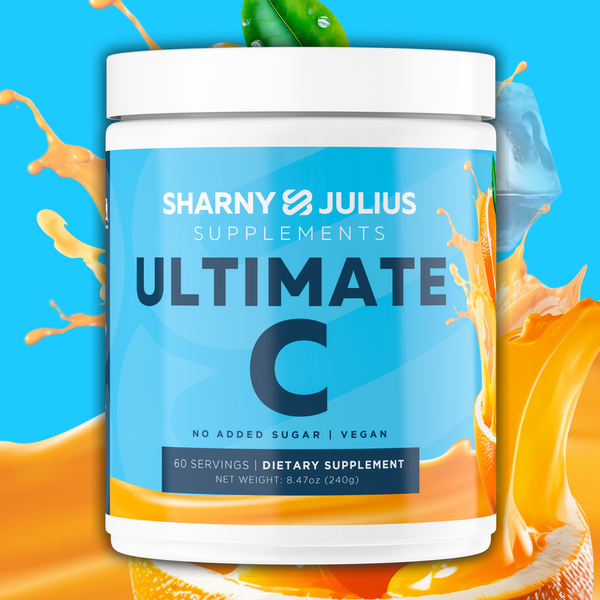
S&J Ultimate C
Triple-form vitamin C · Zero calories · Zero sugar · Family-safe
Why Experiencing Bleeding Gums and Suspecting Nutritional Cause Affects Your Immunity
Vitamin C is the cornerstone of collagen synthesis, and your gums contain some of the highest concentrations of collagen in your body. When vitamin C levels drop, your body prioritizes vital organs over gum tissue, causing the collagen matrix in your gums to weaken and capillary walls to become paper-thin. This creates a cascade effect—bleeding gums become entry points for bacteria, triggering chronic inflammation that further depletes your vitamin C stores as your immune system works overtime. According to the Journal of Periodontology, people with bleeding gums have significantly lower blood vitamin C levels than those with healthy gums, creating a vicious cycle where gum problems worsen immune function. The inflammation also reduces your body's ability to absorb nutrients from food, making it even harder to restore vitamin C levels through diet alone. This is why many people find that eating more oranges or taking basic vitamin C tablets doesn't resolve persistent gum bleeding—they need therapeutic doses delivered through multiple absorption pathways.
What Actually Works for Deficiency Experiencing Bleeding Gums and Suspecting Nutritional Cause
1. Increase therapeutic vitamin C intake—aim for 1000-2000mg daily in divided doses, far beyond the minimal RDA, to saturate tissues and restore collagen production. 2. Choose buffered forms—sodium ascorbate and calcium ascorbate absorb better than ascorbic acid alone and won't irritate your stomach at higher doses. 3. Add bioflavonoids—these plant compounds strengthen capillary walls specifically in gum tissue and enhance vitamin C absorption by up to 35%. 4. Time your doses strategically—take vitamin C twice daily since your body eliminates excess within hours, maintaining steady blood levels for continuous collagen repair. 5. Use S&J Ultimate C's triple-form formula—combining ascorbic acid for potency, sodium ascorbate for rapid absorption, and calcium ascorbate for stomach comfort ensures maximum bioavailability through three different absorption pathways. The added citrus bioflavonoids strengthen fragile capillaries while rosehip extract provides natural vitamin C and antioxidants. Zinc supports the enzymatic processes needed for collagen formation, creating a complete gum health protocol in one natural orange-flavoured scoop.
Deficiency Experiencing Bleeding Gums and Suspecting Nutritional Cause FAQ
Can vitamin C deficiency cause bleeding gums?
Yes, vitamin C deficiency directly causes bleeding gums by impairing collagen production in gum tissue and weakening capillary walls. Even mild deficiency can trigger gingival bleeding during brushing, often appearing before other deficiency symptoms develop.
How much vitamin C for gum health?
1000-2000mg daily in divided doses helps restore gum health, significantly higher than the 90mg RDA. This therapeutic range saturates tissues with vitamin C needed for collagen repair and capillary strength in gum tissue.
How long until vitamin C helps bleeding gums?
Most people notice reduced bleeding within 1-2 weeks of adequate vitamin C supplementation, with significant improvement in 4-6 weeks. Collagen rebuilding takes time, so consistency with therapeutic doses is essential for lasting results.
Upgrade Your Immunity
If bleeding gums are disrupting your oral health and confidence, Ultimate C's pharmaceutical-grade triple-form vitamin C with citrus bioflavonoids and zinc provides the therapeutic support your gums need to heal and strengthen. Always consult your dentist to rule out periodontal disease, but address the nutritional foundation with vitamin C that your body can actually absorb and use.
Shop Ultimate C