


Vitamin C deficiency significantly weakens immune function by impairing neutrophil and lymphocyte activity, leaving you vulnerable to frequent infections. Even mild vitamin C insufficiency reduces your white blood cells' ability to respond effectively to pathogens, creating a cycle where you catch illnesses more easily and recover more slowly. According to the American Journal of Clinical Nutrition, vitamin C deficiency can reduce immune cell function by up to 40%, explaining why you might find yourself constantly battling colds, feeling run down, or taking longer to bounce back from illness. The frustrating reality is that many people experiencing frequent illness are unknowingly dealing with suboptimal vitamin C levels that standard blood tests might not even flag as deficient.
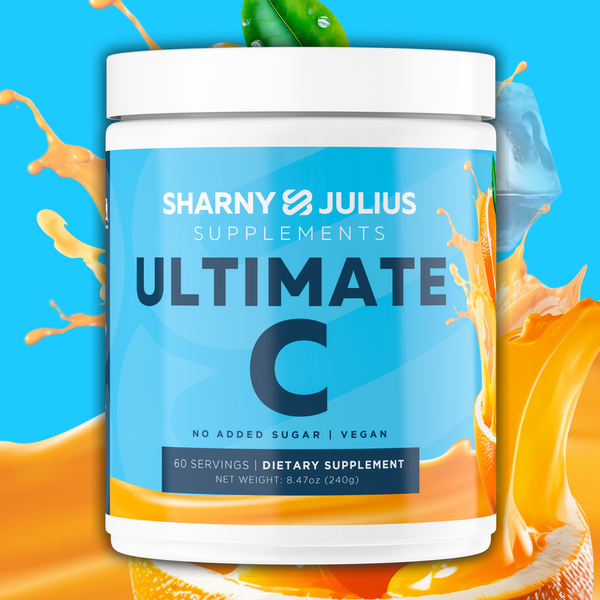
S&J Ultimate C
Triple-form vitamin C · Zero calories · Zero sugar · Family-safe
Why Being Frequently Ill Points to Vitamin C Deficiency
When you're constantly fighting infections, your vitamin C stores become rapidly depleted because immune cells consume massive amounts during the inflammatory response. Neutrophils—your body's first-line defenders—require vitamin C to produce reactive oxygen species that destroy pathogens. Without adequate levels, these immune cells become sluggish and ineffective. Lymphocytes, which coordinate your adaptive immune response, also depend heavily on vitamin C for proper function and proliferation. According to research published in Nutrients journal, people with recurrent respiratory infections show significantly lower vitamin C levels than healthy individuals, often hovering in the "insufficient" range rather than outright deficiency. This creates a vicious cycle: frequent illness depletes vitamin C, which weakens immunity, leading to more frequent illness. The problem compounds when zinc levels are also low, as these nutrients work synergistically to support over 300 immune-related enzymes.
What Actually Works for Vitamin C Deficiency and Immune Weakness
1. Increase vitamin C-rich foods daily — citrus fruits, bell peppers, broccoli, and strawberries, but recognize that food alone may not restore depleted levels quickly enough. 2. Address underlying stressors — chronic stress, poor sleep, and overtraining all accelerate vitamin C depletion, so prioritizing recovery is essential. 3. Time supplementation strategically — take vitamin C with meals to enhance absorption and consider splitting doses throughout the day for sustained levels. 4. Choose a triple-form vitamin C supplement — S&J Ultimate C combines ascorbic acid for potency, sodium ascorbate for quick absorption without stomach irritation, and calcium ascorbate for gentle sustained release, creating three different absorption pathways. 5. Look for enhanced absorption factors — Ultimate C includes citrus bioflavonoids that multiply vitamin C absorption and extend its activity, plus rosehip extract for additional natural vitamin C and zinc to support the 300+ immune enzymes your body needs. One scoop daily in water delivers clinically meaningful amounts in a natural orange flavour that tastes like orange juice, with zero calories and zero sugar.
Vitamin C Deficiency and Immune Weakness FAQ
Does low vitamin C weaken your immune system?
Yes, low vitamin C significantly weakens immune function by impairing neutrophil and lymphocyte activity. These white blood cells require vitamin C to produce the reactive oxygen species needed to destroy pathogens and coordinate immune responses effectively.
How quickly does vitamin C improve immunity when deficient?
Immune improvements typically appear within 1-2 weeks of correcting vitamin C deficiency with adequate supplementation. Neutrophil function begins recovering within days, while lymphocyte activity and overall resistance to infection improve progressively over the first two weeks.
What level of vitamin C causes immune problems?
Immune problems begin when vitamin C levels drop below 50 μmol/L in blood plasma, well above the clinical deficiency threshold. Many people experiencing frequent illness have levels in the 30-50 μmol/L range, technically "insufficient" rather than deficient but still compromising immunity.
Upgrade Your Immunity
If you're tired of constantly fighting off infections and suspect vitamin C deficiency is weakening your immune system, Ultimate C's triple-form formula provides three absorption pathways enhanced by citrus bioflavonoids and rosehip extract, plus immune-supporting zinc—all in a natural orange flavour that tastes like orange juice with zero sugar and zero calories. Most people notice stronger immunity within 1-2 weeks of consistent use.
Shop Ultimate C