


Vitamin C deficiency in elderly people is significantly more common than in younger adults due to reduced dietary intake, decreased absorption, and age-related changes in metabolism. According to the National Health and Nutrition Examination Survey, adults over 65 have vitamin C intake levels 20-30% lower than recommended, with up to 15% showing biochemical deficiency markers. This isn't just about eating more citrus fruits — aging digestive systems struggle to absorb traditional vitamin C supplements effectively. The acidic nature of most vitamin C tablets can cause stomach upset in older adults, leading to poor compliance and continued deficiency. Understanding why conventional approaches fall short helps explain why your elderly family member might need a more sophisticated solution than standard ascorbic acid tablets.
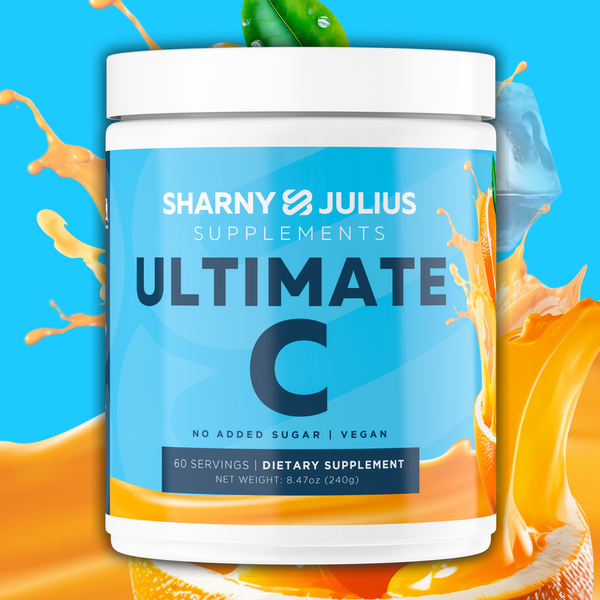
S&J Ultimate C
Triple-form vitamin C · Zero calories · Zero sugar · Family-safe
Why Vitamin C Deficiency Affects Elderly Immunity More Severely
As we age, stomach acid production decreases by up to 40%, making it harder to absorb nutrients including vitamin C. This creates a perfect storm: elderly people often eat less fresh fruit, their digestive systems absorb less vitamin C from food, and their immune systems need more antioxidant support to function optimally. According to the Journal of Nutrition, Health & Aging, elderly individuals with low vitamin C status show significantly impaired immune responses and slower wound healing. The problem compounds because traditional vitamin C supplements use only ascorbic acid, which requires optimal stomach conditions for absorption — exactly what many elderly people lack. When vitamin C isn't properly absorbed, it passes through unused, leaving seniors vulnerable to infections, fatigue, and poor recovery from illness. This explains why your elderly family member might take vitamin C tablets daily but still experience frequent colds or slow healing.
What Actually Works for Elderly Vitamin C Deficiency
1. Focus on buffered forms: Choose vitamin C supplements that include sodium ascorbate and calcium ascorbate alongside ascorbic acid — these gentler forms absorb better in low-acid digestive environments.
2. Take with enhancers: Citrus bioflavonoids significantly improve vitamin C absorption and extend its activity in the body, making each dose more effective.
3. Address zinc deficiency: Most elderly people are also zinc-deficient, which impairs taste, appetite, and immune function — choose supplements that include both nutrients.
4. Choose liquid over tablets: Powdered vitamin C mixed with water absorbs faster and causes less stomach irritation than hard tablets.
5. Use therapeutic doses: S&J Ultimate C provides triple-form vitamin C (ascorbic acid for potency, sodium ascorbate for quick absorption, calcium ascorbate for stomach comfort) enhanced with citrus bioflavonoids and rosehip extract. The natural orange flavour tastes like orange juice, making daily compliance easy for elderly family members who often struggle with large pills or unpleasant supplements.
Elderly Vitamin C Deficiency FAQ
Why are older people more likely to be vitamin C deficient?
Older adults produce less stomach acid, eat fewer vitamin C-rich foods, and have reduced absorption capacity. Age-related changes in digestion mean traditional vitamin C supplements often pass through unused, creating deficiency even when supplements are taken regularly.
How much vitamin C should elderly people take?
Elderly adults should aim for 90-120mg daily, higher than younger adults due to absorption issues. One scoop of a well-formulated vitamin C supplement daily, increasing to two scoops during illness or stress periods, provides optimal support.
What are signs of vitamin C deficiency in seniors?
Common signs include frequent infections, slow wound healing, fatigue, joint pain, and easy bruising. Severe deficiency can cause bleeding gums, loose teeth, and muscle weakness — symptoms often mistakenly attributed to normal aging.
Upgrade Your Family's Immunity
If you're concerned about vitamin C deficiency in an elderly family member, Ultimate C's triple-form formula with three absorption pathways ensures maximum uptake even in compromised digestive systems. Enhanced with citrus bioflavonoids and zinc, plus zero sugar and natural orange flavour that tastes like orange juice — finally, a vitamin C supplement the whole family will actually take consistently.
Shop Ultimate C