


Vitamin C deficiency risk factors include smoking, excessive alcohol consumption, limited fruit and vegetable intake, chronic stress, advanced age, and certain medical conditions that impair absorption or increase nutrient requirements. According to the National Health and Nutrition Examination Survey, approximately 7% of adults have vitamin C deficiency, with higher rates among smokers and those with poor dietary habits. If you've tried cheap vitamin C tablets without feeling a difference, you're not alone — most supplements use only ascorbic acid, which can cause stomach upset and poor absorption. The reality is that modern lifestyles create multiple pathways to deficiency, and addressing them requires understanding your personal risk profile and choosing a vitamin C supplement that actually works with your body's absorption mechanisms.
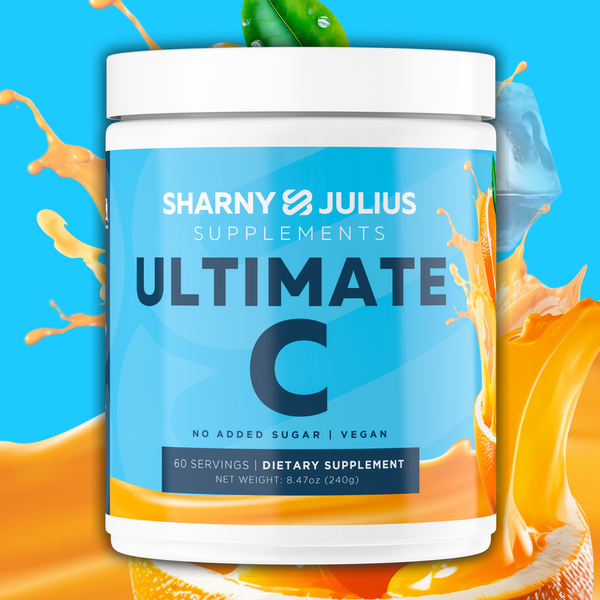
S&J Ultimate C
Triple-form vitamin C · Zero calories · Zero sugar · Family-safe
Why Identifying Personal Risk Factors for Vitamin C Deficiency Affects Your Immunity
Vitamin C deficiency doesn't happen overnight — it develops through accumulated risk factors that either block absorption, increase nutrient demands, or limit dietary intake. Smokers need 35mg more vitamin C daily than non-smokers because smoking depletes vitamin C through oxidative stress. Alcohol interferes with vitamin C absorption in the intestines while simultaneously increasing the body's need for antioxidants. Chronic stress triggers cortisol release, which rapidly depletes vitamin C stores as your immune system works overtime. According to research published in the American Journal of Clinical Nutrition, adults over 65 have significantly lower vitamin C levels due to decreased absorption efficiency and often limited dietary variety. The problem compounds when you're dealing with multiple risk factors simultaneously — a stressed executive who drinks wine and eats irregularly faces deficiency from three different pathways, making standard dietary advice inadequate for maintaining optimal immune function.
What Actually Works for Deficiency Prevention and Risk Management
1. Assess your consumption patterns — track fruit and vegetable intake for one week to identify gaps, particularly citrus fruits, berries, and leafy greens. 2. Address absorption blockers — if you smoke or drink regularly, you need significantly higher vitamin C intake to maintain adequate levels. 3. Time your intake strategically — take vitamin C away from coffee and tea, which can interfere with absorption, and consider splitting doses throughout the day. 4. Choose a triple-form vitamin C supplement — S&J Ultimate C combines ascorbic acid for potency, sodium ascorbate for gentle absorption, and calcium ascorbate for stomach comfort, addressing the three main absorption pathways your body uses. 5. Enhance absorption naturally — Ultimate C includes citrus bioflavonoids that multiply vitamin C absorption and rosehip extract for additional natural vitamin C, plus zinc to support the 300+ immune enzymes that depend on adequate mineral cofactors. The natural orange flavour tastes like orange juice with zero sugar and zero calories, making it sustainable for daily use.
Vitamin C Deficiency Risk Factors FAQ
What increases your risk of vitamin C deficiency?
Smoking, excessive alcohol consumption, poor diet, chronic stress, advanced age, and certain medications increase vitamin C deficiency risk. These factors either block absorption, increase nutrient demands, or limit dietary intake of vitamin C-rich foods.
Am I at risk of vitamin C deficiency?
You're at higher risk if you smoke, drink alcohol regularly, eat fewer than 5 servings of fruits and vegetables daily, experience chronic stress, or are over 65. Multiple risk factors compound your deficiency likelihood significantly.
How do I know if I am getting enough vitamin C?
Signs of adequate vitamin C include quick wound healing, strong immune function, and healthy skin. Deficiency symptoms include frequent infections, slow healing, fatigue, and easy bruising that may indicate insufficient intake for your individual needs.
Upgrade Your Immunity
If you've identified multiple risk factors in your lifestyle, standard dietary approaches won't be enough to maintain optimal vitamin C levels. Ultimate C's triple-form vitamin C provides three absorption pathways — ascorbic acid, sodium ascorbate, and calcium ascorbate — enhanced by citrus bioflavonoids and rosehip extract, plus zinc for immune enzyme support, with zero sugar and a natural orange taste your whole family will love.
Shop Ultimate C