


Vitamin C is essential for collagen production because it acts as a cofactor in the enzymatic reactions that create stable collagen fibres, specifically enabling the hydroxylation of proline and lysine amino acids that form collagen's triple-helix structure. Without adequate vitamin C, your body simply cannot manufacture quality collagen, leading to weakened skin structure, slower healing, and visible signs of aging. According to the American Journal of Clinical Nutrition, collagen synthesis decreases by approximately 1% per year after age 25, making consistent vitamin C intake crucial for maintaining skin elasticity and firmness. The challenge isn't just getting enough vitamin C—it's ensuring your body can actually absorb and utilise it effectively, which many single-form supplements fail to achieve.
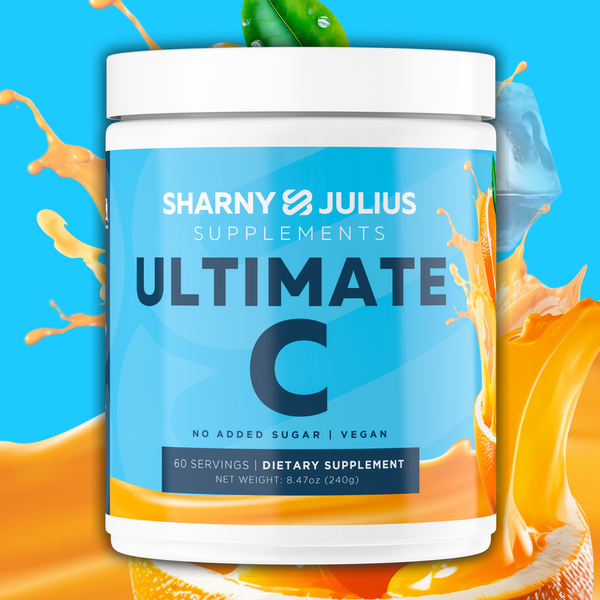
S&J Ultimate C
Triple-form vitamin C · Zero calories · Zero sugar · Family-safe
Why Wanting to Boost Collagen for Better Skin Affects Your Immunity
When you're focused on collagen production for skin health, you're essentially asking your immune system to work overtime in tissue repair and regeneration. Collagen synthesis is an active immune function—your body treats skin renewal as a continuous healing process that requires substantial vitamin C reserves. The hydroxylation reactions that create stable collagen chains consume vitamin C rapidly, and if you're depleting these reserves for skin health, you may inadvertently compromise your broader immune defenses. According to research published in Nutrients journal, optimal collagen synthesis requires vitamin C blood levels of at least 50 micromoles per liter, yet most people maintain levels well below this threshold. This creates a biological competition where your skin improvement goals directly compete with immune function. Additionally, factors that accelerate collagen breakdown—UV exposure, stress, pollution—simultaneously increase your vitamin C requirements, creating a cycle where better skin demands increasingly robust immune support.
What Actually Works for Skin Health When Wanting to Boost Collagen
1. Time your vitamin C intake strategically—take it in the morning when cortisol naturally peaks and collagen synthesis begins, ensuring maximum absorption for the day's repair processes. 2. Combine vitamin C with zinc—zinc acts as a cofactor for over 300 enzymes involved in protein synthesis and wound healing, amplifying collagen production pathways. 3. Focus on sustained absorption—single-dose, high-potency vitamin C supplements often result in rapid excretion, wasting the majority of the dose and creating gaps in collagen support. 4. Choose triple-form vitamin C blends—S&J Ultimate C combines ascorbic acid for potency, sodium ascorbate for rapid absorption, and calcium ascorbate for sustained release, ensuring continuous collagen cofactor availability throughout the day. 5. Enhance absorption with bioflavonoids—Ultimate C includes citrus bioflavonoids that act as nature's absorption multiplier, extending vitamin C activity while rosehip extract provides additional natural vitamin C plus vitamin A for skin cell renewal alongside collagen synthesis.
Skin Health and Collagen Production FAQ
Does vitamin C actually boost collagen?
Yes, vitamin C directly enables collagen production by serving as an essential cofactor for prolyl and lysyl hydroxylase enzymes. Without adequate vitamin C, these enzymes cannot function, preventing the formation of stable collagen triple-helix structures that give skin its strength and elasticity.
How much vitamin C do you need for collagen?
Research suggests 500-1000mg daily for optimal collagen synthesis, significantly higher than basic RDA requirements. One scoop of Ultimate C provides clinically meaningful amounts in a triple-form blend for maximum absorption and sustained collagen cofactor availability.
Can vitamin C reverse wrinkles?
Vitamin C supports new collagen formation which can improve skin firmness and reduce fine lines over time, but cannot reverse deep wrinkles. Consistent intake produces visible skin improvements within 4-8 weeks by supporting the natural collagen renewal process.
Upgrade Your Immunity
If you're serious about collagen production for better skin, you need vitamin C that your body can actually use. Ultimate C's triple-form blend delivers ascorbic acid, sodium ascorbate, and calcium ascorbate for three distinct absorption pathways, enhanced by citrus bioflavonoids and rosehip extract, plus zinc for immune enzyme support—all in a zero-sugar, zero-calorie formula that tastes like orange juice.
Shop Ultimate C