


Hikers need 2-3 times more vitamin C than sedentary individuals due to increased oxidative stress from sustained physical activity, altitude exposure, and immune challenges from wilderness environments. The combination of physical exertion, UV exposure at elevation, and reduced access to fresh foods creates a perfect storm for vitamin C depletion. According to the International Journal of Sport Nutrition, endurance athletes can experience up to 40% higher vitamin C requirements during periods of intense training or competition. Unfortunately, most hikers rely on basic ascorbic acid tablets that cause stomach upset on an empty stomach or don't absorb effectively during physical stress, leaving them vulnerable to fatigue, slower recovery, and increased susceptibility to illness on multi-day treks.
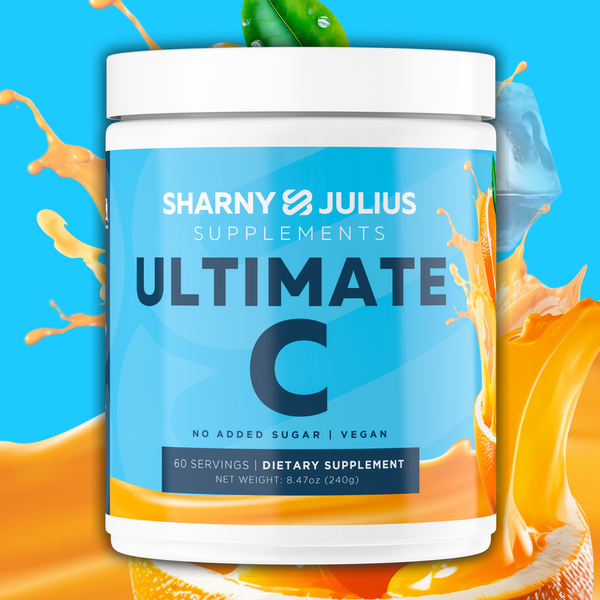
S&J Ultimate C
Triple-form vitamin C · Zero calories · Zero sugar · Family-safe
Why Preparing for Hiking and Outdoor Activity Affects Your Vitamin C Needs
Your vitamin C demands skyrocket during hiking for three critical reasons. First, sustained physical activity at altitude increases oxidative stress exponentially — your muscles generate more free radicals that vitamin C must neutralise to prevent cellular damage and maintain performance. Second, altitude reduces oxygen availability, forcing your body to work harder and requiring more antioxidant protection. Third, vitamin C is essential for collagen synthesis in tendons, ligaments, and blood vessels — structures under constant stress during long hikes with heavy packs. According to research published in Free Radical Biology and Medicine, plasma vitamin C levels can drop by 30-50% during prolonged endurance exercise. Meanwhile, your immune system faces additional challenges from temperature fluctuations, dehydration, sleep disruption in unfamiliar environments, and exposure to new pathogens. This creates a cascade effect where inadequate vitamin C leads to compromised connective tissue repair, increased injury risk, and weakened immune defenses precisely when you need them most.
What Actually Works for Travel-Health Preparing for Hiking
1. Start supplementing 2-3 weeks before your trip to build tissue saturation levels that can withstand depletion during physical stress. 2. Pack lightweight, water-soluble vitamin C that won't add bulk to your pack or require refrigeration like fresh fruits. 3. Take vitamin C with meals or mixed with electrolytes to enhance absorption and reduce stomach irritation during physical activity. 4. Choose a triple-form vitamin C blend like S&J Ultimate C that combines ascorbic acid for potency, sodium ascorbate for rapid absorption without stomach upset, and calcium ascorbate for sustained release — giving you three absorption pathways instead of relying on a single form that may not work during physical stress. 5. Look for enhanced formulations with citrus bioflavonoids that act as nature's absorption multiplier, extending vitamin C activity in your body, plus rosehip extract for additional natural vitamin C and skin protection from UV exposure. The zinc in Ultimate C supports over 300 enzymatic processes crucial for immune function and tissue repair, while the zero-calorie, zero-sugar natural orange formula tastes like orange juice and mixes easily into water bottles on the trail.
Travel-Health Hiking Supplement FAQ
What supplements should I take for hiking?
Essential hiking supplements include vitamin C for immune support and connective tissue repair, electrolytes for hydration, and B-vitamins for energy metabolism. Vitamin C is particularly critical because hiking increases your needs by 2-3 times while limiting access to fresh sources.
Does altitude affect vitamin C needs?
Yes, altitude significantly increases vitamin C requirements due to reduced oxygen availability and increased oxidative stress. Your body needs more antioxidant protection at elevation, and vitamin C depletion accelerates during the acclimatisation process and sustained physical activity.
How do hikers stay healthy on long treks?
Successful hikers focus on prevention through adequate vitamin C supplementation, proper hydration with electrolytes, quality sleep when possible, and maintaining caloric intake. Starting vitamin C supplementation weeks before departure builds tissue reserves for when fresh food access is limited.
Upgrade Your Immunity
Don't let vitamin C depletion cut your adventure short or leave you struggling with fatigue and slow recovery. Ultimate C's triple-form vitamin C formula with three absorption pathways, enhanced by citrus bioflavonoids and rosehip extract, plus immune-supporting zinc, gives you pharmaceutical-grade protection in a lightweight powder that tastes like orange juice and mixes easily into your water bottles on the trail.
Shop Ultimate C