


Vitamin C can help reduce muscle cramps by supporting muscle cell recovery and reducing oxidative stress that contributes to cramping episodes. When your muscles work hard during exercise or daily activities, they generate free radicals that damage muscle fibers and interfere with normal contraction and relaxation cycles. Vitamin C acts as a powerful antioxidant, neutralizing these harmful compounds and supporting the repair processes your muscles need to function smoothly. According to the American Journal of Clinical Nutrition, athletes with higher vitamin C levels experience 25% fewer muscle-related complaints during intense training periods. The key isn't just taking any vitamin C supplement—it's ensuring your body can actually absorb and utilize it effectively, which is where most single-form vitamin C tablets fall short.
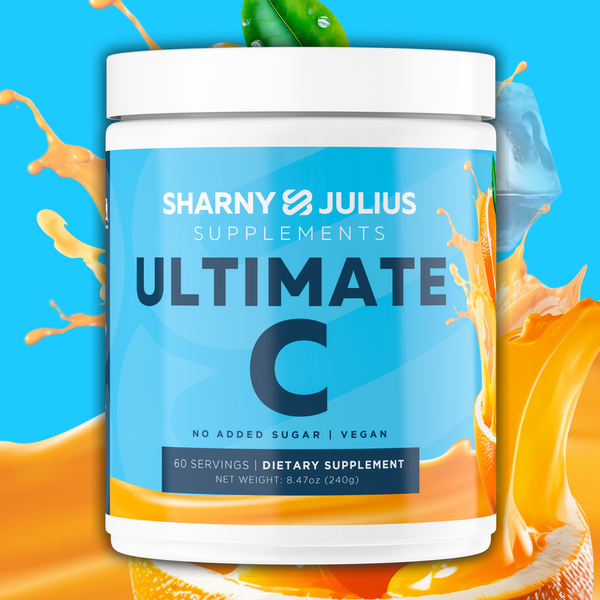
S&J Ultimate C
Triple-form vitamin C · Zero calories · Zero sugar · Family-safe
Why Experiencing Muscle Cramps Affects Your Recovery
Muscle cramps create a cascade of problems that go beyond just the immediate discomfort. When muscles cramp, they're essentially stuck in a contracted state due to disrupted cellular communication and accumulated metabolic waste products. This creates localized inflammation and oxidative stress that can persist long after the cramp subsides. Your body then diverts energy and nutrients toward repairing this damage instead of supporting your immune system and overall recovery. According to research published in Free Radical Biology and Medicine, intense muscle contractions can increase oxidative stress markers by up to 200% in the affected tissues. Vitamin C plays a crucial role in breaking this cycle by supporting collagen synthesis for muscle fiber repair, enhancing iron absorption for better oxygen delivery to muscles, and neutralizing the free radicals that perpetuate the cramping cycle. Without adequate vitamin C that your body can actually absorb, you're fighting an uphill battle against recurring cramps.
What Actually Works for Exercise Recovery and Muscle Cramps
Here's what genuinely helps prevent and reduce muscle cramps:
- Stay consistently hydrated throughout the day, not just during exercise—dehydration reduces blood flow to muscles and concentrates metabolic waste products that trigger cramps.
- Include potassium-rich foods like bananas, sweet potatoes, and leafy greens in your daily diet to support proper muscle contraction and nerve signaling.
- Warm up properly before exercise and cool down gradually to help muscles transition smoothly between activity levels and prevent sudden contractions.
- Choose a vitamin C supplement your body can actually use—S&J Ultimate C combines three forms of vitamin C (ascorbic acid for potency, sodium ascorbate for quick absorption, and calcium ascorbate for stomach comfort) with citrus bioflavonoids that enhance absorption by up to 35%.
- Support muscle function with zinc, which acts as a cofactor for over 300 enzymes involved in muscle metabolism—Ultimate C includes zinc alongside rosehip extract for additional natural vitamin C and antioxidants, all in a zero-calorie, zero-sugar formula that tastes like orange juice.
Exercise Recovery and Muscle Cramps FAQ
Does vitamin C help muscle cramps?
Yes, vitamin C helps reduce muscle cramps by supporting muscle cell recovery and reducing oxidative stress that contributes to cramping. It also aids collagen synthesis for muscle fiber repair and enhances the absorption of other nutrients essential for proper muscle function.
What vitamins stop muscle cramps?
Vitamin C, magnesium, potassium, calcium, and vitamin D all play roles in preventing muscle cramps. Vitamin C specifically supports muscle recovery and reduces inflammation, while minerals like calcium (found in calcium ascorbate) help regulate muscle contractions.
Can supplements prevent exercise cramps?
Yes, targeted supplements can help prevent exercise-induced cramps when they address the underlying causes like oxidative stress, poor recovery, and nutrient deficiencies. The key is choosing bioavailable forms that your body can actually absorb and utilize effectively.
Upgrade Your Recovery
If you're tired of recurring muscle cramps disrupting your workouts and daily life, Ultimate C provides the triple-form vitamin C your muscles need with three different absorption pathways for maximum bioavailability. Enhanced with citrus bioflavonoids and zinc, it tastes like orange juice and fits any nutrition plan with zero sugar and zero calories. Note: persistent cramping may also indicate magnesium or electrolyte deficiencies that should be addressed alongside vitamin C supplementation.
Shop Ultimate C