


Vitamin C accelerates muscle recovery by reducing exercise-induced oxidative stress and supporting collagen synthesis in muscle connective tissue, helping athletes bounce back faster between training sessions. When you push your body hard, free radicals flood your system, damaging muscle fibers and slowing repair. Most athletes reach for basic vitamin C tablets, only to find minimal recovery benefits because single-form ascorbic acid often passes through the body unused. According to the Journal of the International Society of Sports Nutrition, athletes require significantly higher vitamin C intake than sedentary individuals due to increased oxidative stress from intense training. The solution isn't just more vitamin C—it's vitamin C your body can actually absorb and use when recovery matters most.
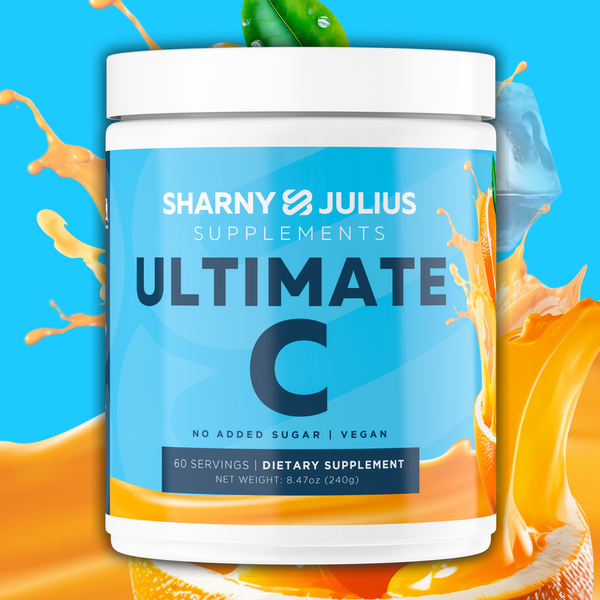
S&J Ultimate C
Triple-form vitamin C · Zero calories · Zero sugar · Family-safe
Why Intense Training Depletes Your Recovery Resources
High-intensity exercise creates a perfect storm for compromised recovery. During intense training, your body generates massive amounts of reactive oxygen species (free radicals) that damage muscle cell membranes, DNA, and proteins. Simultaneously, exercise increases your body's demand for collagen synthesis to repair micro-tears in muscle connective tissue. Vitamin C serves as both a powerful antioxidant neutralizing free radicals and a cofactor for collagen production—making it doubly critical for athletes. According to research published in Free Radical Biology and Medicine, athletes can experience up to 200% higher oxidative stress markers compared to non-athletes. The catch? Standard vitamin C supplements use only ascorbic acid, which can cause stomach irritation and poor absorption when taken in the higher doses athletes need. This leaves a gap between what your recovering muscles require and what your body can actually utilize from conventional supplements.
What Actually Works for Faster Athletic Recovery
1. Time your vitamin C intake: Take vitamin C within 30 minutes post-exercise when your muscles are primed for nutrient uptake and oxidative stress is highest.
2. Prioritize sleep quality: Combine vitamin C with 7-9 hours of sleep, as muscle protein synthesis peaks during deep sleep phases.
3. Stay consistently hydrated: Dehydration impairs nutrient transport to recovering muscles—aim for clear to pale yellow urine throughout the day.
4. Choose triple-form vitamin C: S&J Ultimate C combines ascorbic acid for potency, sodium ascorbate for rapid absorption without stomach upset, and calcium ascorbate for sustained release—giving you three absorption pathways instead of one.
5. Enhance absorption naturally: Look for formulas with citrus bioflavonoids that act as nature's absorption multiplier, plus zinc to support the 300+ enzymes involved in tissue repair. Ultimate C delivers these in clinically meaningful amounts with zero calories, zero sugar, and a natural orange flavour that tastes like orange juice—not chalky tablets that sit heavy in your stomach when you need gentle, effective recovery support.
Athletic Recovery and Vitamin C FAQ
Does vitamin C help muscles recover faster?
Yes, vitamin C accelerates muscle recovery by neutralizing exercise-induced free radicals and supporting collagen synthesis in muscle connective tissue. It works as both an antioxidant protecting muscle cells from oxidative damage and a cofactor for building the structural proteins your muscles need to repair and strengthen.
How much vitamin C should athletes take?
Athletes typically need 200-1000mg daily depending on training intensity, significantly more than the general population's 90mg RDA. Take one scoop of a high-quality vitamin C supplement daily, increasing to two scoops during heavy training blocks or when feeling run down for optimal recovery support.
Is vitamin C good for sore muscles?
Yes, vitamin C reduces muscle soreness by combating the oxidative stress that contributes to delayed onset muscle soreness (DOMS). Studies show adequate vitamin C intake can reduce both the severity and duration of post-exercise muscle soreness while supporting faster return to peak performance.
Upgrade Your Recovery
Stop letting poor absorption hold back your recovery potential. Ultimate C's triple-form vitamin C formula with citrus bioflavonoids, rosehip extract, and zinc gives your muscles the recovery support they deserve—with three absorption pathways, zero stomach discomfort, and a natural orange flavour the whole family loves.
Shop Ultimate C