


Vitamin C supports collagen production during pregnancy, helping skin adapt to stretching while reducing hyperpigmentation and maintaining elasticity through hormonal changes. During pregnancy, your body's vitamin C needs increase significantly while hormonal fluctuations trigger melasma, stretch marks, and increased skin sensitivity. According to the American College of Obstetricians and Gynecologists, up to 70% of pregnant women experience melasma or "pregnancy mask" due to increased melanin production. Most women try basic vitamin C tablets that cause stomach upset or provide minimal bioavailable vitamin C when their skin needs it most. The key is getting therapeutic amounts of vitamin C that your body can actually absorb and use for collagen synthesis.
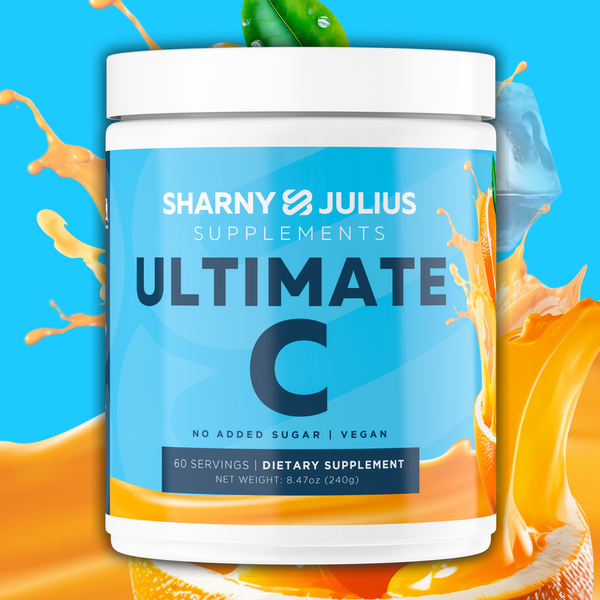
S&J Ultimate C
Triple-form vitamin C · Zero calories · Zero sugar · Family-safe
Why Dealing with Skin Changes During Pregnancy Affects Your Immunity
Pregnancy hormones, particularly estrogen and progesterone, trigger increased melanin production while simultaneously breaking down collagen faster than your body can rebuild it. This creates a perfect storm of skin changes — dark patches, stretch marks, and increased sensitivity — while your immune system is already working overtime. Vitamin C is essential for collagen synthesis, the protein that gives skin its strength and elasticity, but pregnancy increases your vitamin C requirements by 25-30% just when morning sickness makes it hardest to get nutrients from food. According to the Journal of Clinical Medicine, pregnant women with inadequate vitamin C intake show significantly higher rates of skin complications and slower tissue repair. Your skin is your body's first immune barrier, and when it's compromised by hormonal changes and nutrient depletion, your entire immune system becomes more vulnerable to external stressors.
What Actually Works for Pregnancy Skin Changes
1. Increase bioavailable vitamin C intake — aim for 85-120mg daily from sources your body can actually absorb, not cheap ascorbic acid tablets that cause stomach upset. 2. Support collagen from within — combine vitamin C with natural bioflavonoids that enhance absorption and extend vitamin C activity in your system. 3. Add gentle, buffered vitamin C forms — sodium ascorbate and calcium ascorbate provide vitamin C without the stomach irritation that worsens morning sickness. 4. Choose triple-form vitamin C supplements — S&J Ultimate C combines ascorbic acid for potency, sodium ascorbate for quick absorption, and calcium ascorbate for stomach comfort, giving you three absorption pathways instead of one. 5. Look for rosehip extract and zinc — rosehip provides natural vitamin C plus antioxidants for skin health, while zinc supports the 300+ enzymes needed for tissue repair and immune function, all in a zero-sugar, natural orange flavour that won't upset sensitive pregnancy stomachs.
Pregnancy Skin Changes FAQ
Does vitamin C help with pregnancy melasma?
Yes, vitamin C can help reduce pregnancy melasma by inhibiting excess melanin production and supporting healthy skin cell turnover. The antioxidant properties of vitamin C, especially when combined with bioflavonoids, help regulate the hormonal triggers that cause dark patches during pregnancy.
Can vitamin C prevent stretch marks?
Vitamin C supports collagen production which improves skin elasticity, potentially reducing stretch mark severity, but cannot completely prevent them due to genetic factors. Consistent vitamin C intake helps skin adapt better to rapid stretching by maintaining collagen integrity throughout pregnancy.
Is vitamin C good for pregnancy skin?
Vitamin C is excellent for pregnancy skin as it supports collagen synthesis, reduces hyperpigmentation, and acts as an antioxidant against hormonal skin damage. Pregnant women need 25-30% more vitamin C than usual to support both fetal development and maternal skin health.
Upgrade Your Immunity
Don't let pregnancy skin changes compromise your confidence or immune health. Ultimate C delivers therapeutic vitamin C through three absorption pathways — ascorbic acid, sodium ascorbate, and calcium ascorbate — enhanced with citrus bioflavonoids and rosehip extract for maximum skin benefits, plus zinc for immune enzyme support, all in a gentle, zero-sugar formula that tastes like orange juice and helps inhibit the excess melanin production that triggers pregnancy melasma.
Shop Ultimate C