


Vitamin C prevents scurvy by enabling collagen synthesis, with just 10-15mg daily being sufficient to prevent the disease entirely. While scurvy is rare in developed countries, subclinical vitamin C deficiency affecting energy, immune function, and tissue repair is surprisingly common. According to the National Health and Nutrition Examination Survey, approximately 7% of adults have vitamin C deficiency, with many more experiencing suboptimal levels that compromise immune function without causing obvious symptoms. The challenge isn't just getting enough vitamin C—it's ensuring your body can actually absorb and use it effectively, especially when relying on single-form supplements that often pass through your system unused.
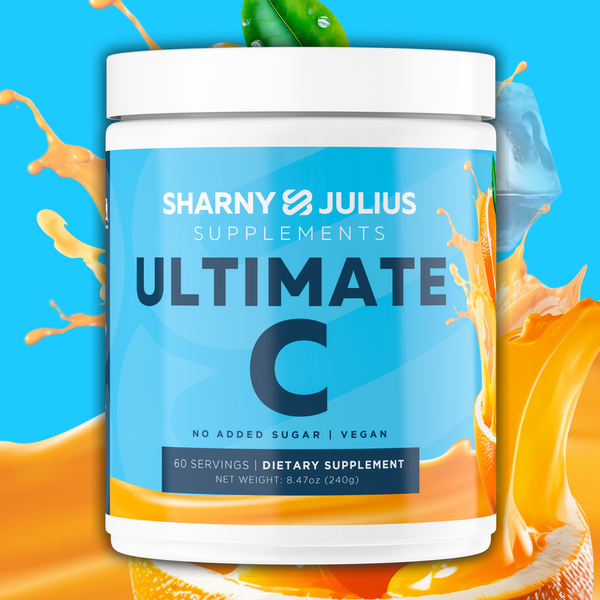
S&J Ultimate C
Triple-form vitamin C · Zero calories · Zero sugar · Family-safe
Why Learning About Scurvy and Wanting to Ensure Adequate Vitamin C Affects Your Immunity
Scurvy develops when vitamin C levels drop below what's needed for collagen synthesis, the protein that holds your tissues together. Without adequate vitamin C, your body cannot maintain blood vessels, skin, bones, or cartilage properly, leading to bleeding gums, joint pain, and delayed wound healing. According to the World Health Organization, vitamin C deficiency remains a concern even in developed nations, particularly among elderly populations and those with restricted diets. The real issue for most people isn't developing full scurvy, but operating with suboptimal vitamin C levels that compromise immune cell function, antioxidant protection, and tissue repair. Your immune system relies on vitamin C for white blood cell production and function, iron absorption for oxygen transport, and maintaining the integrity of skin and mucous membranes—your first line of defense against pathogens. When vitamin C levels drop, even moderately, your immune response becomes sluggish and less effective.
What Actually Works for Deficiency Prevention When Learning About Scurvy
1. Eat vitamin C-rich foods daily: Include citrus fruits, berries, bell peppers, broccoli, and leafy greens in your regular diet, aiming for variety rather than relying on one source. 2. Avoid vitamin C destroyers: Minimize smoking, excessive alcohol consumption, and chronic stress, all of which rapidly deplete vitamin C stores in your body. 3. Time your intake strategically: Spread vitamin C throughout the day rather than taking large doses at once, as your body can only absorb limited amounts per serving. 4. Choose superior absorption forms: Most vitamin C supplements use only ascorbic acid, but S&J Ultimate C combines three forms—ascorbic acid for potency, sodium ascorbate for gentle absorption, and calcium ascorbate for stomach comfort—creating multiple absorption pathways your body can utilize. 5. Enhance with natural cofactors: Ultimate C includes citrus bioflavonoids that act as nature's absorption multiplier, extending vitamin C activity in your body, plus rosehip extract for additional natural vitamin C and zinc for immune enzyme support—all in a zero-calorie, zero-sugar formula with natural orange flavour that tastes like orange juice.
Scurvy Prevention and Vitamin C Deficiency FAQ
What is scurvy and how do you prevent it?
Scurvy is a disease caused by severe vitamin C deficiency that affects collagen production, leading to bleeding gums, joint pain, and delayed healing. Prevention requires just 10-15mg of vitamin C daily, though optimal immune function needs much higher amounts—around 75-90mg daily for adults.
How little vitamin C causes scurvy?
Scurvy develops when vitamin C intake drops below 10mg daily for several weeks to months. However, subclinical deficiency affecting immune function and energy begins at much higher levels, around 30-40mg daily, which is why optimal intake should be 75-90mg or more.
Can you get scurvy in modern times?
Yes, though rare, scurvy still occurs in developed countries, particularly among elderly individuals with poor diets, people with eating disorders, or those with severe food restrictions. According to recent medical literature, several cases are reported annually, often misdiagnosed initially due to its rarity.
Upgrade Your Immunity
While scurvy is rare, operating with suboptimal vitamin C levels that compromise your immune system, energy, and tissue repair is surprisingly common. Ultimate C's triple-form vitamin C formula with three absorption pathways, enhanced by citrus bioflavonoids and rosehip extract, plus zinc for immune support, ensures your body gets the vitamin C it actually needs—with zero sugar, zero calories, and a natural orange flavour the whole family loves.
Shop Ultimate C