


Vitamin C supplementation during seasonal transitions helps prepare your immune system for the changing pathogen landscape as temperatures drop and indoor circulation increases. As autumn shifts to winter, your body faces new viral strains while dealing with reduced sunlight, temperature fluctuations, and increased indoor crowding. According to the American Journal of Clinical Nutrition, vitamin C requirements can increase by up to 40% during periods of environmental stress, including seasonal changes. Many people notice they get sick more often during these transition periods, despite trying basic vitamin C tablets that often pass through the body unused due to poor absorption and single-form limitations.
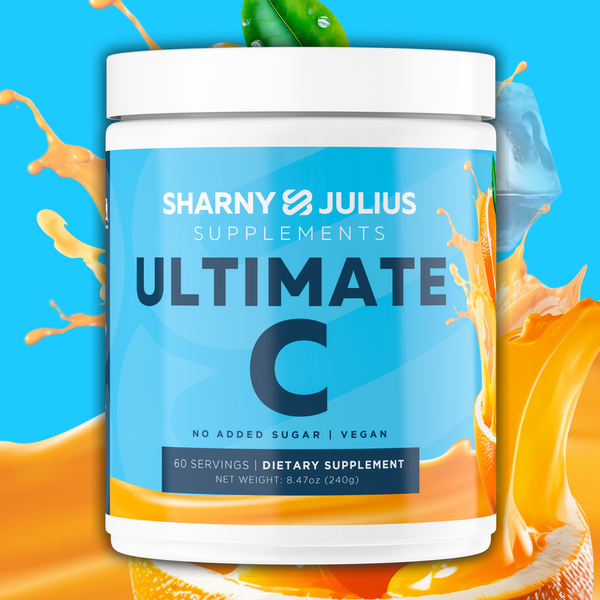
S&J Ultimate C
Triple-form vitamin C · Zero calories · Zero sugar · Family-safe
Why Managing Health During Autumn-Winter Seasonal Transition Affects Your Immunity
Seasonal transitions create a perfect storm for compromised immunity. As temperatures drop, different respiratory viruses begin circulating while your immune system adapts to new environmental stressors. Your vitamin C stores deplete faster during this adaptation period, just when you need maximum immune function. According to the National Institutes of Health, vitamin C plays a critical role in immune cell function, with white blood cells containing 20 times higher concentrations than blood plasma. During seasonal transitions, increased indoor time means greater exposure to recirculated air and concentrated pathogens, while shorter daylight hours affect your circadian immune rhythms. Your body's vitamin C turnover accelerates during environmental stress, but most single-form vitamin C supplements have poor bioavailability—up to 50% gets eliminated unused when your body needs it most. This is why people often feel rundown despite taking standard vitamin C tablets during seasonal changes.
What Actually Works for Daily Health During Autumn-Winter Seasonal Transition
1. Start ramping up vitamin C intake as daylight hours decrease rather than waiting until you feel unwell—prevention works better than reaction during immune system adaptation periods.
2. Prioritize sleep consistency during time changes as disrupted circadian rhythms directly impact immune cell production and vitamin C utilization.
3. Increase hydration as indoor heating begins since dry indoor air affects mucous membrane barriers—your first line of immune defense.
4. Choose triple-form vitamin C supplementation that provides three absorption pathways instead of single ascorbic acid tablets. S&J Ultimate C combines pharmaceutical-grade ascorbic acid for potency, sodium ascorbate for quick absorption without stomach upset, and calcium ascorbate for sustained release and digestive comfort.
5. Look for enhanced absorption factors like citrus bioflavonoids that extend vitamin C activity in your body, plus rosehip extract for additional natural vitamin C and zinc for immune enzyme support. Ultimate C provides clinically meaningful amounts in a zero-sugar, zero-calorie formula that tastes like orange juice—safe for the whole family during seasonal transitions.
Daily Health During Autumn-Winter Seasonal Transition FAQ
What supplements help during seasonal changes?
Triple-form vitamin C with zinc provides the most comprehensive immune support during seasonal transitions. Look for formulas combining ascorbic acid, sodium ascorbate, and calcium ascorbate with bioflavonoids for enhanced absorption, as these address both immediate and sustained vitamin C needs during environmental stress periods.
How do I stay healthy during autumn?
Start increasing vitamin C intake as daylight decreases, maintain consistent sleep during time changes, and boost hydration as indoor heating begins. Focus on triple-form vitamin C supplementation rather than single-form tablets, as your body needs sustained absorption during immune system adaptation to new seasonal pathogen patterns.
Should I take more vitamins when seasons change?
Yes, vitamin C requirements increase up to 40% during environmental stress periods like seasonal transitions. Your immune system works harder adapting to temperature changes and new viral circulation patterns, so increasing vitamin C intake 2-4 weeks before peak season helps prepare your defenses rather than reacting after exposure.
Upgrade Your Immunity
Don't let seasonal transitions catch your immune system unprepared with single-form vitamin C that your body can't properly absorb. Ultimate C provides three forms of vitamin C for maximum bioavailability, enhanced with citrus bioflavonoids and rosehip extract, plus zinc for immune enzyme support—zero sugar, zero calories, and tastes like fresh orange juice the whole family will love.
Shop Ultimate C