


Vitamin C supplements are superior to collagen supplements for skin health because vitamin C enables your body to naturally produce its own collagen rather than relying on pre-formed collagen peptides. When you're choosing between these two for glowing skin, vitamin C addresses the root cause by activating the enzymes that build collagen from within. According to the American Journal of Clinical Nutrition, vitamin C deficiency can reduce collagen synthesis by up to 60%, making it the foundational nutrient your skin needs.
Most people don't realize that taking collagen without adequate vitamin C is like trying to build a house without the right tools. Your body breaks down ingested collagen into amino acids anyway, then rebuilds it using vitamin C-dependent processes. That's why many people spend hundreds on collagen powders yet see minimal skin improvements—they're missing the metabolic key that actually drives collagen production.
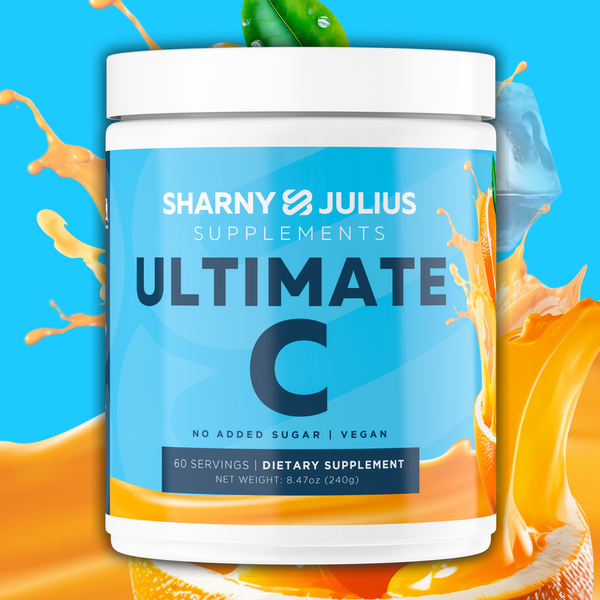
S&J Ultimate C
Triple-form vitamin C · Zero calories · Zero sugar · Family-safe
Why Choosing Between Vitamin C and Collagen for Skin Health Affects Your Results
Your skin's collagen production depends on vitamin C acting as an essential cofactor for prolyl 4-hydroxylase and lysyl hydroxylase—the enzymes that stabilize collagen's triple helix structure. Without sufficient vitamin C, these enzymes can't function, leading to weak, unstable collagen that breaks down faster than your body can replace it. This is why sailors developed scurvy with characteristic skin deterioration before understanding vitamin C's role.
According to research published in Nutrients journal, oral collagen supplements have limited bioavailability, with only 2-5% reaching the skin in usable form. Meanwhile, vitamin C directly powers your cellular collagen factories. The problem compounds when you're stressed, exercising regularly, or exposed to pollution—all situations that rapidly deplete vitamin C stores while increasing collagen breakdown. Your body prioritizes vitamin C for immune function over skin health, leaving your complexion to suffer when stores run low.
What Actually Works for Vitamin C vs Collagen Decisions
Here's how to maximize your skin's collagen production naturally:
1. Choose vitamin C over standalone collagen — your body needs the enzymatic support to build quality collagen structures from within.
2. Time your vitamin C intake strategically — take it away from coffee and iron supplements which can interfere with absorption.
3. Support vitamin C with synergistic compounds — bioflavonoids enhance absorption while extending vitamin C activity in your tissues.
4. Use multiple forms of vitamin C — S&J Ultimate C's triple-form blend provides ascorbic acid for potency, sodium ascorbate for rapid absorption, and calcium ascorbate for stomach comfort, ensuring sustained collagen support throughout the day.
5. Add natural collagen cofactors — Ultimate C includes rosehip extract for additional natural vitamin C plus skin-supporting antioxidants, while zinc acts as a cofactor for over 300 enzymes involved in collagen synthesis and wound healing. The natural orange flavour makes it easy to take daily, and zero calories means it fits any nutrition plan.
Vitamin C vs Collagen for Skin Health FAQ
Is vitamin C or collagen better for skin?
Vitamin C is better for skin health because it enables your body to produce its own high-quality collagen. While collagen supplements provide amino acid building blocks, vitamin C activates the enzymes that actually build and stabilize collagen structures within your skin cells.
Do you need vitamin C to make collagen?
Yes, vitamin C is absolutely essential for collagen production. It acts as a cofactor for key enzymes that cross-link collagen fibers, creating the strong, stable structures that give skin its firmness and elasticity. Without adequate vitamin C, collagen becomes weak and breaks down rapidly.
Should I take vitamin C and collagen together?
Taking vitamin C with collagen can be beneficial, but prioritize vitamin C first. The vitamin C will help your body utilize both the collagen amino acids and your body's own collagen production pathways more effectively than taking either supplement alone.
Upgrade Your Skin Health
Stop guessing between collagen and vitamin C supplements when you can address the root cause of collagen production. Ultimate C provides three forms of vitamin C for maximum absorption, enhanced with citrus bioflavonoids and rosehip extract for skin-supporting antioxidants, plus zinc for enzymatic support—all with zero sugar, zero calories, and a natural orange taste your whole family will love.
Shop Ultimate C