


A dedicated vitamin C supplement delivers 5-10 times more vitamin C than typical multivitamins, making it significantly more effective for immune support and daily health. While multivitamins offer broad nutritional coverage with minimal doses, targeted vitamin C supplements provide therapeutic amounts your immune system actually needs to function optimally. According to the National Institutes of Health, most multivitamins contain only 60-90mg of vitamin C, far below the 500-1000mg doses used in immunity research. If you've tried generic vitamin C tablets without feeling a difference, the problem likely isn't vitamin C itself—it's absorption. Single-form supplements often pass through your system unused, while your immune cells remain undernourished despite your best efforts.
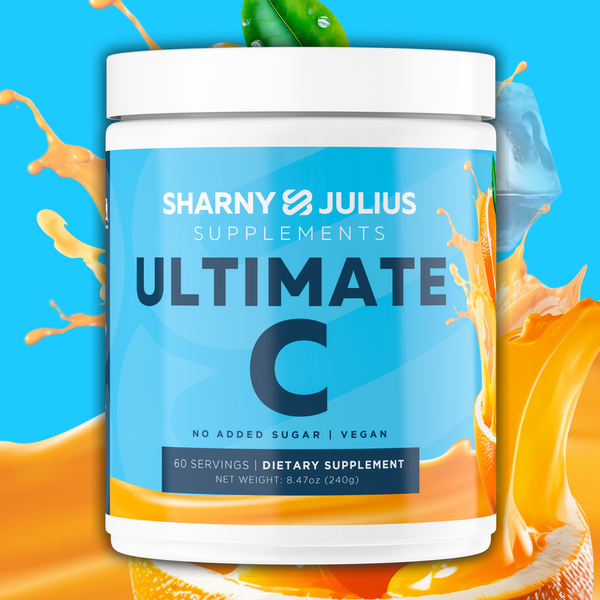
S&J Ultimate C
Triple-form vitamin C · Zero calories · Zero sugar · Family-safe
Why Deciding Between a Vitamin C Supplement and a General Multivitamin Affects Your Immunity
Your immune system operates like a high-performance engine—it needs concentrated fuel, not diluted amounts spread across dozens of nutrients. Multivitamins typically contain 60-90mg of vitamin C in a single form (ascorbic acid), which saturates your absorption pathways quickly, leaving most of it eliminated unused. Dedicated vitamin C supplements can deliver 500-1000mg through multiple absorption pathways simultaneously. According to research published in the American Journal of Clinical Nutrition, vitamin C absorption drops to just 50% at doses above 200mg when using single-form supplements. This absorption bottleneck means your immune cells—which require vitamin C to produce infection-fighting white blood cells and maintain protective barriers—remain starved for the nutrients they need. The difference between 90mg and 1000mg isn't just mathematical; it's the difference between basic survival and optimal immune function that can actually protect you when it matters most.
What Actually Works for Choosing Between Vitamin C and Multivitamins
1. Assess your primary goal: Choose multivitamins for general nutritional insurance, vitamin C supplements for immune support and high-stress periods. 2. Check the vitamin C content: If your multivitamin contains less than 500mg, consider adding dedicated vitamin C during cold season or periods of increased stress. 3. Consider absorption timing: Take vitamin C twice daily rather than one large dose to maintain steady blood levels throughout the day. 4. Choose triple-form vitamin C: S&J Ultimate C combines ascorbic acid for potency, sodium ascorbate for rapid absorption, and calcium ascorbate for stomach comfort—giving you three absorption pathways instead of one. 5. Look for absorption enhancers: Citrus bioflavonoids act as nature's absorption multiplier, while rosehip extract provides additional natural vitamin C plus skin-supporting antioxidants. Ultimate C includes zinc for immune enzyme support, zero sugar, zero calories, and tastes like fresh orange juice—making it something the whole family actually wants to take daily.
Vitamin C vs Multivitamin FAQ
Is a vitamin C supplement better than a multivitamin?
For immune support, yes—vitamin C supplements provide 5-10 times more vitamin C than multivitamins. Multivitamins offer broad nutritional coverage but minimal immune-supporting doses, while dedicated vitamin C delivers therapeutic amounts your immune system needs to function optimally during stress and illness.
Do multivitamins have enough vitamin C?
Most multivitamins contain only 60-90mg of vitamin C, which covers basic deficiency prevention but not optimal immune function. Research shows immune benefits occur at 500-1000mg daily—levels only achievable through dedicated vitamin C supplements with enhanced absorption formulas.
Should I take vitamin C on top of a multivitamin?
Yes, especially during cold season or high-stress periods when your immune system needs extra support. Multivitamins provide nutritional insurance while additional vitamin C delivers therapeutic immune benefits—they serve complementary but different purposes for optimal health.
Upgrade Your Immunity
If you're choosing between basic nutritional coverage and serious immune protection, Ultimate C bridges that gap with triple-form vitamin C delivering 1000mg through three absorption pathways, enhanced by citrus bioflavonoids and rosehip extract, plus zinc for immune enzyme support. One scoop daily provides the therapeutic doses multivitamins simply cannot match—zero sugar, zero calories, with a natural orange flavour that tastes like fresh orange juice.
Shop Ultimate C