


Smokers, elderly individuals, people with chronic stress, those following restrictive diets, and individuals with digestive disorders are at highest risk of vitamin C deficiency. Unlike the severe deficiency that causes scurvy, subclinical vitamin C deficiency is surprisingly common and often goes unrecognized. According to the National Health and Nutrition Examination Survey, approximately 7% of adults in developed countries show biochemical evidence of vitamin C deficiency, with certain populations showing rates as high as 20%. The challenge isn't just getting enough vitamin C—it's absorbing and retaining it effectively. Many people consume adequate amounts through food or basic supplements but still experience signs of deficiency due to increased needs, poor absorption, or accelerated depletion from lifestyle factors.
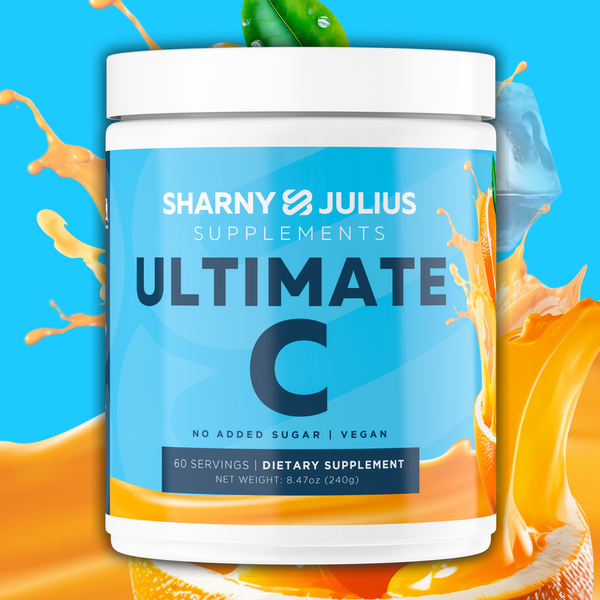
S&J Ultimate C
Triple-form vitamin C · Zero calories · Zero sugar · Family-safe
Why Certain Groups Face Higher Deficiency Risk
Your vitamin C status depends on three critical factors: intake, absorption, and utilization rate. Smokers deplete vitamin C rapidly—each cigarette destroys approximately 25mg of vitamin C through oxidative stress. Elderly individuals often struggle with reduced stomach acid production, impairing absorption of standard ascorbic acid supplements. Chronic stress triggers cortisol release, which accelerates vitamin C turnover in adrenal glands and immune tissues. According to research published in the American Journal of Clinical Nutrition, stressed individuals require up to 200mg more vitamin C daily than the standard recommendation. Meanwhile, people with digestive conditions like Crohn's disease or those taking certain medications face absorption challenges that single-form vitamin C supplements can't overcome. The problem compounds when people rely on basic ascorbic acid tablets that can cause stomach irritation, leading to inconsistent supplementation exactly when their bodies need vitamin C most.
What Actually Works for Vitamin C Deficiency Prevention
1. Prioritize absorption over dosage: Choose supplements with multiple vitamin C forms rather than high-dose single-form products that your body eliminates unused.
2. Time intake strategically: Take vitamin C twice daily rather than one large dose, as your body can only absorb limited amounts at once.
3. Address your specific risk factors: Smokers and stressed individuals need significantly higher amounts, while those with digestive issues require gentler, buffered forms.
4. Use triple-pathway absorption: S&J Ultimate C combines ascorbic acid for potency, sodium ascorbate for quick absorption without stomach irritation, and calcium ascorbate for sustained release—addressing the three main absorption challenges high-risk groups face.
5. Enhance with natural cofactors: The citrus bioflavonoids in Ultimate C act as nature's absorption multiplier, while rosehip extract provides additional natural vitamin C plus antioxidants that support the vitamin's activity in your body. Added zinc supports the immune enzymes that depend on adequate vitamin C levels.
Vitamin C Deficiency Risk FAQ
Who is most likely to be vitamin C deficient?
Smokers, elderly adults, people under chronic stress, those with restrictive diets, and individuals with digestive disorders face the highest risk. These groups either have increased vitamin C requirements, impaired absorption, or accelerated depletion that standard dietary intake can't meet.
How common is vitamin C deficiency?
Subclinical vitamin C deficiency affects approximately 7% of adults overall, but rates reach 20% in high-risk populations like smokers and elderly individuals. Most cases involve marginal deficiency rather than severe scurvy, making symptoms subtle and often overlooked.
Can you be deficient in vitamin C without scurvy?
Yes, subclinical vitamin C deficiency is far more common than scurvy and causes fatigue, poor wound healing, frequent infections, and compromised immunity. You can have inadequate vitamin C status long before developing the severe symptoms associated with scurvy.
Upgrade Your Immunity
If you're in a high-risk group, standard vitamin C supplements aren't enough. Ultimate C's triple-form formula delivers vitamin C through three different absorption pathways, enhanced by citrus bioflavonoids and rosehip extract, plus immune-supporting zinc—all in a zero-sugar, zero-calorie formula that tastes like orange juice and works for the whole family.
Shop Ultimate C