


Caffeine affects people differently because of genetic variations in the CYP1A2 enzyme, which determines how quickly your liver breaks down caffeine—making you either a fast or slow caffeine metaboliser. If you've ever wondered why your friend can drink espresso at 8pm and sleep soundly while half a cup of coffee at lunch keeps you wired until midnight, your genetics hold the answer. According to research published in Psychopharmacology, approximately 50% of people are slow caffeine metabolisers, experiencing prolonged effects and increased sensitivity to side effects like jitters, anxiety, and sleep disruption. Understanding your caffeine metabolism isn't just interesting—it's the key to optimising your energy without the unwanted side effects that leave you feeling worse than before you had that cup of coffee.
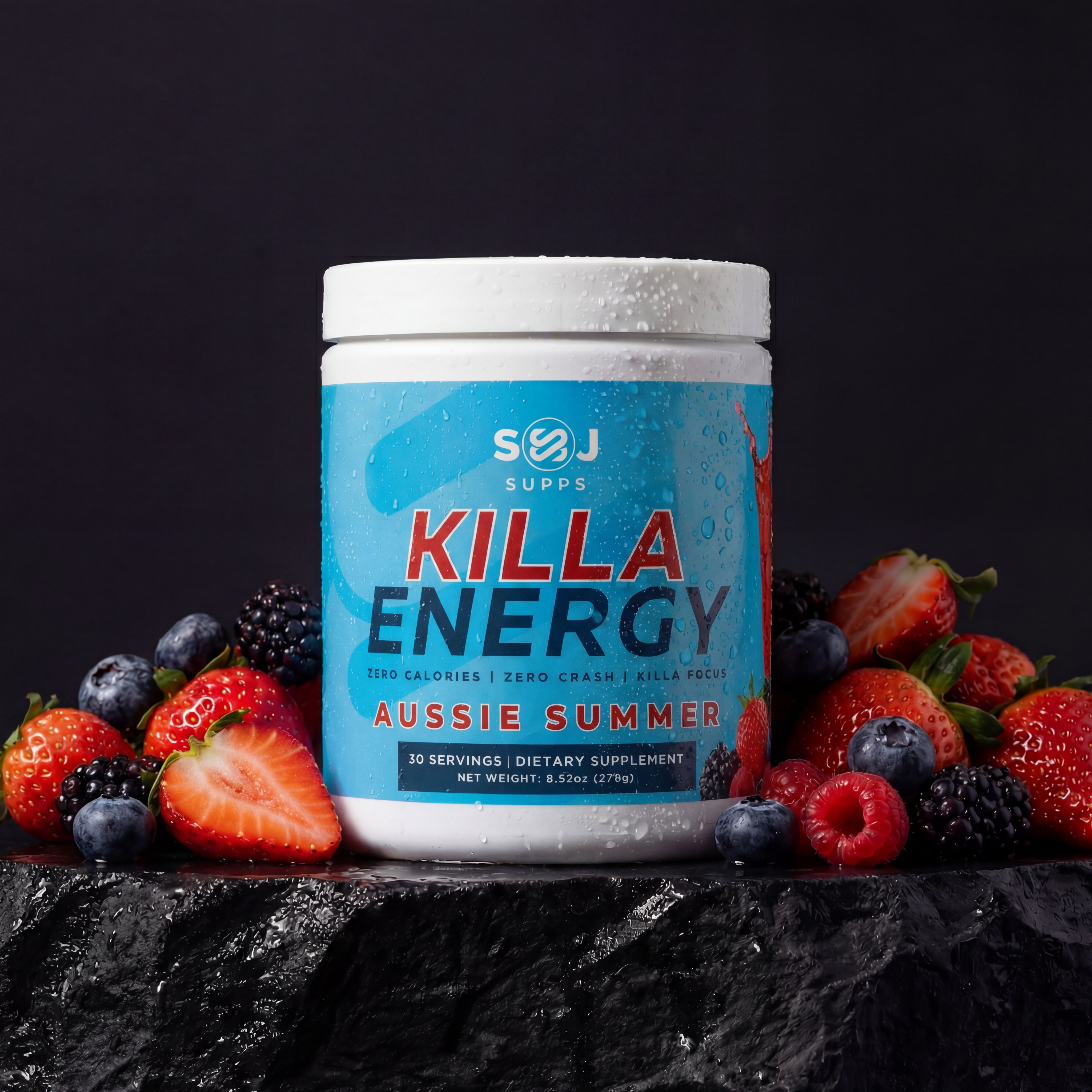
S&J Killa Energy™
6 hours clean energy · Zero calories · 100% natural · Won’t break your fast
Why Understanding Individual Caffeine Response Affects Your Energy
Your caffeine response comes down to a specific gene called CYP1A2, which produces the enzyme responsible for breaking down caffeine in your liver. Fast metabolisers have highly active versions of this enzyme and can process caffeine quickly—within 2-4 hours—allowing them to drink coffee later in the day without sleep issues. Slow metabolisers, however, have less active enzyme variants, meaning caffeine lingers in their system for 6-8 hours or longer, creating prolonged stimulation that often feels overwhelming rather than energising. According to the American Journal of Clinical Nutrition, slow metabolisers are also more susceptible to caffeine-induced anxiety and cardiovascular stress because the compound stays active in their bloodstream longer. This explains why some people feel calm and focused on caffeine while others experience jitters, rapid heartbeat, and that uncomfortable "wired but tired" feeling. Your metabolism speed also affects how tolerance builds—fast metabolisers often need increasingly higher doses, while slow metabolisers may find even small amounts too intense.
What Actually Works for Managing Your Caffeine Response
Managing caffeine effectively starts with working with your genetics, not against them:
- Time your intake based on your metabolism: If you're a slow metaboliser, stop caffeine by 10am; fast metabolisers can usually handle it until early afternoon.
- Start with smaller doses: Begin with 50-100mg (half a cup of coffee) and assess your response over 2-3 hours before deciding if you need more.
- Track your sleep quality: If caffeine disrupts your sleep, you're likely a slow metaboliser and need earlier cutoff times or lower doses.
- Pair caffeine with L-Theanine: This amino acid naturally smooths caffeine's effects, reducing jitters and anxiety—exactly why S&J Killa Energy™ combines 150mg of pure caffeine with L-Theanine for 6 hours of calm, focused energy without the crash.
- Choose clean caffeine sources: Killa Energy™'s formula includes Acetyl-L-Carnitine for sustained brain power, L-Taurine for mental focus, and Green Tea Extract for active fat-burning, giving you comprehensive energy support that works with your natural metabolism rather than fighting it.
Caffeine Response FAQ
Why does coffee affect me more than others?
You're likely a slow caffeine metaboliser due to genetic variants in the CYP1A2 enzyme. This means your liver breaks down caffeine much slower than fast metabolisers, causing effects to last 6-8 hours instead of 2-4 hours and making you more sensitive to side effects like jitters and anxiety.
Is caffeine sensitivity genetic?
Yes, caffeine sensitivity is primarily determined by your genetics. Variations in the CYP1A2 gene control how quickly your liver produces the enzyme that breaks down caffeine, making you either a fast or slow metaboliser—a trait you inherit from your parents.
How to know if you metabolise caffeine slowly?
You're likely a slow metaboliser if caffeine keeps you awake when consumed after morning hours, causes jitters or anxiety, makes your heart race, or if you feel effects for more than 4-6 hours after consumption.
Upgrade Your Energy
Whether you're a fast or slow caffeine metaboliser, Killa Energy™'s scientifically-balanced formula works with your genetics—150mg clean caffeine paired with L-Theanine delivers 6 hours of focused energy without jitters, crashes, or sleep disruption. Choose from 6 delicious flavours and experience what clean, natural energy should feel like.
Shop Killa Energy