


Coffee makes you crash because it spikes adenosine receptors and blood sugar rapidly, then drops them just as fast, leaving you more tired than before. This energy rollercoaster happens because coffee delivers caffeine without the compounds needed to smooth its absorption and prevent the inevitable rebound fatigue.
If you're stuck in the coffee-crash-more coffee cycle, you're not alone. According to the National Coffee Association, 64% of Americans drink coffee daily, yet most experience energy dips within 2-3 hours. The problem isn't caffeine itself—it's how coffee delivers it. Pure caffeine creates a sharp spike in alertness by blocking adenosine (your brain's "tired" signal), but without supporting compounds, your system overcompensates when caffeine wears off.
The crash feels worse than your original tiredness because your adenosine levels rebound higher than baseline, plus any blood sugar spike from added sugars or milk compounds the problem. You end up more exhausted, irritable, and craving another cup.
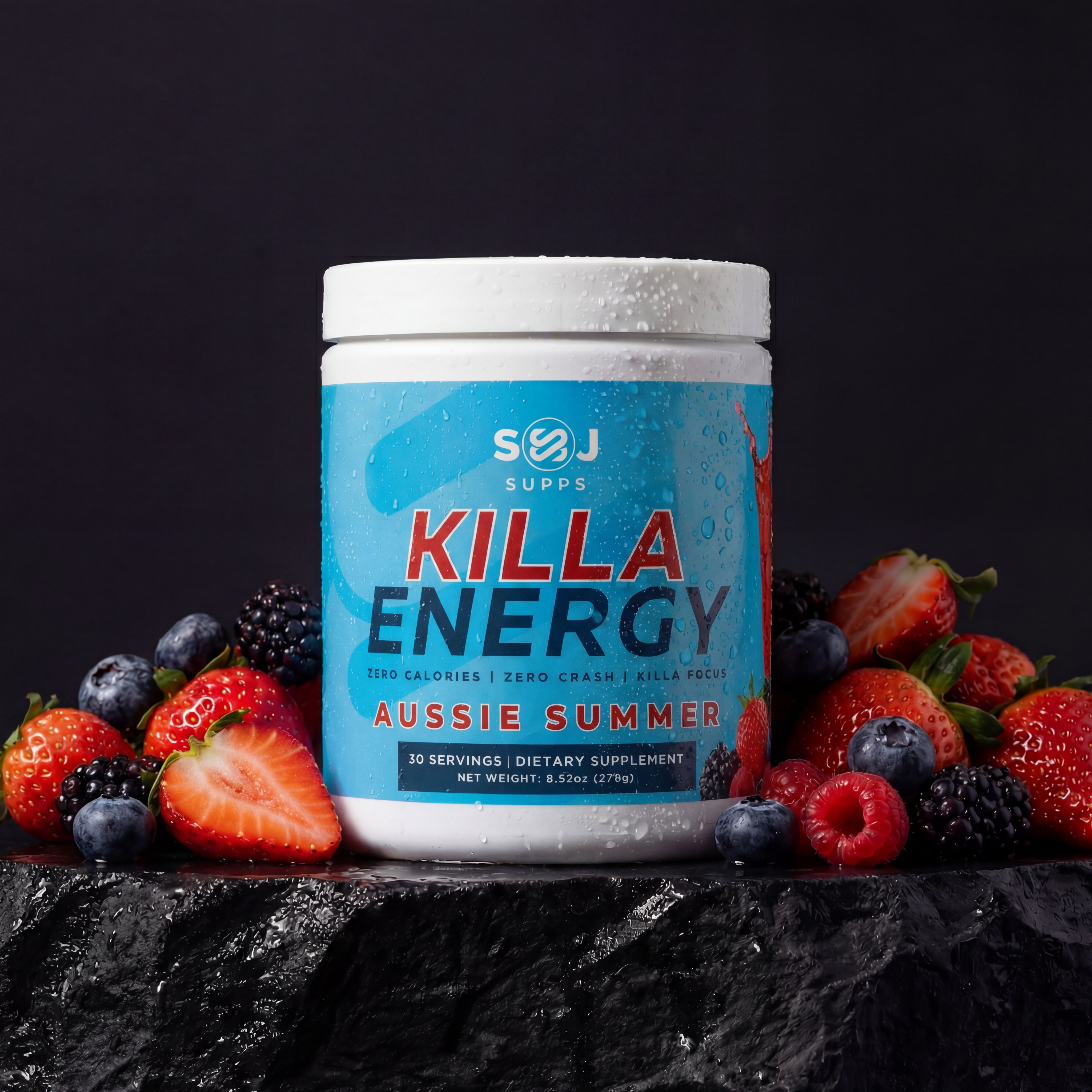
S&J Killa Energy™
6 hours clean energy · Zero calories · 100% natural · Won’t break your fast
Why Experiencing Energy Crashes After Drinking Coffee Affects Your Energy
Coffee crashes happen because caffeine blocks adenosine receptors in your brain—the chemical messengers that signal tiredness. When caffeine wears off after 3-4 hours, all that accumulated adenosine floods back at once, creating intense fatigue. Meanwhile, coffee's rapid absorption creates a sharp energy spike followed by an equally sharp drop.
According to the Journal of Caffeine Research, caffeine alone increases cortisol by up to 30%, which can destabilize blood sugar and amplify crash symptoms. Your adrenal glands work overtime to process the stimulant surge, then become temporarily depleted when levels drop. This is why the afternoon slump feels so brutal—your natural energy systems are running on empty.
Coffee also lacks the amino acids that could smooth this process. Without compounds like L-Theanine to modulate caffeine's effects, or L-Taurine to support stable neurotransmitter function, you're getting all the spike with none of the sustainability. Your brain chemistry swings from artificial high to crushing low, leaving you reaching for another cup within hours.
What Actually Works for Coffee Replacement When Experiencing Energy Crashes
Here's how to break the crash cycle and maintain steady energy:
1. Time your caffeine strategically—consume it 90 minutes after waking when cortisol naturally dips, not immediately upon rising when cortisol is already peaked.
2. Pair caffeine with protein and healthy fats to slow absorption and prevent blood sugar spikes that worsen crashes.
3. Stay hydrated throughout the day—even mild dehydration amplifies fatigue when caffeine wears off.
4. Choose caffeine with crash-preventing compounds—S&J Killa Energy™ combines 150mg caffeine with L-Theanine, which smooths caffeine into focused, calm energy without jitters or crashes. L-Taurine supports stable GABA activity to prevent rebound fatigue.
5. Add fat-burning support—Killa Energy™ includes Acetyl-L-Carnitine and Green Tea Extract to maintain metabolic energy even as caffeine tapers, plus African Mango and Raspberry Ketones for appetite control. At zero calories and 100% natural, you get 6 hours of sustained energy that tapers naturally without the crash.
Coffee Replacement for Energy Crashes FAQ
Why does coffee energy only last 1-2 hours?
Coffee's caffeine peaks quickly but lacks amino acids like L-Theanine to extend its effects. Without these supporting compounds, your body metabolizes caffeine rapidly, leading to adenosine rebound and energy crashes within 2-3 hours instead of sustained focus.
What causes the coffee crash feeling?
Coffee crashes occur when blocked adenosine receptors flood back with accumulated "tired" signals, while blood sugar drops from any initial spike. Your adrenals also become temporarily depleted from processing the stimulant surge, creating fatigue worse than your original tiredness.
How is a caffeine supplement different from coffee for crashes?
Quality caffeine supplements include crash-preventing amino acids like L-Theanine and L-Taurine that coffee lacks. These compounds smooth caffeine absorption, support stable neurotransmitter function, and prevent the adenosine rebound that causes crashes, delivering sustained energy instead of spikes.
Upgrade Your Energy
Stop settling for coffee crashes when you can have 6 hours of clean, focused energy. Killa Energy™ delivers 150mg caffeine with L-Theanine and supporting amino acids for jitter-free sustained energy that tapers naturally—no crash, zero calories, 100% natural ingredients across 6 delicious flavors.
Shop Killa Energy