


Fat Oxidation is the metabolic process where your body breaks down stored fatty acids into usable energy through a complex series of biochemical reactions. This process, also known as lipolysis followed by beta-oxidation, allows your body to tap into fat reserves when glucose stores are depleted or when energy demands increase.
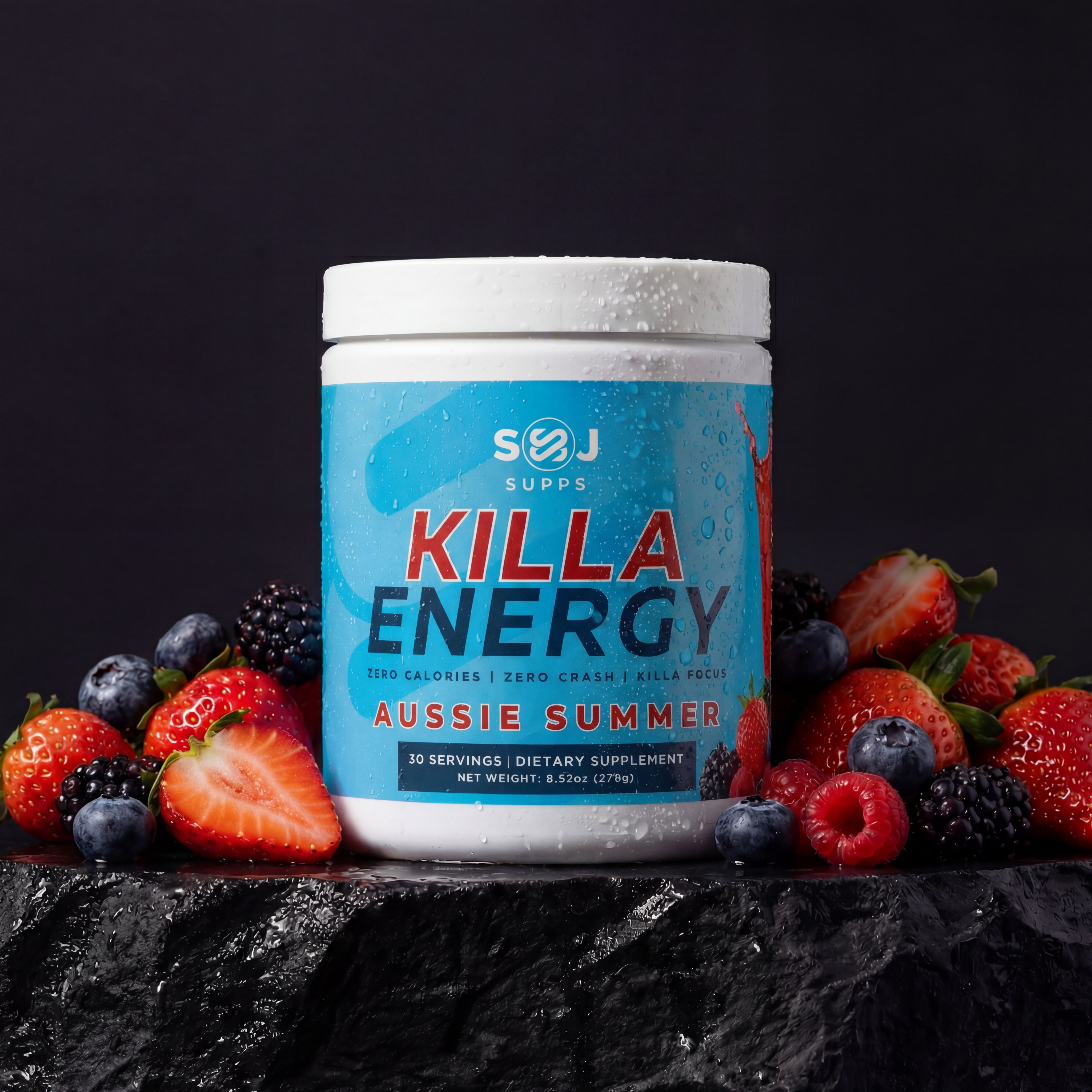
S&J Killa Energy™
6 hours clean energy · Zero calories · 100% natural · Won’t break your fast
How Fat Oxidation Works
Fat oxidation occurs through a two-stage process that transforms stored triglycerides into adenosine triphosphate (ATP), your body's energy currency. First, lipolysis breaks down triglycerides in fat cells into glycerol and free fatty acids, which are then released into the bloodstream. These fatty acids travel to muscle cells and other tissues where beta-oxidation occurs in the mitochondria, breaking down the fatty acid chains into acetyl-CoA molecules that enter the citric acid cycle for ATP production.
According to research published in the Journal of the International Society of Sports Nutrition, fat oxidation rates can increase by up to 25% during moderate-intensity exercise performed in a fasted state. The process is heavily influenced by exercise intensity, with the American College of Sports Medicine noting that maximum fat oxidation typically occurs at 45-65% of VO2 max. Hormones play crucial roles in this process: epinephrine and norepinephrine activate hormone-sensitive lipase, while insulin inhibits fat breakdown. A study in the American Journal of Clinical Nutrition found that caffeine can increase fat oxidation rates by 10-29% in lean individuals, primarily by enhancing the release of fatty acids from adipose tissue and increasing metabolic rate.
Why Fat-Burning Matters for Energy
Fat oxidation is essential for maintaining healthy body composition, supporting endurance performance, and ensuring metabolic flexibility. When your body efficiently burns fat for fuel, you maintain stable energy levels throughout the day and reduce dependence on frequent carbohydrate intake. Research from the National Institutes of Health shows that individuals with higher fat oxidation capacity have better insulin sensitivity and are at lower risk for metabolic syndrome.
For endurance athletes, enhanced fat oxidation means sparing precious glycogen stores during prolonged exercise. The Mayo Clinic reports that training your body to oxidize fat more efficiently can improve exercise performance and help maintain energy during activities lasting longer than 90 minutes. Additionally, efficient fat oxidation supports weight management goals, as Harvard Health notes that individuals who can effectively switch between burning carbohydrates and fats tend to have more stable body weights over time.
Practical Takeaways
- Engage in moderate-intensity cardio at 60-70% of your maximum heart rate to optimize fat burning, as recommended by the American Heart Association
- Consider fasted morning workouts 2-3 times per week, which research suggests can increase fat oxidation by up to 20%
- Include 150-200mg of caffeine before exercise, which studies show can enhance fat oxidation rates and improve exercise performance
- Incorporate strength training at least twice weekly, as muscle tissue has higher mitochondrial density and greater fat-burning capacity
- Allow 12-16 hours between your last meal and morning exercise to deplete glycogen stores and promote fat utilization
- Consume adequate protein (0.8-1.2g per kg body weight daily) to maintain muscle mass, which is metabolically active and supports ongoing fat oxidation
The 150mg of caffeine in S&J Killa Energy™ can support your fat oxidation goals by enhancing the release of fatty acids from storage and increasing your metabolic rate during exercise, while the added L-Theanine helps maintain steady energy without the crashes that can disrupt your body's natural fat-burning processes.