


Vitamin C can worsen acid reflux when taken as pure ascorbic acid, but buffered forms like sodium ascorbate and calcium ascorbate neutralise the acidity while delivering the same immune benefits. Most people with acid reflux avoid vitamin C supplements entirely, missing out on crucial immune protection during cold and flu season. According to the American Gastroenterological Association, over 60 million Americans experience heartburn monthly, often triggered by acidic foods and supplements. The key isn't avoiding vitamin C — it's choosing the right form that supports your immunity without irritating your digestive system.
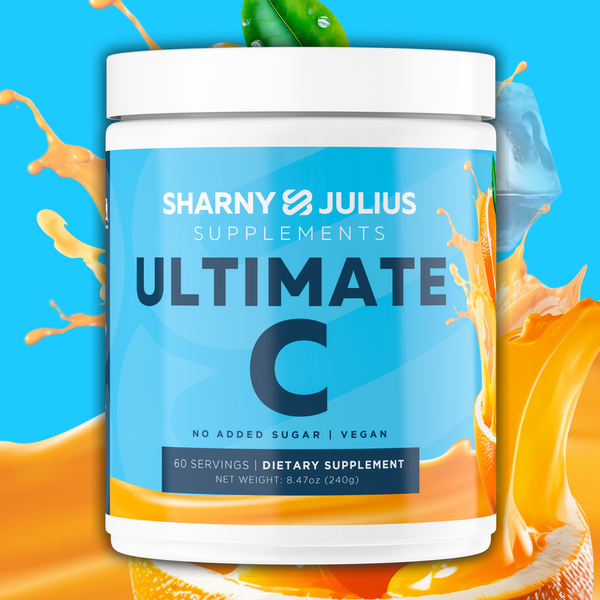
S&J Ultimate C
Triple-form vitamin C · Zero calories · Zero sugar · Family-safe
Why Vitamin C Triggers Acid Reflux in Sensitive People
Pure ascorbic acid has a pH of 2.1 — nearly as acidic as lemon juice — which directly irritates the oesophageal lining and triggers reflux symptoms in sensitive individuals. When you take standard vitamin C tablets, this concentrated acid hits your stomach and lower oesophagus, increasing gastric acid production and relaxing the lower oesophageal sphincter. According to the Journal of Gastroenterology Research, acidic supplements can increase reflux episodes by up to 40% in GERD patients. This creates a frustrating cycle: you need vitamin C for immune function, especially when stressed or unwell, but taking it makes your digestive symptoms worse. The inflammation from repeated acid exposure also damages the protective mucosal lining, making your stomach even more sensitive to future irritation. This is why most people with reflux give up on vitamin C supplements entirely, leaving their immune system vulnerable when they need protection most.
What Actually Works for Reflux-Safe Vitamin C Supplementation
1. Choose buffered vitamin C forms like calcium ascorbate or sodium ascorbate, which neutralise acidity while maintaining full potency. 2. Take vitamin C with food to slow absorption and reduce direct contact with your oesophageal lining. 3. Start with smaller doses and gradually increase to assess your tolerance level. 4. Look for supplements that combine multiple vitamin C forms — S&J Ultimate C uses ascorbic acid for potency, sodium ascorbate for gentle absorption, and calcium ascorbate for stomach comfort in one formula. 5. Add citrus bioflavonoids, which support gut lining integrity and reduce mucosal sensitivity that makes reflux symptoms worse. Ultimate C includes rosehip extract for additional natural vitamin C plus zinc for immune enzyme support, all in a zero-sugar, naturally orange-flavoured powder that tastes like orange juice rather than harsh tablets that can lodge in your throat.
Acid Reflux and Vitamin C FAQ
Can I take vitamin C if I have acid reflux?
Yes, but choose buffered forms like sodium ascorbate or calcium ascorbate instead of pure ascorbic acid. These neutralise the acidity while delivering full immune benefits without triggering reflux symptoms.
What type of vitamin C is least likely to cause heartburn?
Calcium ascorbate is the gentlest form for sensitive stomachs, followed by sodium ascorbate. Both buffer the natural acidity of vitamin C while maintaining complete bioavailability for immune function.
Does ascorbic acid make acid reflux worse?
Pure ascorbic acid can worsen reflux due to its low pH of 2.1. However, when combined with buffering minerals like calcium or sodium, it delivers the same potency without stomach irritation.
Upgrade Your Immunity
Don't let acid reflux leave your immune system unprotected. Ultimate C combines three forms of vitamin C — ascorbic acid for potency, sodium ascorbate for quick absorption, and calcium ascorbate for stomach comfort — enhanced with citrus bioflavonoids and rosehip extract, plus zinc for immune support. Zero sugar, zero calories, and a natural orange flavour your whole family will love, specifically formulated for sensitive stomachs.
Shop Ultimate C