


Vitamin C Absorption refers to how efficiently your body takes in and utilizes vitamin C from food or supplements. The process depends on the form of vitamin C, dosage amount, and the presence of cofactors like bioflavonoids, determining how much actually enters your bloodstream versus how much gets eliminated through urine.
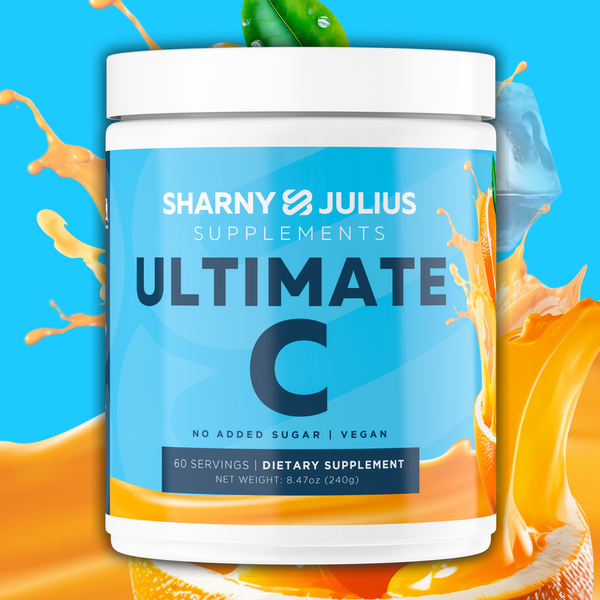
S&J Ultimate C
Triple-form vitamin C · Zero calories · Zero sugar · Family-safe
How Vitamin C Absorption Works
Vitamin C absorption occurs primarily in the small intestine through two distinct transport mechanisms. At low doses, active transport via sodium-dependent vitamin C transporters (SVCT1) achieves nearly complete absorption. However, according to research published in the American Journal of Clinical Nutrition, absorption efficiency drops significantly as doses increase—while the body absorbs about 90% of vitamin C from a 200mg dose, this falls to just 50% at 1,000mg and continues declining with higher amounts.
The form of vitamin C dramatically impacts absorption rates and gastrointestinal tolerance. Ascorbic acid provides the highest bioavailability but can cause stomach upset in sensitive individuals. Studies from the National Institutes of Health show that buffered forms like sodium ascorbate and calcium ascorbate maintain good bioavailability while reducing digestive irritation. The absorption process is further enhanced by cofactors—research published in the Journal of the American College of Nutrition demonstrates that bioflavonoids can increase vitamin C absorption by up to 35% and extend its retention in tissues by inhibiting the enzyme hyaluronidase, which normally breaks down vitamin C.
Why Vitamin C Absorption Matters for Your Health
Optimizing vitamin C absorption is crucial because your body cannot produce or store this essential nutrient, making efficient uptake vital for immune function, collagen synthesis, and antioxidant protection. According to the World Health Organization, even mild vitamin C deficiency can impair immune response and wound healing. For athletes and immune-compromised individuals, absorption efficiency becomes even more critical. Research from the International Journal of Sport Nutrition and Exercise Metabolism shows that athletes may require 200-1000mg daily to maintain optimal blood levels due to increased oxidative stress from training. Poor absorption means higher doses are needed to achieve therapeutic benefits, potentially leading to gastrointestinal side effects and wasted nutrients. Understanding absorption factors helps you maximize benefits while minimizing waste and digestive discomfort.
Practical Takeaways
- Split large doses throughout the day—take 200-500mg every few hours rather than one large dose to maximize absorption efficiency
- Choose buffered forms like sodium ascorbate or calcium ascorbate if you experience stomach upset with ascorbic acid
- Take vitamin C with bioflavonoid-rich foods like citrus fruits or look for supplements containing natural bioflavonoids to enhance absorption
- Time intake away from coffee and tea, as tannins can interfere with vitamin C absorption
- The FDA recommends 90mg daily for men and 75mg for women, but higher amounts may be beneficial for athletes or during illness
- Take vitamin C on an empty stomach for maximum absorption, or with a small amount of food if you experience digestive sensitivity
This is why S&J Ultimate C combines three vitamin C forms—ascorbic acid for maximum potency, sodium ascorbate for gentle absorption, and calcium ascorbate for stomach comfort—optimizing both bioavailability and tolerance in a single formula.