


Protein powders are not inherently bad for healthy kidneys when consumed at recommended doses, but the type and amount of protein matters significantly for kidney function. The confusion around protein and kidney health is completely understandable—conflicting headlines about "protein overload" and kidney damage have left many fitness enthusiasts questioning whether their post-workout shake is helping or hurting them. According to the National Kidney Foundation, healthy kidneys can process 0.8-1.2g of protein per kilogram of body weight daily without strain, though individuals with existing kidney conditions require medical supervision. Smart protein choices focus on moderate doses of easily-processed proteins rather than mega-dose formulas that force your kidneys into overdrive.
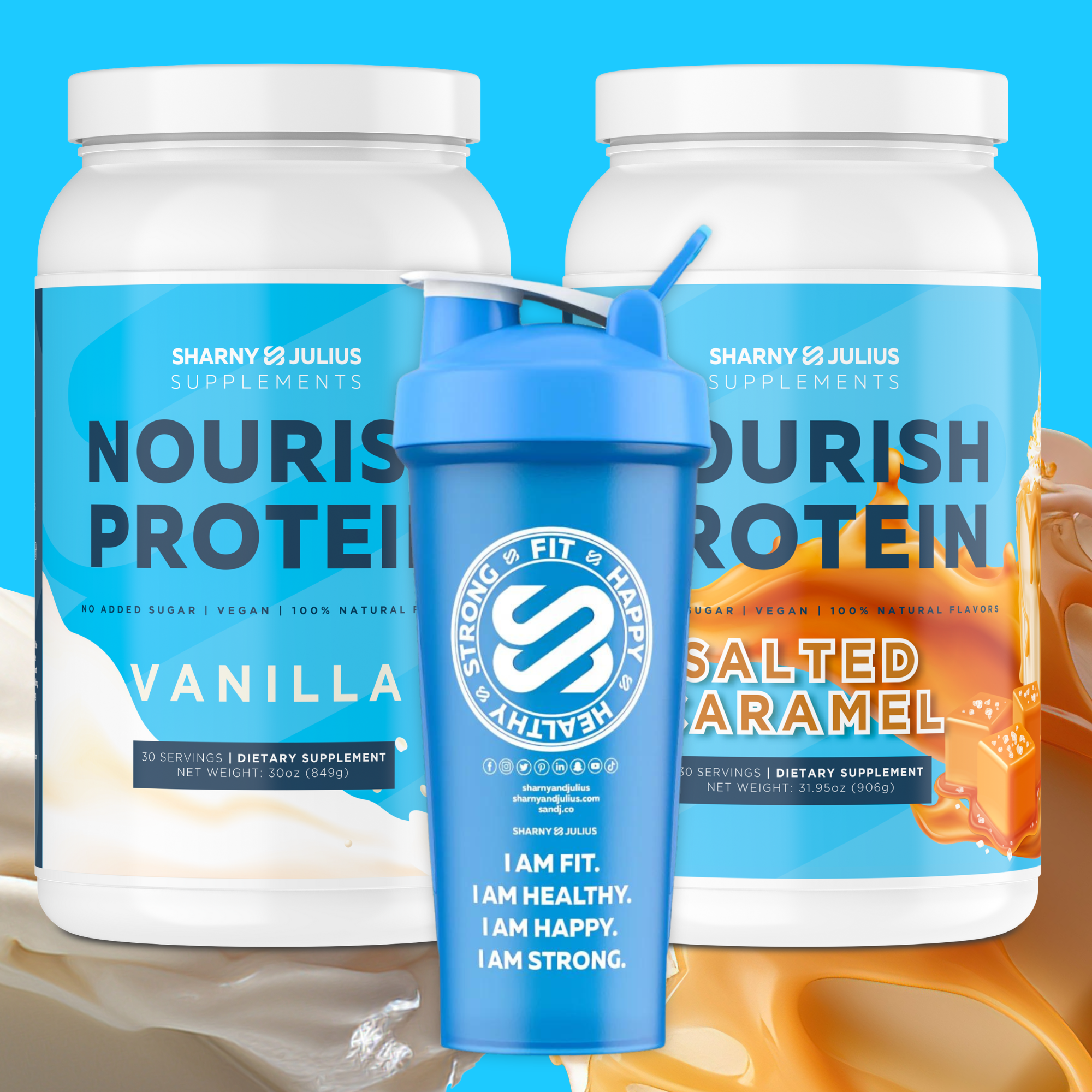
S&J Nourish™ Plant Protein
20g protein · All 9 EAAs · Free from all 9 allergens · NSF Certified
Why Kidney Health Matters for Protein Users
Your kidneys filter approximately 180 liters of blood daily, processing protein waste products through a delicate filtration system. When you consume protein, it breaks down into amino acids and nitrogen-containing compounds that your kidneys must process and eliminate. The concern isn't protein itself—it's hyperfiltration stress from excessive protein loads, particularly from animal sources high in phosphorus and purines. According to research published in the American Journal of Kidney Diseases, diets consistently exceeding 2g of protein per kilogram of body weight can increase kidney workload in susceptible individuals. Pea protein delivers a controlled amino acid profile that healthy kidneys process efficiently without the metabolic burden of high-phosphorus animal proteins. This makes protein selection crucial for anyone prioritizing long-term kidney function alongside their fitness goals, especially those with family histories of kidney issues or underlying health conditions.
What to Look for in a Kidney-Friendly Protein
1. Choose moderate serving sizes: Look for proteins delivering 20-25g per serving rather than mega-dose formulas that overwhelm kidney filtration capacity. 2. Prioritize plant-based sources: Pea, hemp, and rice proteins contain naturally lower phosphorus and purines than whey or casein, reducing metabolic kidney burden. 3. Avoid artificial additives: Skip proteins loaded with artificial sweeteners, colors, and fillers that create additional filtering work for your kidneys. 4. Verify purity with third-party testing: NSF certification ensures every batch is tested for contaminants and banned substances that could stress kidney function. 5. Select complete amino acid profiles: S&J Nourish™ delivers 20g of pea protein isolate with all 9 essential amino acids and a strong BCAA ratio that matches whey's effectiveness. Free from all 9 major allergens and NSF certified for purity, it provides zero bloating (97% of customers report this) while supporting muscle protein synthesis without kidney strain.
Kidney Health and Protein FAQ
Can I drink protein shakes if I have kidney disease?
Individuals with diagnosed kidney disease should only consume protein supplements under medical supervision, as protein requirements are typically reduced to 0.6-0.8g per kilogram of body weight. Your nephrologist can determine safe protein levels based on your specific condition and kidney function tests.
How much protein is safe for kidneys per day?
Healthy adults can safely consume 0.8-1.6g of protein per kilogram of body weight daily without kidney strain. For a 70kg person, this equals 56-112g daily, easily accommodated through whole foods plus one moderate protein shake serving.
Is plant protein easier on the kidneys than whey protein?
Yes, plant proteins like pea protein naturally contain lower phosphorus and purines than dairy-based whey, creating less metabolic waste for kidneys to filter. This makes plant proteins a gentler choice for long-term kidney health.
Find Your Protein
If you're seeking a kidney-conscious protein that doesn't compromise on results, Nourish™ delivers 20g of complete pea protein with all 9 essential amino acids, free from all 9 major allergens and NSF certified for purity. Formulated at clinically appropriate doses and free from artificial additives, it supports your fitness goals while respecting your kidney health—available in Vanilla and Salted Caramel flavors that taste better than traditional whey.
Shop Nourish