


Essential Amino Acids — the nine amino acids your body cannot synthesize on its own and must obtain from food or supplements. These nine compounds -- histidine, isoleucine, leucine, lysine, methionine, phenylalanine, threonine, tryptophan, and valine -- serve as the building blocks for muscle tissue, hormones, enzymes, and immune cells throughout the body.
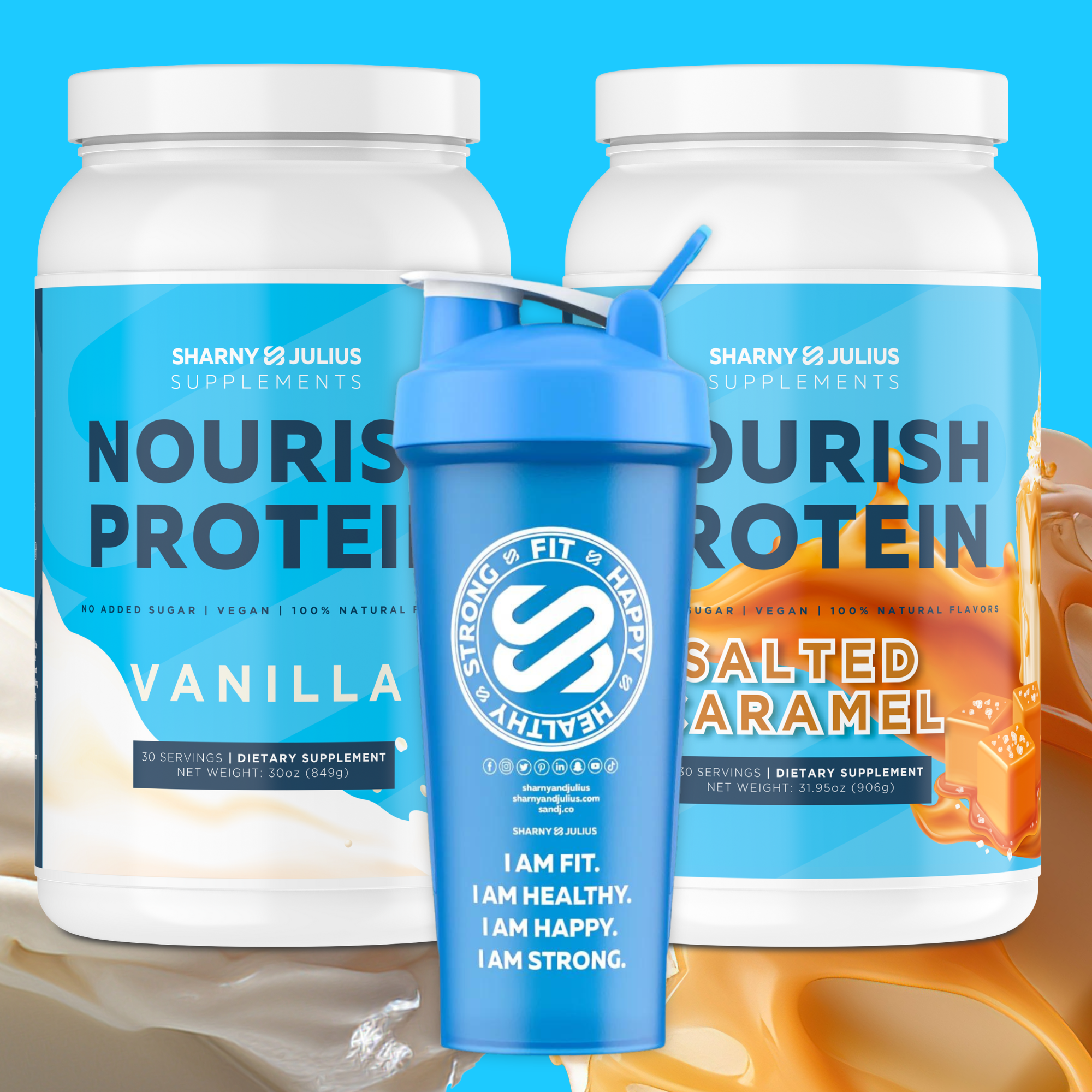
S&J Nourish™ Plant Protein
20g protein · All 9 EAAs · Free from all 9 allergens · NSF Certified
How Essential Amino Acids Work
Your body uses 20 amino acids to construct the thousands of proteins required for daily function. Eleven of these are classified as non-essential because your liver can produce them internally. The remaining nine are essential amino acids (EAAs) that must come from dietary sources. When you consume protein-rich foods, digestive enzymes break them down into individual amino acids, which enter the bloodstream and travel to tissues where they are reassembled into new proteins.
Each essential amino acid fills a distinct biological role. Leucine is the primary activator of the mTOR signaling pathway, the molecular switch that initiates muscle protein synthesis. According to a 2017 study published in the Journal of the International Society of Sports Nutrition, a minimum threshold of approximately 2-3 grams of leucine per meal is needed to maximize the muscle-building response. Tryptophan serves as the precursor to serotonin, the neurotransmitter that regulates mood and sleep cycles. Lysine is critical for collagen production and calcium absorption, while histidine is necessary for producing histamine, which supports immune response and gastric acid secretion.
Research published in the American Journal of Clinical Nutrition (2016) demonstrated that consuming all nine EAAs together stimulates muscle protein synthesis 18% more effectively than consuming BCAAs (leucine, isoleucine, valine) alone. This finding underscores the importance of complete protein sources rather than isolated BCAA supplements for optimal results.
Why Essential Amino Acids Matter for Your Health
Adequate EAA intake directly determines your body's capacity to build and repair tissue, produce hormones, and maintain immune defenses. When even one essential amino acid falls below the required threshold, it creates a rate-limiting bottleneck: your body cannot fully utilize the other eight, regardless of how abundant they are. This concept, known as the limiting amino acid principle, makes dietary balance critical.
According to the National Institutes of Health, age-related muscle loss (sarcopenia) accelerates after age 40, with adults losing 3-8% of lean muscle mass per decade. A 2019 review in the journal Nutrients found that older adults who consumed 25-30 grams of protein containing at least 2.5 grams of leucine per meal showed significantly better preservation of muscle mass compared to those consuming lower amounts. For women navigating perimenopause and menopause, declining estrogen levels further accelerate muscle protein breakdown, making consistent EAA intake especially important during these life stages.
Practical Takeaways
- Include a complete protein source at each meal -- options include eggs, fish, poultry, dairy, quinoa, soy, or pea protein isolate -- to ensure all nine EAAs are available for your body to use.
- The American College of Sports Medicine recommends consuming 1.2-2.0 grams of protein per kilogram of body weight daily for active adults, distributed across 3-4 meals.
- Target at least 2-3 grams of leucine per meal to reach the threshold needed to activate muscle protein synthesis, as identified in research published in the Journal of the International Society of Sports Nutrition.
- If following a plant-based diet, combine complementary protein sources throughout the day -- such as legumes with grains -- to cover any amino acid gaps, though strict meal-by-meal combining is not necessary.
- Consume 20-30 grams of complete protein within two hours after resistance exercise to capitalize on the elevated rate of muscle protein synthesis during recovery.
S&J Nourish™ plant-based protein by S&J Luxury Fitness provides all nine essential amino acids from pea protein isolate, delivering 20g of complete protein per serving without dairy, soy, or other major allergens.