


The best vegetables for vitamin C are bell peppers (especially red ones), broccoli, Brussels sprouts, kale, and cauliflower, which contain significantly more vitamin C per serving than most citrus fruits. However, vitamin C is extremely fragile and degrades rapidly during cooking, storage, and transport, meaning you're likely getting far less than the nutrition labels suggest. According to the Journal of Food Science, vegetables can lose 25-100% of their vitamin C content within days of harvest, and cooking destroys up to 50% of what remains. While eating vitamin C-rich vegetables is absolutely beneficial for your health, relying solely on food sources often leaves gaps in your daily vitamin C needs, especially during times when your immune system needs extra support.
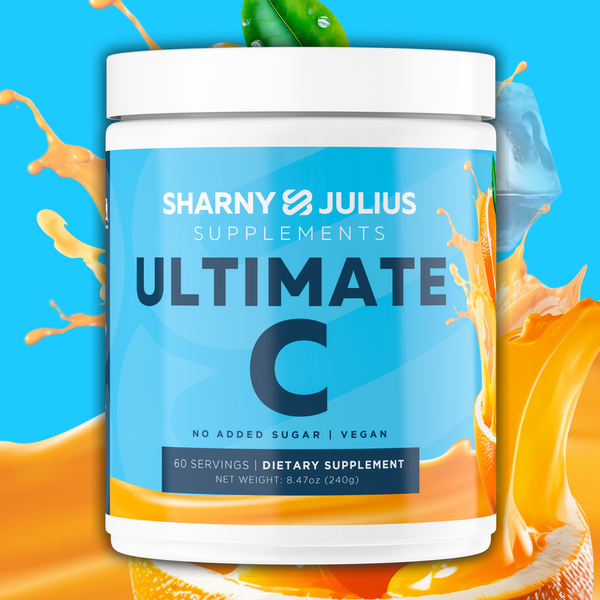
S&J Ultimate C
Triple-form vitamin C · Zero calories · Zero sugar · Family-safe
Why wanting to increase vitamin C through vegetable intake Affects Your Immunity
Your body cannot produce or store vitamin C, requiring a constant daily supply for optimal immune function, collagen synthesis, and antioxidant protection. While vegetables like red bell peppers and broccoli are excellent sources, the vitamin C content dramatically decreases from farm to plate. Heat, light, oxygen, and time all destroy vitamin C molecules. Even perfectly fresh broccoli loses vitamin C when you blanch, steam, or roast it. According to the USDA, boiling vegetables reduces vitamin C content by 45-65%. Raw consumption helps, but it's challenging to eat enough raw vegetables daily to meet your body's needs, especially during stress, illness, or seasonal changes when vitamin C requirements increase. The water-soluble nature of vitamin C means any excess is quickly eliminated, making consistent intake crucial rather than sporadic large doses from occasional vegetable servings.
What Actually Works for food-sources wanting to increase vitamin C through vegetable intake
1. Eat vegetables raw when possible — add bell pepper strips, broccoli florets, and shredded Brussels sprouts to salads and slaws. 2. Use gentle cooking methods — steaming and quick sautéing preserve more vitamin C than boiling or roasting. 3. Buy locally and eat quickly — choose the freshest vegetables possible and consume within 2-3 days of purchase. 4. Supplement strategically — S&J Ultimate C provides three forms of vitamin C (ascorbic acid for potency, sodium ascorbate for quick absorption, calcium ascorbate for stomach comfort) that work through different absorption pathways, ensuring maximum uptake regardless of your digestive state. 5. Enhance absorption naturally — Ultimate C includes citrus bioflavonoids that multiply vitamin C absorption and rosehip extract for additional natural vitamin C, plus zinc to support the 300+ enzymes your immune system depends on. One scoop daily tastes like orange juice, contains zero sugar and zero calories, making it the perfect complement to your vegetable intake.
food-sources wanting to increase vitamin C through vegetable intake FAQ
What vegetables are highest in vitamin C?
Red bell peppers contain the most vitamin C among vegetables, followed by yellow bell peppers, broccoli, Brussels sprouts, and kale. Red bell peppers provide about 190mg per cup, nearly triple the amount found in oranges, while raw broccoli delivers around 80mg per cup.
Is raw or cooked broccoli better for vitamin C?
Raw broccoli contains significantly more vitamin C than cooked broccoli, as heat destroys vitamin C molecules. Steaming for 3-5 minutes preserves more vitamin C than boiling, but raw broccoli florets in salads or as snacks provide maximum vitamin C content.
Do leafy greens have vitamin C?
Yes, leafy greens like kale, spinach, and arugula contain vitamin C, though in smaller amounts than bell peppers or broccoli. Kale provides the most among leafy greens with about 80mg per cup, while spinach offers around 8mg per cup raw.
Upgrade Your Immunity
While capsicum, broccoli, and kale are among the highest vegetable sources of vitamin C, cooking and storage losses make it challenging to meet your daily needs through food alone. Ultimate C's triple-form vitamin C formula with citrus bioflavonoids and rosehip extract ensures maximum absorption and sustained release, complementing your healthy vegetable intake with pharmaceutical-grade immune support that tastes like orange juice.
Shop Ultimate C