


Rosehip and Vitamin C — Rosehip is the fruit of the rose plant that serves as a concentrated natural source of vitamin C, containing up to 20 times more vitamin C than oranges, plus synergistic antioxidants including carotenoids and polyphenols that enhance immune function, support collagen synthesis, and promote joint health.
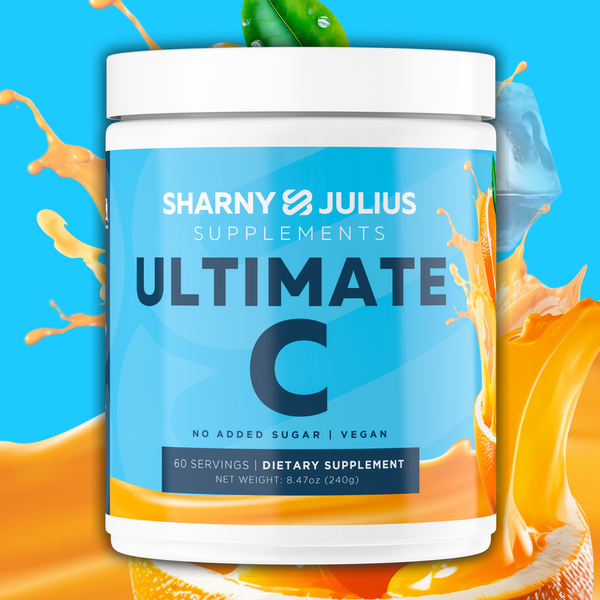
S&J Ultimate C
Triple-form vitamin C · Zero calories · Zero sugar · Family-safe
How Rosehip and Vitamin C Works
Rosehip delivers vitamin C through a unique matrix of complementary compounds that enhance absorption and biological activity. According to research published in the Journal of Clinical Medicine, rosehip contains between 200-1,500mg of vitamin C per 100 grams, depending on the variety and processing method. The vitamin C in rosehip exists primarily as L-ascorbic acid, but it's accompanied by powerful cofactors including lycopene, beta-carotene, and galactolipids that create what researchers call a "whole food matrix effect."
This natural combination works through multiple pathways in the body. The vitamin C supports collagen synthesis by serving as a cofactor for the enzymes prolyl hydroxylase and lysyl hydroxylase, which are essential for stabilizing collagen structure. Meanwhile, the polyphenolic compounds in rosehip, particularly proanthocyanidins, help protect vitamin C from oxidation and extend its biological half-life. A study published in the Scandinavian Journal of Rheumatology found that rosehip's galactolipids specifically inhibit chemotaxis of neutrophils, reducing inflammatory responses in joint tissues by up to 40% compared to synthetic vitamin C alone.
Why Rosehip and Vitamin C Matters for Your Health
Rosehip's combination of vitamin C and cofactors provides superior benefits compared to isolated vitamin C supplementation, particularly for immune function and tissue repair. Research from the University of Copenhagen demonstrates that rosehip supplementation increases vitamin C plasma levels more effectively than synthetic ascorbic acid, with bioavailability improved by approximately 30% due to the presence of natural bioflavonoids.
The joint health benefits are particularly significant for active individuals and aging adults. According to a meta-analysis published in Osteoarthritis and Cartilage, daily rosehip supplementation providing 2.5 grams of rosehip powder reduced joint pain scores by an average of 25% and improved mobility measures within 3-4 weeks. The anti-inflammatory galactolipids work synergistically with vitamin C to support cartilage maintenance and reduce exercise-induced oxidative stress that can compromise recovery and performance.
Practical Takeaways
- The World Health Organization recommends 65-90mg of vitamin C daily, but active individuals may benefit from 200-500mg, which rosehip can help provide naturally
- Look for rosehip supplements standardized to contain at least 70% vitamin C by weight for therapeutic benefits
- Take rosehip with vitamin C supplements on an empty stomach for maximum absorption, as the natural acids enhance uptake
- Consider rosehip particularly beneficial if you experience joint stiffness after exercise or have high vitamin C requirements due to stress or training
- The National Institutes of Health notes that natural vitamin C sources like rosehip may be better tolerated by those who experience stomach upset with synthetic forms
- Combine rosehip intake with other antioxidant-rich foods to maximize the synergistic effects of the polyphenolic compounds
While rosehip provides excellent natural vitamin C with beneficial cofactors, combining it with multiple forms of vitamin C can optimize both absorption and therapeutic benefits, particularly for those with higher vitamin C requirements from intense training or immune challenges.