


Buffered vitamin C (sodium ascorbate and calcium ascorbate) has a neutral pH that prevents stomach irritation, while ascorbic acid is acidic and can cause digestive discomfort in sensitive individuals or with higher doses. The truth is, you don't have to choose just one form. According to the National Institutes of Health, vitamin C absorption decreases significantly as doses increase, dropping to just 50% absorption at 1000mg doses. This is why many people take cheap ascorbic acid tablets and feel no difference—their bodies simply can't absorb or tolerate what they're taking. The real solution isn't picking sides between buffered and unbuffered forms, but understanding that different forms work synergistically. Your digestive system, absorption capacity, and immune needs all benefit from a strategic combination approach rather than relying on a single vitamin C form.
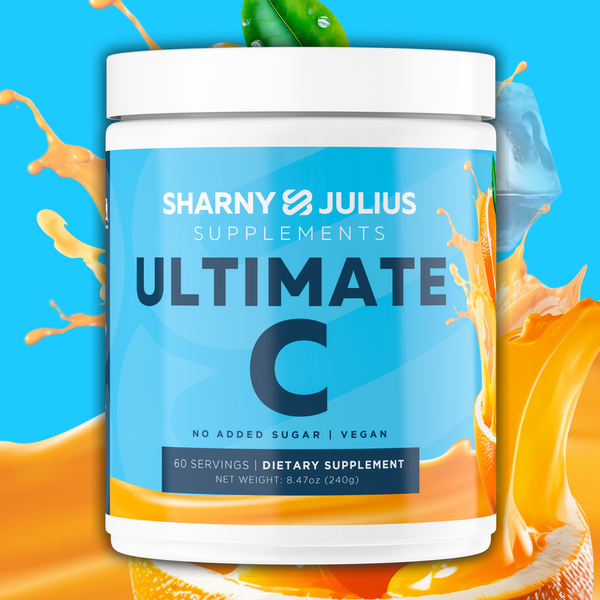
S&J Ultimate C
Triple-form vitamin C · Zero calories · Zero sugar · Family-safe
Why Vitamin C Form Affects Your Immunity and Absorption
Your stomach's acidic environment (pH 1.5-3.5) can be overwhelmed when you add more acid in the form of ascorbic acid, especially on an empty stomach or with doses above 500mg. This creates a cascade of problems: stomach irritation, rapid transit through your digestive system, and poor absorption. Buffered forms like sodium ascorbate and calcium ascorbate have a neutral pH of around 7, allowing for comfortable absorption without the acidic assault. According to research published in the American Journal of Clinical Nutrition, buffered vitamin C forms show improved tolerance and sustained blood levels compared to ascorbic acid alone. However, ascorbic acid remains the most potent and bioavailable form when properly buffered. The key insight? Your body needs different absorption pathways working simultaneously—fast-acting ascorbic acid for immediate bioavailability, gentle sodium ascorbate for sustained absorption, and calcium ascorbate for long-term comfort. This explains why single-form supplements often disappoint despite their vitamin C content.
What Actually Works for Optimal Vitamin C Absorption
1. Take vitamin C with bioflavonoids—these natural compounds from citrus extend vitamin C activity and improve absorption by up to 35%. 2. Split larger doses throughout the day rather than taking one mega-dose your body can't fully process. 3. Choose buffered forms if you're sensitive or plan to take vitamin C daily long-term—stomach irritation leads to inconsistent supplementation. 4. Look for triple-form combinations that provide multiple absorption pathways: pharmaceutical-grade ascorbic acid for potency, sodium ascorbate for quick uptake, and calcium ascorbate for comfort. 5. Add complementary nutrients like zinc for immune enzyme function and rosehip extract for additional natural vitamin C plus skin-supporting antioxidants. S&J Ultimate C delivers exactly this strategy—three vitamin C forms enhanced by citrus bioflavonoids, with rosehip extract and zinc, all in a zero-sugar, zero-calorie formula that tastes like fresh orange juice. One scoop daily provides clinically meaningful amounts your body actually absorbs, not the minimal quantities found in typical multivitamins.
Vitamin C Forms FAQ
What is the difference between buffered and unbuffered vitamin C?
Buffered vitamin C is pH-neutral and gentle on the stomach, while unbuffered ascorbic acid is acidic and can cause digestive irritation. Buffered forms like sodium ascorbate and calcium ascorbate are created by binding ascorbic acid to minerals, neutralizing the acidity while maintaining vitamin C potency.
Is buffered vitamin C more effective than regular?
Buffered vitamin C isn't necessarily more effective, but it's better tolerated for daily use and higher doses. The most effective approach combines both—ascorbic acid for maximum potency and bioavailability, plus buffered forms for sustained, comfortable absorption without stomach upset.
Which form of vitamin C is easiest on the stomach?
Calcium ascorbate is the gentlest form of vitamin C, followed by sodium ascorbate. Both are buffered to neutral pH and won't cause the stomach irritation associated with ascorbic acid, making them ideal for sensitive individuals or daily supplementation.
Upgrade Your Immunity
Stop choosing between potency and comfort—Ultimate C gives you all three vitamin C forms for maximum absorption with zero stomach discomfort. Triple-form vitamin C enhanced by citrus bioflavonoids and rosehip extract, plus zinc for immune enzyme support, in a delicious natural orange flavor the whole family loves.
Shop Ultimate C