


Buffered Vitamin C refers to vitamin C compounds that have been chemically bonded with alkaline minerals like sodium, calcium, or magnesium to neutralize the natural acidity of ascorbic acid, creating a gentler supplement that reduces stomach irritation while preserving the vitamin's immune-supporting and antioxidant properties.
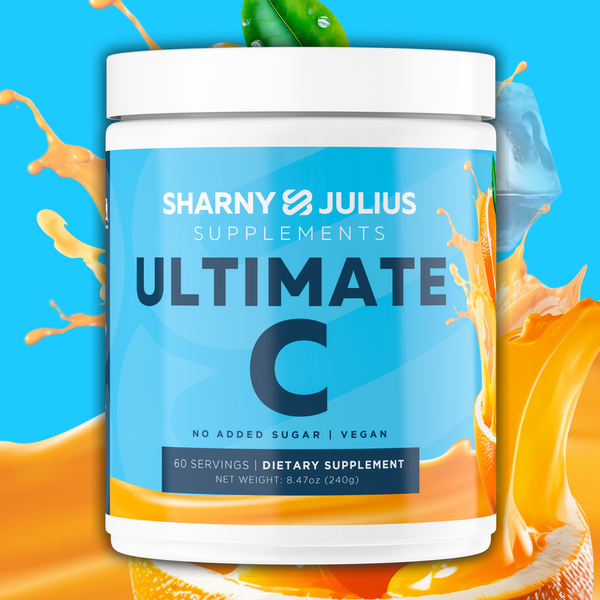
S&J Ultimate C
Triple-form vitamin C · Zero calories · Zero sugar · Family-safe
How Buffered Vitamin C Works
Pure ascorbic acid has a pH of approximately 2.1, making it highly acidic and potentially harsh on the digestive system. Buffered forms work by combining ascorbic acid with alkaline minerals through a process called chelation, creating compounds like sodium ascorbate (pH 6.8-7.4) and calcium ascorbate (pH 6.8-7.8). According to research published in the American Journal of Clinical Nutrition, these buffered forms maintain equivalent bioavailability to pure ascorbic acid while significantly reducing gastric irritation.
The buffering process doesn't diminish vitamin C's biological activity. A study in the Journal of Nutritional Science found that sodium ascorbate and calcium ascorbate demonstrate identical antioxidant capacity and cellular uptake rates compared to ascorbic acid. The mineral components provide additional benefits—sodium ascorbate supports electrolyte balance, while calcium ascorbate contributes approximately 90-110mg of elemental calcium per gram of vitamin C. Research from the National Institutes of Health shows that buffered forms reduce stomach acid production by up to 40% compared to unbuffered ascorbic acid, explaining their superior tolerability profile.
Why Buffered Vitamin C Matters for Your Health
Buffered vitamin C enables higher-dose supplementation without digestive discomfort, which is crucial for maximizing vitamin C's health benefits. The tolerable upper limit for vitamin C is 2,000mg daily according to the Institute of Medicine, but many people experience stomach upset at doses above 500-1,000mg of regular ascorbic acid. This limitation is significant because research published in the Cochrane Database of Systematic Reviews indicates that immune system benefits plateau around 1,000-2,000mg daily for most adults.
For specific populations, buffered forms are particularly valuable. A study in the Journal of the American Geriatrics Society found that elderly individuals show 60% better tolerance to calcium ascorbate compared to ascorbic acid, while maintaining superior absorption rates. Pregnant women, who require 85mg of vitamin C daily versus 75mg for non-pregnant adults according to the World Health Organization, also benefit from the gentler profile of buffered forms when higher intake is desired.
Practical Takeaways
- Choose buffered vitamin C if you experience stomach upset with regular ascorbic acid supplements, especially at doses above 500mg
- Take vitamin C with food regardless of form—the Mayo Clinic recommends this timing for optimal absorption and minimal gastric irritation
- Aim for the recommended daily intake of 90mg for men and 75mg for women, with upper limits of 2,000mg daily as established by the Institute of Medicine
- Consider calcium ascorbate if you need both vitamin C and additional calcium support, as each gram provides approximately 100mg of elemental calcium
- Space larger doses throughout the day—research shows absorption decreases as single-dose amounts exceed 400mg
- Consult healthcare providers before exceeding 1,000mg daily, particularly if you have kidney stones or iron overload conditions
This principle of combining different vitamin C forms for optimal tolerance and absorption is why formulations like S&J Ultimate C include both potent ascorbic acid and gentler buffered forms like sodium ascorbate and calcium ascorbate in a single serving.