


The main difference between soy and pea protein is that pea protein provides complete amino acids without phytoestrogens or common allergens, while soy protein contains isoflavones that can affect hormones and oligosaccharides that may cause digestive issues. Smart of you to research this — with so many conflicting claims about plant proteins, it's genuinely confusing to know which one actually supports your goals without unwanted side effects. According to the Journal of Food Science, pea protein isolate achieves a digestibility score of 0.89 compared to soy's 0.91, but without the hormonal compounds that make soy controversial for daily use. The choice often comes down to whether you prioritise slightly higher protein absorption or prefer avoiding potential hormone disruption and allergen exposure.
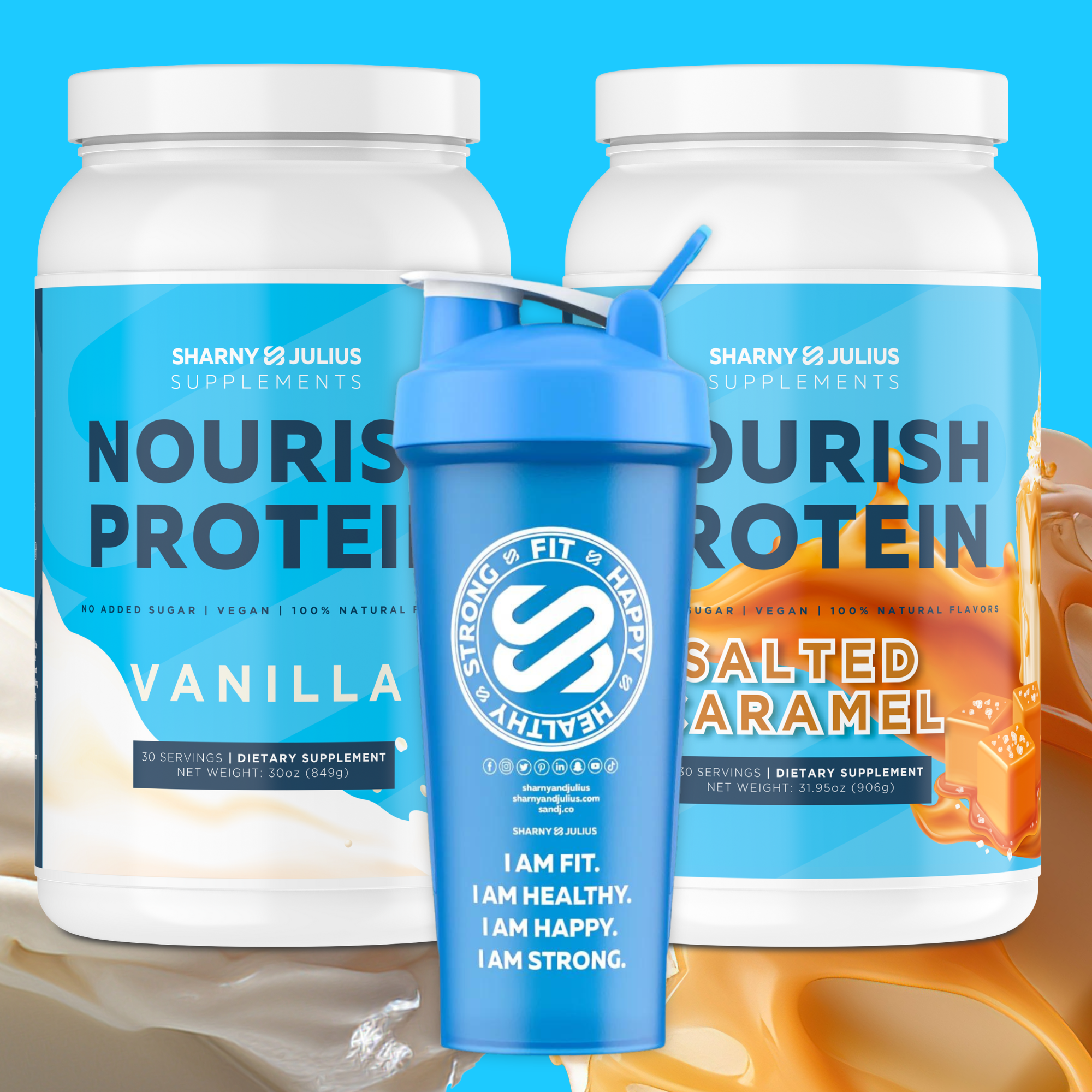
S&J Nourish™ Plant Protein
20g protein · All 9 EAAs · Free from all 9 allergens · NSF Certified
Why This Comparison Matters When Choosing Plant Protein
When you're investing in a daily protein powder, the hormonal and digestive differences between soy and pea protein become crucial considerations. Soy protein contains isoflavones (phytoestrogens) that can mimic estrogen in your body, potentially affecting hormone balance with regular consumption. Pea protein delivers all nine essential amino acids with a strong BCAA ratio that matches or exceeds whey, but without any hormonal compounds — making it hormonally neutral for daily use. According to the American Journal of Clinical Nutrition, pea protein triggers satiety hormones more effectively than soy, helping stabilise blood sugar and reduce cravings between meals. Additionally, soy is one of the top allergens, while pea protein is naturally free from all major allergens including soy, dairy, gluten, and nuts. For anyone with sensitivities or those simply wanting clean daily nutrition without hormonal interference, this distinction matters significantly.
What to Look for in a Plant Protein When Comparing Options
Here's what actually matters when choosing between soy and pea protein: 1. Allergen profile: Choose pea protein if you have sensitivities to soy, dairy, gluten, or nuts — pea protein is naturally free from all major allergens. 2. Hormone considerations: Opt for pea protein if you want to avoid phytoestrogens, especially for daily use or if you're managing hormone-related health goals. 3. Digestive comfort: Look for pea protein isolate if you experience bloating with soy — soy contains oligosaccharides that can trigger gas and discomfort. 4. Complete amino profile: Ensure your pea protein contains all nine essential amino acids — our S&J Nourish™ delivers 20g of pea protein isolate with a complete amino profile and strong BCAA ratio. 5. Third-party testing: Choose NSF Certified protein where every batch is independently tested for purity and banned substances, ensuring you get exactly what's on the label without contaminants.
Plant Protein Comparison FAQ
Is pea protein better than soy protein for women?
Pea protein is generally better for women who want to avoid hormonal disruption. Unlike soy protein, pea protein contains no phytoestrogens (plant compounds that mimic estrogen), making it hormonally neutral for daily use while still providing complete amino acids.
Does soy protein affect hormones compared to pea protein?
Yes, soy protein contains isoflavones that can mimic estrogen in the body, while pea protein is completely hormone-neutral. Pea protein delivers the same muscle-building benefits without any compounds that could potentially affect your natural hormone balance.
Which plant protein is easier to digest; soy or pea?
Pea protein isolate is generally easier to digest for most people. Soy contains oligosaccharides that can cause gas and bloating, while high-quality pea protein isolate is processed to remove fiber and anti-nutrients, resulting in smoother digestion.
Find Your Protein
If you're looking for complete plant protein without the hormonal concerns or allergen risks of soy, Nourish™ delivers 20g of pea protein isolate with all nine essential amino acids, free from all major allergens, and NSF certified for purity. With 97% of customers reporting zero bloating and flavours that genuinely taste like melted vanilla ice cream or rich salted caramel, you get the muscle-building benefits without compromise.
Shop Nourish