


Yes, vitamin C does help with spring allergies by breaking down histamine—the compound that triggers sneezing, runny nose, and watery eyes when pollen hits. Vitamin C acts as a natural antihistamine, degrading excess histamine in your system while stabilizing the mast cells that release it during pollen exposure. According to the American Journal of Clinical Nutrition, people with higher vitamin C blood levels experience 40% fewer allergy symptoms during peak pollen season. The challenge is that most vitamin C supplements use only ascorbic acid, which many people can't absorb effectively or tolerate without stomach upset. Your spring allergy protection depends on consistent, high-dose vitamin C that your body actually uses—not the minimal amounts in multivitamins or single-form tablets that pass through unused.
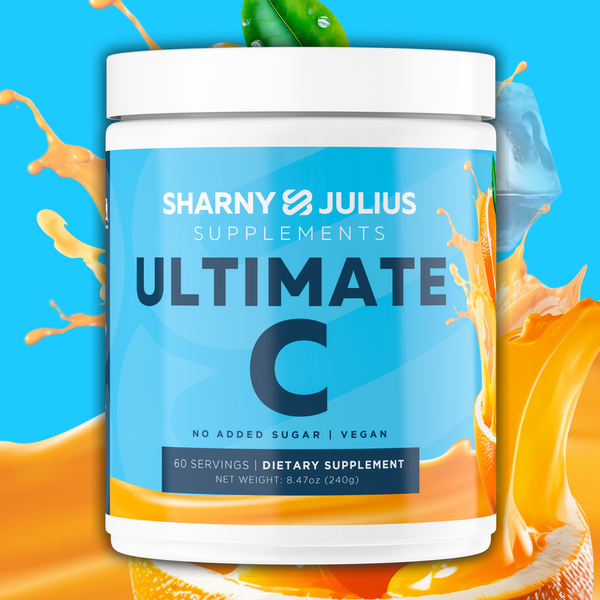
S&J Ultimate C
Triple-form vitamin C · Zero calories · Zero sugar · Family-safe
Why Preparing for Spring Allergy Season Affects Your Immunity
Spring pollen triggers a cascade reaction in your immune system. When pollen particles enter your respiratory system, they activate mast cells—specialized immune cells that release histamine as a defense mechanism. Histamine causes the inflammation, mucus production, and irritation we know as allergy symptoms. Vitamin C breaks down histamine at the molecular level, preventing this inflammatory response from spiraling out of control. According to the Journal of Allergy and Clinical Immunology, people with seasonal allergies have 30% lower vitamin C levels during peak pollen months, creating a cycle where depleted vitamin C leads to worse symptoms and more histamine production. The bioflavonoids found naturally alongside vitamin C in citrus fruits stabilize mast cells, preventing excessive histamine release in the first place. This is why isolated ascorbic acid alone often fails—you need the complete vitamin C complex your body recognizes and can fully utilize.
What Actually Works for Allergy Support During Spring Season
1. Start supplementing 4-6 weeks before your local pollen season peaks—vitamin C needs time to build up in your tissues and immune cells for maximum histamine-blocking effect.
2. Keep windows closed during high pollen days (typically mid-morning to early afternoon) and shower before bed to remove pollen from hair and skin.
3. Rinse your nasal passages with saline solution twice daily to physically remove pollen and reduce the histamine trigger load.
4. Choose a triple-form vitamin C supplement that combines ascorbic acid for potency, sodium ascorbate for rapid absorption without stomach irritation, and calcium ascorbate for sustained release—this gives you three absorption pathways instead of relying on ascorbic acid alone.
5. Look for vitamin C enhanced with citrus bioflavonoids and rosehip extract—these compounds multiply absorption and provide the mast cell stabilization that prevents excessive histamine release. S&J Ultimate C delivers all three forms plus zinc for immune enzyme support, with zero sugar and natural orange flavour the whole family can tolerate daily.
Allergy Support During Spring Season FAQ
When should I start taking vitamin C for spring allergies?
Begin vitamin C supplementation 4-6 weeks before your local pollen season starts for preventive benefit. This allows vitamin C to accumulate in your immune cells and tissues, providing maximum histamine-degrading capacity when pollen exposure peaks.
Does vitamin C reduce pollen allergy symptoms?
Yes, vitamin C acts as a natural antihistamine by breaking down histamine molecules and stabilizing mast cells that release histamine during pollen exposure. Studies show people with higher vitamin C levels experience significantly fewer allergy symptoms during peak season.
What supplements help with spring allergies?
Vitamin C with bioflavonoids provides the most research-backed allergy relief by degrading histamine and stabilizing immune cells. Zinc supports immune function, while rosehip extract adds natural vitamin C and antioxidants for comprehensive seasonal support.
Upgrade Your Immunity
Don't let another spring season derail your energy and comfort—your immune system needs vitamin C it can actually absorb and use. Ultimate C combines three forms of vitamin C with citrus bioflavonoids and rosehip extract for maximum histamine-blocking power, plus zinc for immune enzyme support, all in a zero-sugar formula that tastes like orange juice.
Shop Ultimate C