


Citrus Bioflavonoids are naturally occurring plant compounds found in citrus fruits that work synergistically with vitamin C to enhance its absorption, extend its biological activity in the body, and provide powerful antioxidant protection against cellular damage and inflammation.
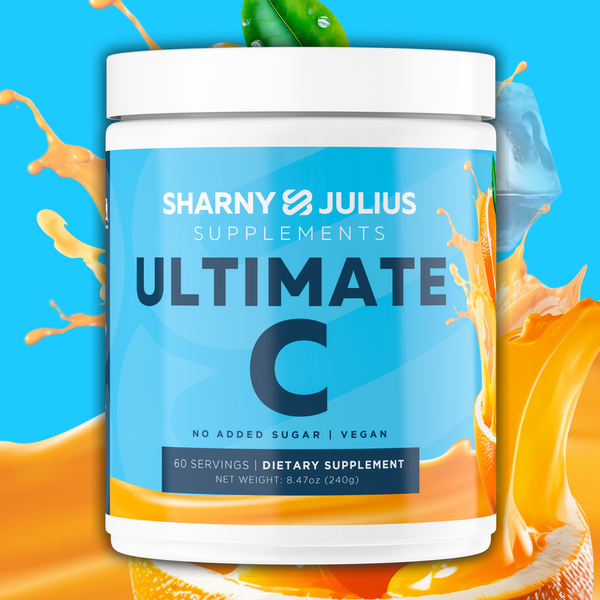
S&J Ultimate C
Triple-form vitamin C · Zero calories · Zero sugar · Family-safe
How Citrus Bioflavonoids Work
Citrus bioflavonoids function as vitamin C's natural partners, creating what researchers call a "synergistic effect" that amplifies the benefits of both compounds. According to a study published in the Journal of Nutritional Science, bioflavonoids can increase vitamin C absorption by up to 35% compared to vitamin C taken alone. The primary bioflavonoids in citrus fruits include hesperidin, rutin, quercetin, and naringin, each contributing unique mechanisms of action.
These compounds work by stabilizing vitamin C in the bloodstream and protecting it from oxidation, which extends its half-life in the body. Research from the American Journal of Clinical Nutrition shows that when vitamin C is consumed with bioflavonoids, plasma vitamin C levels remain elevated 25% longer than with ascorbic acid alone. Bioflavonoids also strengthen capillary walls by supporting collagen synthesis, particularly through the enhancement of hydroxyproline and hydroxylysine amino acid formation. Additionally, they inhibit the enzyme hyaluronidase, which breaks down the cement-like substance between cells, helping maintain tissue integrity and reducing inflammation markers like C-reactive protein by an average of 18% according to research published in Nutrients journal.
Why Citrus Bioflavonoids Matter for Your Health
Citrus bioflavonoids matter because they transform vitamin C from a simple nutrient into a comprehensive cellular protection system. For athletes and active individuals, this translates to enhanced recovery and reduced exercise-induced oxidative stress. A study published in the International Journal of Sport Medicine found that athletes supplementing with vitamin C plus bioflavonoids experienced 31% less muscle soreness compared to those taking vitamin C alone.
Beyond athletic performance, bioflavonoids support cardiovascular health by improving blood vessel flexibility and reducing inflammation. The Harvard Health Publishing reports that regular consumption of citrus bioflavonoids is associated with a 19% reduction in stroke risk. For skin health, these compounds support collagen production more effectively than vitamin C alone, contributing to improved skin elasticity and wound healing. The synergistic relationship also means your body can maintain optimal vitamin C levels with smaller doses, making supplementation more efficient and cost-effective.
Practical Takeaways
- Look for vitamin C supplements that include citrus bioflavonoids, with an ideal ratio of 2:1 vitamin C to bioflavonoids as recommended by the Journal of Nutritional Medicine
- Consume citrus fruits with the white pith intact, as this contains the highest concentration of bioflavonoids
- Take vitamin C supplements with meals containing natural bioflavonoids from colorful fruits and vegetables to maximize absorption
- The National Institutes of Health suggests spreading vitamin C intake throughout the day, as bioflavonoids help maintain steadier blood levels
- Consider timing vitamin C with bioflavonoids post-workout, when your body's antioxidant demands are highest
- Store vitamin C supplements in cool, dark places to prevent degradation of both vitamin C and its bioflavonoid cofactors
This synergistic relationship is why quality vitamin C formulations often include citrus bioflavonoids alongside multiple forms of vitamin C, creating a comprehensive approach to immune support and antioxidant protection.