


Vitamin C works in the body as an electron donor, powering over 300 enzymatic reactions essential for collagen synthesis, neurotransmitter production, and immune cell function. This water-soluble vitamin acts like a cellular battery, giving up electrons to activate enzymes that build connective tissue, produce brain chemicals like serotonin and norepinephrine, and fuel your immune system's defence mechanisms.
If you've been taking standard vitamin C tablets without feeling a noticeable difference, you're experiencing what happens when your body can't properly absorb single-form supplements. According to the National Institutes of Health, vitamin C absorption decreases significantly at doses above 100mg when taken as ascorbic acid alone, with much of it eliminated unused through urine.
Understanding how vitamin C actually functions reveals why most people need a more sophisticated approach than basic ascorbic acid tablets to support their daily health and immunity.
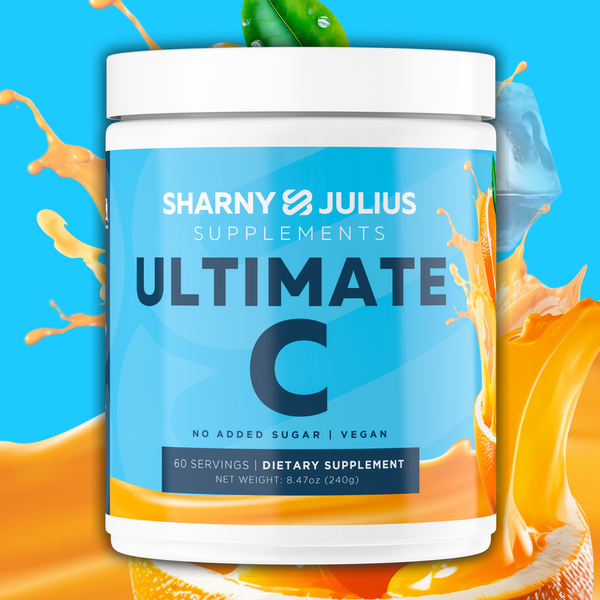
S&J Ultimate C
Triple-form vitamin C · Zero calories · Zero sugar · Family-safe
Why Understanding Vitamin C Science Affects Your Immunity
When you understand vitamin C's biological mechanisms, you realise why your current supplement might be failing you. Vitamin C doesn't just "boost immunity" — it literally powers the enzymatic reactions that create collagen for tissue repair, synthesise neurotransmitters for stress resilience, and fuel white blood cell production for pathogen defence.
The primary mechanism involves vitamin C donating electrons to specific enzymes, particularly prolyl 4-hydroxylase for collagen formation and dopamine β-hydroxylase for neurotransmitter synthesis. Without adequate bioavailable vitamin C, these reactions slow down, compromising everything from wound healing to immune response to mental clarity.
According to research published in the Journal of Nutritional Science, humans lost the ability to synthesise vitamin C millions of years ago due to a genetic mutation, making us entirely dependent on dietary sources. This evolutionary quirk means your body desperately needs vitamin C but has no backup production system when intake is inadequate or poorly absorbed.
What Actually Works for Daily Health and Vitamin C Function
Supporting optimal vitamin C function requires strategic supplementation that addresses absorption limitations:
1. Take vitamin C with bioflavonoids — these compounds recycle oxidised vitamin C back to its active form, extending its cellular activity time
2. Spread intake throughout the day — your body can only absorb limited amounts at once, making sustained release more effective than large single doses
3. Choose buffered forms for consistent absorption — sodium ascorbate and calcium ascorbate absorb more gently than harsh ascorbic acid alone
4. Use triple-form vitamin C like S&J Ultimate C — combining ascorbic acid for potency, sodium ascorbate for rapid absorption, and calcium ascorbate for stomach comfort creates three different absorption pathways your body can utilise
5. Add complementary nutrients — zinc acts as a cofactor for immune enzymes, while rosehip extract provides natural vitamin C plus antioxidants. Ultimate C delivers all these in clinically meaningful amounts with zero sugar, zero calories, and a natural orange flavour that tastes like orange juice, making daily supplementation sustainable for the whole family.
Vitamin C Function Science FAQ
How does vitamin C work at a cellular level?
Vitamin C works by donating electrons to activate enzymes essential for collagen synthesis, neurotransmitter production, and immune function. It acts as a cofactor in hydroxylation reactions, particularly for prolyl and lysyl hydroxylases that create stable collagen, and for enzymes that convert dopamine to norepinephrine.
What does vitamin C do inside your body?
Inside your body, vitamin C powers over 300 enzymatic reactions including collagen formation for skin and tissue repair, neurotransmitter synthesis for brain function, carnitine production for energy metabolism, and immune cell activation. It also regenerates other antioxidants like vitamin E and supports iron absorption in your digestive system.
Why can humans not make their own vitamin C?
Humans cannot make vitamin C because we lack the enzyme L-gulonolactone oxidase due to a genetic mutation that occurred millions of years ago. This evolutionary change means we must obtain all vitamin C from food or supplements, unlike most animals who synthesise their own vitamin C internally.
Upgrade Your Immunity
Now that you understand vitamin C's complex biological functions, give your body the sophisticated support it deserves. Ultimate C delivers triple-form vitamin C with three absorption pathways, enhanced by citrus bioflavonoids and rosehip extract, plus zinc for immune enzyme support — zero sugar, zero calories, tastes like orange juice.
Shop Ultimate C