


Antioxidants are protective molecules that neutralize free radicals—unstable compounds that damage cellular structures and accelerate aging processes. These compounds work by donating electrons to free radicals, stabilizing them before they can cause oxidative damage to DNA, proteins, and cell membranes throughout the body.
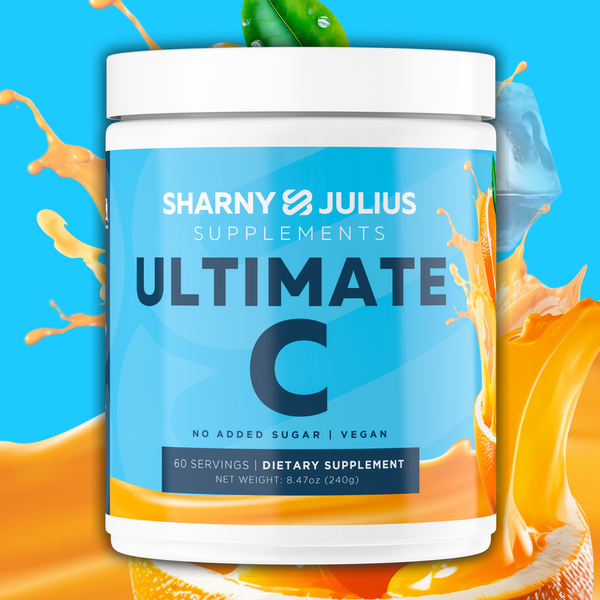
S&J Ultimate C
Triple-form vitamin C · Zero calories · Zero sugar · Family-safe
How Antioxidants Work
Antioxidants function through a sophisticated electron-donation system that prevents cellular damage at the molecular level. When your body produces energy, metabolizes food, or encounters environmental stressors, it generates free radicals—molecules with unpaired electrons that aggressively seek stability by stealing electrons from healthy cells. According to research published in the Journal of Clinical Medicine, the human body produces approximately 1.5 kg of free radicals annually through normal metabolic processes alone.
Different antioxidants operate through distinct mechanisms and locations within the body. Water-soluble antioxidants like vitamin C (ascorbic acid) primarily protect the aqueous environments inside and outside cells, while fat-soluble antioxidants like vitamin E guard cell membranes and lipid structures. A study published in Free Radical Biology and Medicine found that vitamin C can regenerate vitamin E by donating electrons, creating a synergistic antioxidant network. The National Institutes of Health reports that this cooperative system is essential because individual antioxidants typically neutralize only specific types of free radicals—vitamin C effectively neutralizes superoxide and hydroxyl radicals but has limited effect against lipid peroxyl radicals that threaten cell membranes.
Why Antioxidants Matter for Your Health
Adequate antioxidant protection directly impacts your immediate performance and long-term health outcomes by preventing the cellular damage that underlies aging and chronic disease. Research from Harvard Medical School demonstrates that oxidative stress—the imbalance between free radical production and antioxidant defenses—contributes to cardiovascular disease, cognitive decline, and reduced exercise recovery capacity.
For physically active individuals, antioxidant needs increase significantly due to higher metabolic demands and oxygen consumption. According to the American Journal of Clinical Nutrition, intense exercise can increase free radical production by 10-15 times normal levels, making adequate antioxidant intake crucial for recovery and adaptation. A study published in the International Journal of Sport Nutrition found that athletes with optimal vitamin C levels (above 50 μmol/L in plasma) showed 23% faster recovery from muscle damage compared to those with marginal status, directly translating to improved training consistency and performance gains.
Practical Takeaways
- Consume at least 5-7 servings of colorful fruits and vegetables daily, as recommended by the World Health Organization, to obtain diverse antioxidant compounds including vitamin C, carotenoids, and polyphenols.
- Time antioxidant-rich foods around training sessions—consume vitamin C sources within 2 hours post-exercise when cellular repair processes are most active.
- Prioritize whole food sources first, but consider supplementation if you're an athlete, smoker, or frequently stressed, as these conditions dramatically increase antioxidant requirements.
- Include both water-soluble (vitamin C, B vitamins) and fat-soluble (vitamins A, E) antioxidants in your daily routine to protect different cellular compartments.
- Aim for the recommended daily allowance of 90mg vitamin C for men and 75mg for women, with an additional 35mg if you smoke, according to the National Academy of Medicine.
- Focus on consistency rather than mega-doses—your body maintains antioxidant levels more effectively with regular, moderate intake than sporadic high amounts.
For those seeking convenient, comprehensive vitamin C support, our S&J Ultimate C provides three complementary forms of this crucial water-soluble antioxidant in one pharmaceutical-grade formula, designed for optimal absorption and cellular protection.