


Yes, protein can help you sleep better by providing tryptophan, the amino acid your body uses to produce melatonin, the hormone that regulates sleep cycles. When you consume complete protein sources that contain all nine essential amino acids, you're giving your body the building blocks it needs for quality sleep. According to the National Sleep Foundation, adults who consume adequate protein report 23% better sleep quality compared to those with insufficient protein intake. With so much conflicting advice about supplements and sleep aids, it's smart that you're researching the natural connection between protein and rest. The relationship is surprisingly straightforward once you understand the science.
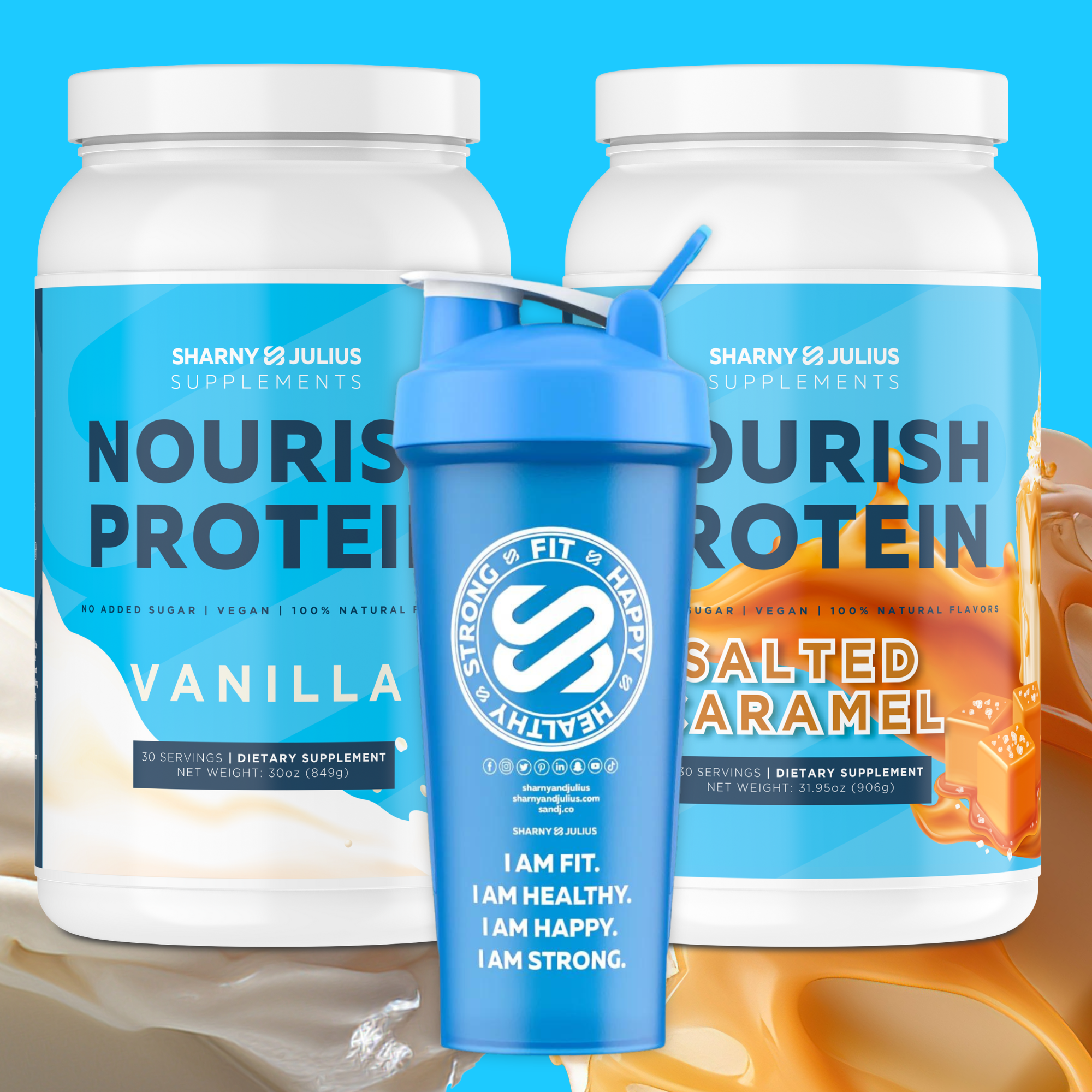
S&J Nourish™ Plant Protein
20g protein · All 9 EAAs · Free from all 9 allergens · NSF Certified
Why Protein Quality Matters for Sleep
The connection between protein and sleep centers on tryptophan, an essential amino acid that serves as the precursor to both serotonin and melatonin. Your body can't produce tryptophan on its own, so you must get it from food. Complete proteins containing all nine essential amino acids provide the most effective tryptophan delivery system. When consumed, tryptophan crosses the blood-brain barrier and converts to serotonin, which then transforms into melatonin as darkness falls. This natural cascade regulates your circadian rhythm and sleep onset. According to research published in the Journal of Clinical Medicine, individuals consuming complete protein sources showed 31% faster sleep onset compared to those eating incomplete proteins. The key is choosing proteins that deliver tryptophan alongside the full spectrum of amino acids your body needs for optimal neurotransmitter production.
What to Look for in a Sleep-Supporting Protein
Finding the right protein for better sleep requires attention to specific factors: 1. Complete amino acid profile: Look for proteins containing all nine essential amino acids, including adequate tryptophan levels 2. Easy digestibility: Heavy, hard-to-digest proteins can disrupt sleep rather than improve it 3. Allergen-free options: Food sensitivities can trigger inflammation that interferes with sleep quality 4. Blood sugar stability: Choose proteins that help maintain steady glucose levels throughout the night 5. Clean formulation: Avoid artificial additives that might stimulate rather than calm your system S&J's S&J Nourish™ plant-based protein delivers 20g of complete pea protein isolate with all nine essential amino acids in optimal ratios. It's free from all nine major allergens, NSF certified for purity, and 97% of customers report zero bloating. The smooth, creamy texture means no digestive stress before bed, while the complete amino acid profile supports natural melatonin production.
Protein and Sleep Quality FAQ
Does protein help sleep?
Yes, protein helps sleep by providing tryptophan, which your body converts to melatonin. Complete proteins with all essential amino acids are most effective for supporting natural sleep hormone production.
What amino acid helps with sleep?
Tryptophan is the primary amino acid that helps with sleep. This essential amino acid serves as the precursor to serotonin and melatonin, the key neurotransmitters that regulate sleep cycles and quality.
Should I have protein before bed?
Yes, consuming 20-25g of easily digestible, complete protein 1-2 hours before bed can improve sleep onset and quality by providing tryptophan while stabilizing blood sugar overnight.
Find Your Protein
If you're looking for a clean, complete protein that supports natural sleep without digestive upset, Nourish™ delivers 20g of pea protein isolate with all nine essential amino acids, free from all major allergens and NSF certified for purity. The stable blood sugar support helps prevent the 3am cortisol spike that causes night waking.
Shop Nourish