


Natural and synthetic vitamin C are chemically identical at the molecular level — your body cannot distinguish between ascorbic acid from an orange or a laboratory. The real difference lies in the cofactors and bioflavonoids that naturally accompany vitamin C in whole foods, which enhance absorption and extend its activity in your body. According to the National Institutes of Health, most vitamin C supplements contain only synthetic ascorbic acid without these natural enhancers, potentially limiting their effectiveness compared to food sources that provide the complete vitamin C complex.
If you've tried basic vitamin C tablets and didn't notice much difference in your energy or immunity, you're not imagining things. Single-form synthetic vitamin C often gets eliminated quickly through urine because it lacks the natural cofactors that help your body actually use and retain it effectively.
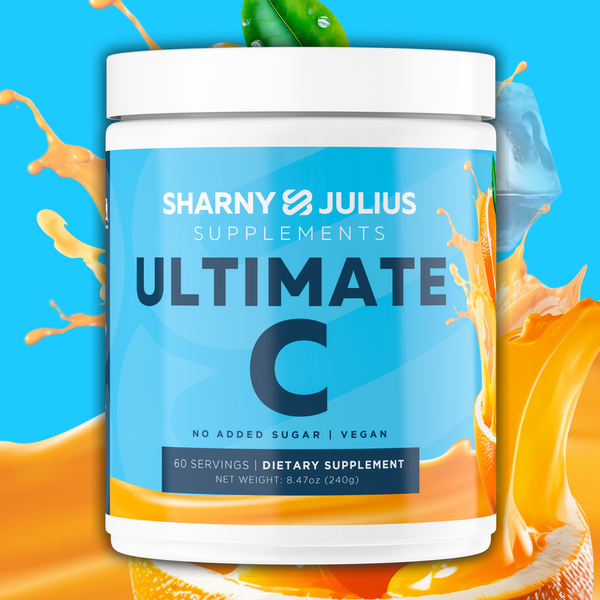
S&J Ultimate C
Triple-form vitamin C · Zero calories · Zero sugar · Family-safe
Why Choosing Between Natural and Synthetic Vitamin C Affects Your Immunity
The debate matters because most vitamin C supplements miss the bigger picture entirely. While synthetic ascorbic acid provides potent, bioavailable vitamin C that your cells readily recognise, it lacks the citrus bioflavonoids, rutin, and other cofactors that naturally occur alongside vitamin C in foods. These compounds act as absorption multipliers and help sustain vitamin C activity in your bloodstream.
According to research published in the American Journal of Clinical Nutrition, vitamin C with bioflavonoids shows superior retention in blood plasma compared to ascorbic acid alone. Your body processes isolated ascorbic acid quickly, often eliminating excess amounts within hours. However, when combined with its natural cofactors, vitamin C demonstrates sustained release and enhanced cellular uptake. This explains why eating an orange feels different than popping a basic vitamin C tablet — you're getting the complete vitamin C complex that your immune system evolved to recognise and utilise effectively.
What Actually Works for Getting Complete Vitamin C Benefits
Here's how to get the immunity benefits of both natural and synthetic approaches:
1. Choose supplements that combine pharmaceutical-grade ascorbic acid with natural cofactors like citrus bioflavonoids and rosehip extract
2. Look for multiple forms of vitamin C in one formula — ascorbic acid for potency, plus buffered forms like sodium ascorbate and calcium ascorbate for gentle absorption and sustained release
3. Time your intake consistently — one serving daily, with a second serving when you feel run down or during cold and flu season
4. Ensure your supplement includes zinc, which supports immune cell function and acts as a cofactor for over 300 enzymes in your body
5. Choose formulas without fillers, artificial colours, or unnecessary additives that can interfere with absorption
S&J Ultimate C solves the natural versus synthetic debate by combining pharmaceutical-grade ascorbic acid with rosehip extract and citrus bioflavonoids. The triple-form blend provides three different absorption pathways, while zinc supports immune enzyme function. Zero sugar, zero calories, with a natural orange flavour that tastes like orange juice.
Natural vs Synthetic Vitamin C FAQ
Is natural vitamin C really better?
Natural vitamin C isn't inherently superior — the ascorbic acid molecule is identical whether from oranges or laboratories. However, natural sources provide cofactors like bioflavonoids that enhance absorption and extend vitamin C activity in your body, making the complete complex more effective than isolated ascorbic acid alone.
Does your body absorb natural vitamin C differently?
Your body absorbs ascorbic acid identically regardless of source, but natural vitamin C comes with bioflavonoids and cofactors that improve retention and utilisation. These compounds help sustain vitamin C levels in your bloodstream longer than synthetic ascorbic acid without cofactors.
What is the difference between natural and synthetic vitamin C?
The ascorbic acid molecule is chemically identical in both forms. Natural vitamin C includes bioflavonoids, rutin, and other cofactors that enhance absorption, while synthetic versions typically contain only isolated ascorbic acid unless specifically formulated with natural cofactors added back.
Upgrade Your Immunity
Stop choosing between natural and synthetic when you can have both benefits in one formula. Ultimate C delivers pharmaceutical-grade potency enhanced by natural cofactors — three forms of vitamin C for maximum absorption, citrus bioflavonoids for sustained activity, rosehip extract for additional antioxidants, and zinc for immune support, all in a zero-sugar formula that tastes like orange juice.
Shop Ultimate C