


Pea protein is generally better than soy protein for most people because it provides a complete amino acid profile without phytoestrogens, common allergens, or digestive issues. With all the conflicting advice about plant proteins floating around social media and supplement stores, it's completely understandable that you're doing your homework before choosing. The reality is that while both pea and soy proteins offer complete amino acid profiles, pea protein delivers superior tolerability and safety for long-term use. According to the Journal of the International Society of Sports Nutrition, pea protein isolate produces muscle thickness gains comparable to whey protein, making it an excellent choice for anyone seeking effective plant-based nutrition without compromise.
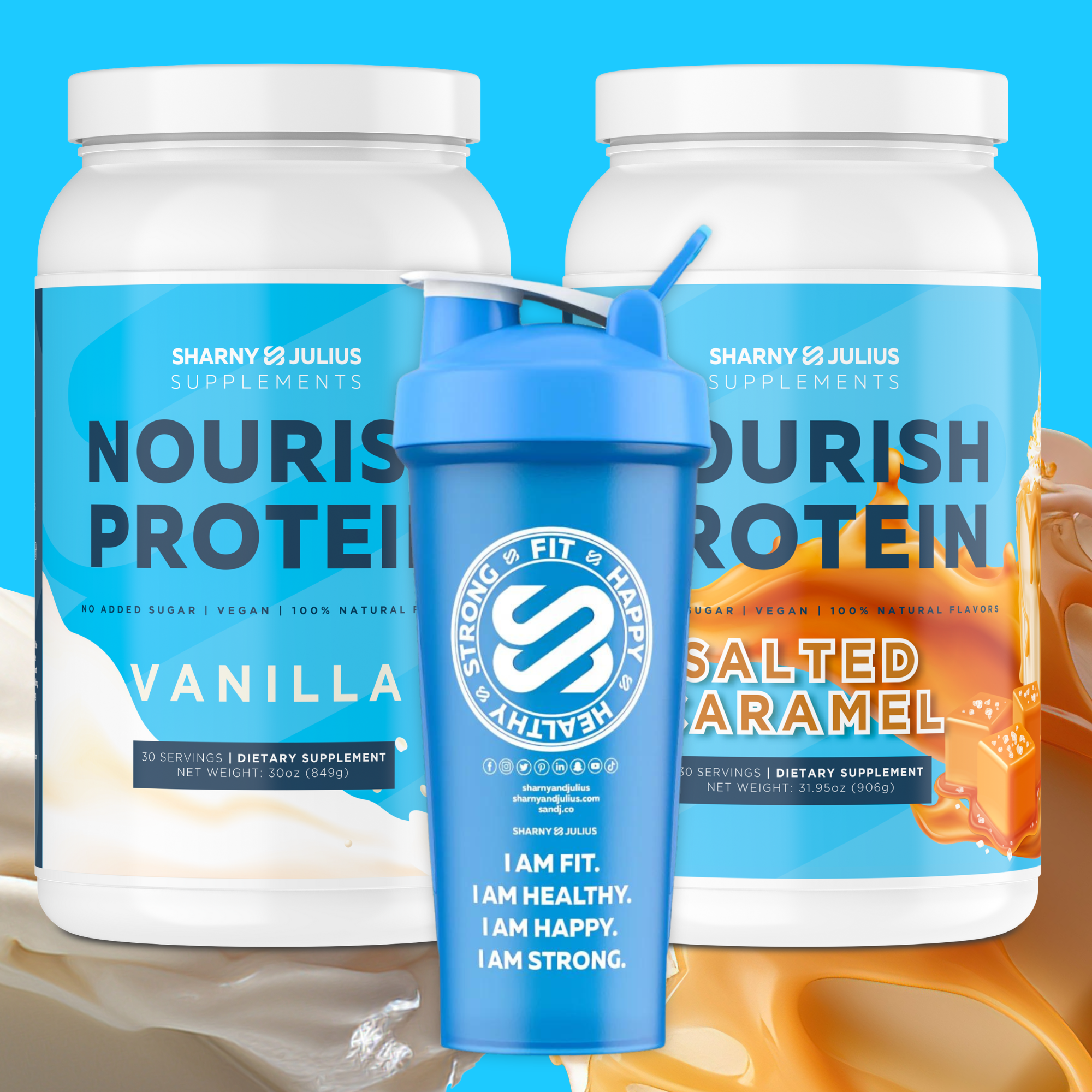
S&J Nourish™ Plant Protein
20g protein · All 9 EAAs · Free from all 9 allergens · NSF Certified
Why Plant Protein Choice Matters for Your Health Goals
When comparing plant protein sources, the key difference lies in what comes alongside the protein itself. Soy protein contains phytoestrogens (plant compounds that mimic estrogen), which can interfere with hormonal balance when consumed regularly. Pea protein, by contrast, delivers all nine essential amino acids without any hormonal activity, making it safer for daily use across all demographics. The leucine content in quality pea protein isolate actually matches or exceeds that found in whey protein, supporting optimal muscle protein synthesis. According to the American Journal of Clinical Nutrition, pea protein demonstrates a protein digestibility score of 0.89 compared to soy's 0.91 — a negligible difference that's overshadowed by pea protein's superior tolerability. Additionally, pea protein is naturally free from the top allergens including soy, dairy, and gluten, making it accessible to people with various dietary restrictions or sensitivities.
What to Look for in a Plant Protein for Your Health Goals
1. Complete amino acid profile — Ensure your protein contains all nine essential amino acids, particularly high leucine content for muscle protein synthesis. 2. Allergen-free formulation — Choose proteins free from soy, dairy, gluten, and other common triggers to avoid digestive discomfort and long-term sensitivities. 3. Third-party testing — Look for NSF certification or similar independent verification to guarantee purity and label accuracy. 4. Zero digestive issues — Quality matters enormously here. Our S&J Nourish™ plant-based protein delivers 20g of pea protein isolate with all nine essential amino acids, plus it's free from all nine major allergens and NSF certified for purity. 5. Actual taste you'll enjoy — The best protein is the one you'll actually use. Nourish™ mixes instantly with just water and tastes like melted vanilla ice cream (Vanilla) or something you'd payfor at a cafe (Salted Caramel), with 97% of customers reporting zero bloating.
Plant Protein Comparison FAQ
Does soy protein affect hormones in women?
Yes, soy protein contains phytoestrogens that can mimic estrogen in the body and potentially affect hormonal balance with regular consumption. While research shows mixed results, many women prefer pea protein to avoid any potential hormonal interference, especially when using protein powder daily for fitness goals.
Which plant protein has the best amino acid profile?
Pea protein isolate has one of the best plant-based amino acid profiles, containing all nine essential amino acids with particularly high leucine content. While soy also offers complete amino acids, pea protein delivers these benefits without phytoestrogens or common allergens that can cause digestive issues.
Is pea protein easier to digest than soy protein?
Yes, pea protein is generally easier to digest than soy protein for most people. Pea protein is naturally free from common allergens and doesn't contain the oligosaccharides found in soy that can cause gas and bloating, making it gentler on sensitive stomachs.
Find Your Protein
If you're looking for clean, effective plant protein without the hormonal concerns or digestive issues, Nourish™ delivers 20g of complete pea protein isolate with all nine essential amino acids. Free from soy, gluten, dairy, and all major allergens with NSF certification, it's designed for safe daily use across all demographics — no phytoestrogens, no bloating, just results.
Shop Nourish