


Plant-based protein powders, particularly pea protein, are generally safe for acid reflux and GERD because they're naturally alkaline and dairy-free, eliminating two major reflux triggers. Finding the right protein when you have acid reflux shouldn't feel like navigating a minefield, but with so many conflicting claims about supplements, it's no wonder you're doing your research. According to the American Gastroenterological Association, up to 20% of the population experiences GERD symptoms weekly, yet most protein powders are formulated without considering digestive sensitivities. The good news is that choosing the right protein can actually support your fitness goals while respecting your digestive system's needs.
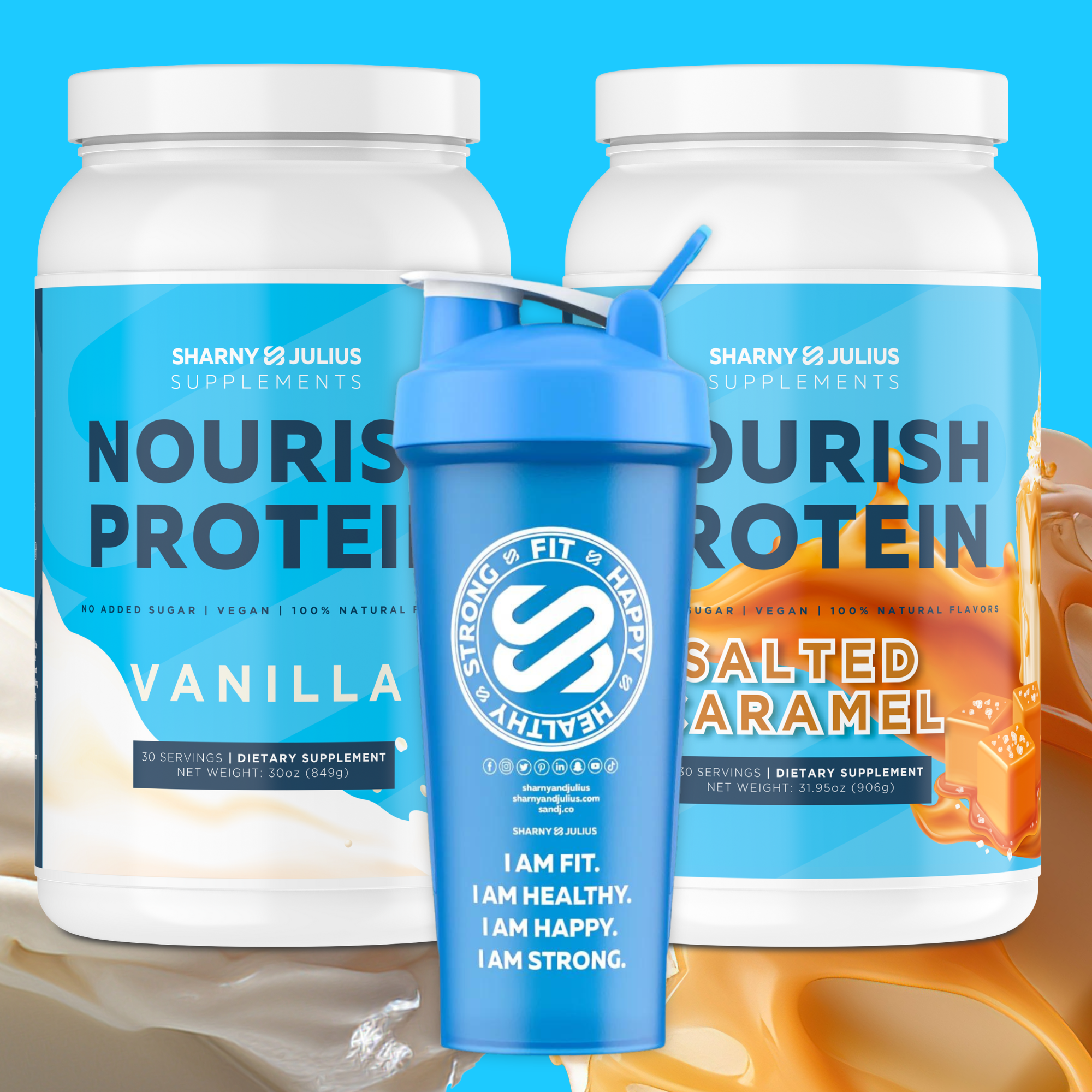
S&J Nourish™ Plant Protein
20g protein · All 9 EAAs · Free from all 9 allergens · NSF Certified
Why Gut Health Matters for People with Chronic Acid Reflux
Your oesophagus is already irritated from stomach acid exposure, so the last thing you need is a protein powder that adds to the problem. Whey protein is naturally acidic and dairy-based — a double hit for reflux sufferers. Pea protein, on the other hand, has an alkaline pH that's gentler on your oesophageal lining. Even more importantly, dairy is a documented GERD trigger for many people because it can increase stomach acid production and slow gastric emptying. According to research published in the Journal of Gastroenterology, dairy elimination improved GERD symptoms in 78% of participants within 8 weeks. This means switching from whey to a high-quality plant protein isn't just about avoiding discomfort — it's about choosing a protein that works with your digestive system rather than against it.
What to Look for in a Protein for People with Chronic Acid Reflux
1. Choose alkaline proteins: Pea protein and rice protein are naturally alkaline, unlike acidic whey or casein proteins that can aggravate reflux symptoms.
2. Avoid dairy completely: Even "lactose-free" whey can trigger reflux because it's the dairy proteins themselves, not just lactose, that cause issues for many GERD sufferers.
3. Skip artificial additives: Artificial sweeteners, gums, and fillers can slow digestion and increase bloating, both of which worsen reflux symptoms.
4. Prioritise easy mixing: Lumpy, poorly mixed protein creates more work for your digestive system. S&J's S&J Nourish™ protein mixes instantly with just water and delivers 20g of complete pea protein isolate with all 9 essential amino acids.
5. Verify purity: NSF certification ensures every batch is tested for contaminants that could irritate sensitive stomachs. Nourish™ is free from all 9 major allergens and 97% of customers report zero bloating — crucial for reflux management.
Gut Health for People with Chronic Acid Reflux FAQ
Which protein powder won't cause reflux?
Pea protein isolate is the safest choice because it's alkaline, dairy-free, and easily digestible. Look for pure formulations without artificial additives, gums, or sweeteners that can trigger symptoms in sensitive individuals.
Is whey protein bad for acid reflux?
Yes, whey protein often worsens acid reflux because it's both acidic and dairy-based. The acidic pH can irritate your oesophagus while dairy proteins can increase stomach acid production and slow gastric emptying.
Can protein shakes soothe acid reflux?
Alkaline plant-based protein shakes can help neutralise stomach acid temporarily. The key is using gentle proteins like pea isolate mixed with water rather than milk, and sipping slowly rather than gulping.
Find Your Protein
When acid reflux limits your food choices, you need a protein that works with your digestive system, not against it. Nourish™ delivers 20g of complete pea protein isolate with all 9 essential amino acids, free from all 9 major allergens, and NSF certified for purity — because sipping a gentle protein shake is far easier on your system than forcing down a large, protein-heavy meal.
Shop Nourish