


Protein powder can support recovery after food poisoning by providing gentle, easily digestible amino acids to repair damaged gut lining without aggravating your healing digestive system. The key is choosing a clean, allergen-free option and starting slowly with half servings 24-48 hours after symptoms resolve. According to the American Gastroenterological Association, food poisoning can damage intestinal villi and reduce nutrient absorption for weeks after initial symptoms subside. With so much conflicting advice about post-illness nutrition, you're smart to research which proteins won't set back your recovery. The wrong choice can trigger nausea, bloating, or digestive distress just when your gut is trying to heal.
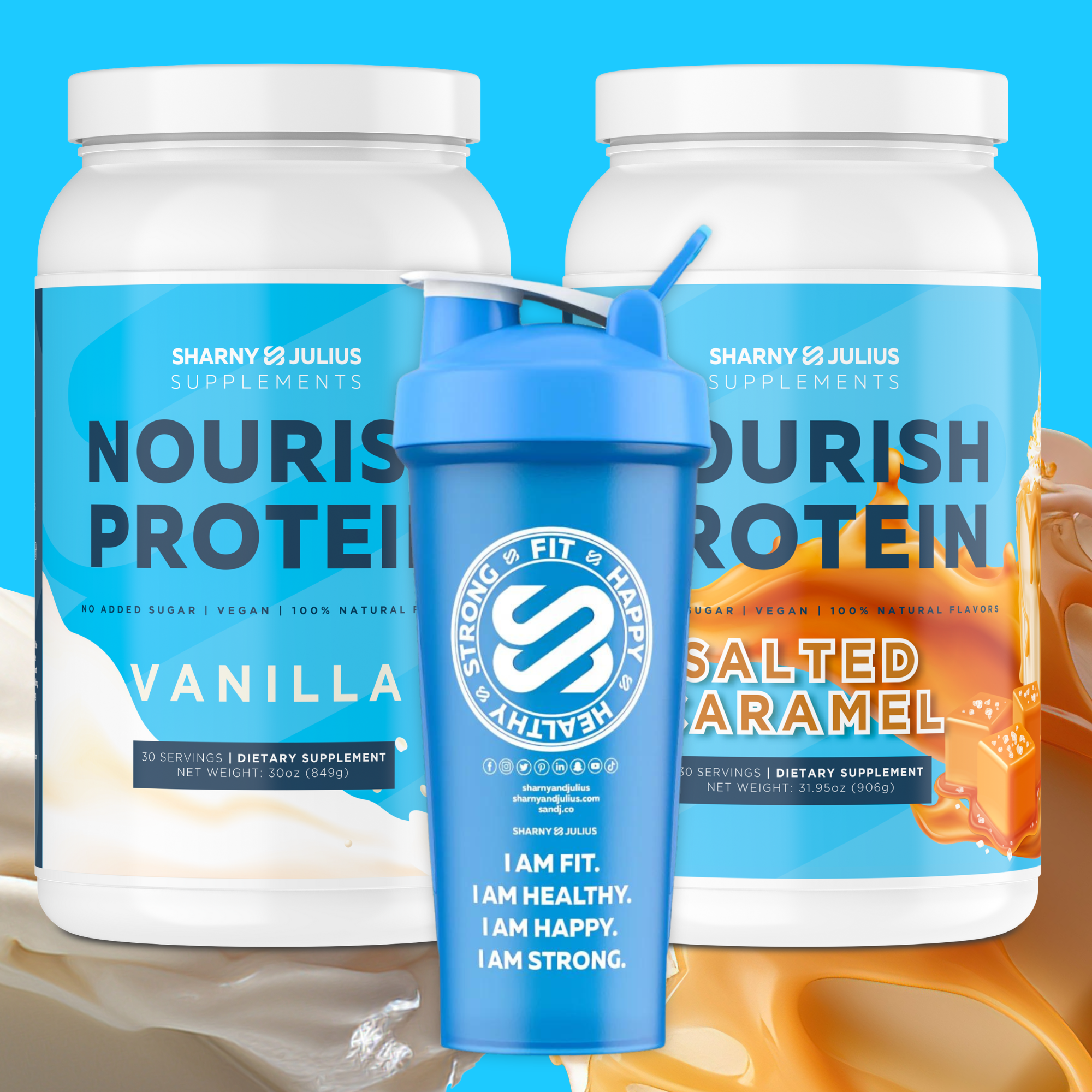
S&J Nourish™ Plant Protein
20g protein · All 9 EAAs · Free from all 9 allergens · NSF Certified
Why Gut Health Matters When Rebuilding Nutrition After Food Poisoning
Food poisoning doesn't just cause temporary discomfort — it strips away the protective mucus layer and damages the intestinal lining that's responsible for nutrient absorption. This leaves your gut hypersensitive to potential irritants like dairy, artificial additives, and complex proteins that normally wouldn't cause issues. According to research published in the Journal of Clinical Gastroenterology, post-infectious digestive sensitivity can persist for 4-6 weeks after bacterial food poisoning. During this vulnerable window, your body desperately needs amino acids to rebuild damaged tissue, but traditional whey proteins or heavily processed powders can trigger inflammation and set back healing. Plant-based proteins like pea protein isolate offer complete amino acid profiles without common allergens, making them ideal for sensitive, recovering digestive systems that need nutrition without irritation.
What to Look for in a Protein When Rebuilding Nutrition After Food Poisoning
1. Complete amino acid profile without allergens — Your gut needs all 9 essential amino acids to repair tissue, but dairy, soy, and gluten can trigger inflammation in sensitised systems. 2. Third-party purity testing — NSF certification ensures no contaminants that could further irritate your healing digestive tract. 3. Start with half servings in water only — Begin with 10g protein 24-48 hours after symptoms resolve to test tolerance before progressing to full servings. 4. Zero artificial additives — Avoid sucralose, artificial colours, and gums that can trigger digestive distress in recovering systems. 5. Proven gentle digestion — S&J Nourish™ provides 20g of pea protein isolate with all 9 essential amino acids, free from all 9 major allergens, and 97% of customers report zero bloating. Every batch is NSF certified for purity, with zero artificial sweeteners, fillers, or gums that could aggravate your healing gut.
Gut Health Recovery After Food Poisoning FAQ
What should I eat after food poisoning?
Start with bland, easily digestible foods like rice, bananas, and toast, then gradually add gentle proteins and probiotics. Avoid dairy, spicy foods, and high-fat meals until your digestive system fully recovers.
How to rebuild gut health after food poisoning?
Focus on gentle, nutrient-dense foods, stay hydrated, and gradually reintroduce normal foods over 1-2 weeks. Consider probiotic-rich foods and clean protein sources to support tissue repair and beneficial bacteria restoration.
Is protein good for recovery after stomach bug?
Yes, protein provides essential amino acids needed to repair damaged gut lining, but choose gentle, allergen-free options. Start with small amounts and avoid dairy-based proteins that can trigger sensitivity in recovering digestive systems.
Find Your Protein
If you're recovering from food poisoning, your gut needs gentle nutrition that won't trigger setbacks. Nourish™ delivers 20g of complete pea protein with all 9 essential amino acids, free from all 9 major allergens, NSF certified for purity, and causes zero bloating in 97% of customers — perfect for sensitive, healing digestive systems.
Shop Nourish