


Protein powder significantly affects your gut microbiome, with plant-based proteins supporting beneficial bacteria while dairy-based proteins can disrupt microbiome diversity and trigger inflammation. The type of protein you choose creates different metabolites during fermentation, directly influencing which gut bacteria thrive or diminish. According to the American Gut Project, people who consume more plant proteins show 25% greater microbiome diversity compared to those relying heavily on animal proteins. With so much conflicting advice about protein supplements, it's smart that you're digging into the science. Your gut bacteria don't just digest protein—they're actively shaped by your choice between plant and animal sources, affecting everything from inflammation levels to nutrient absorption.
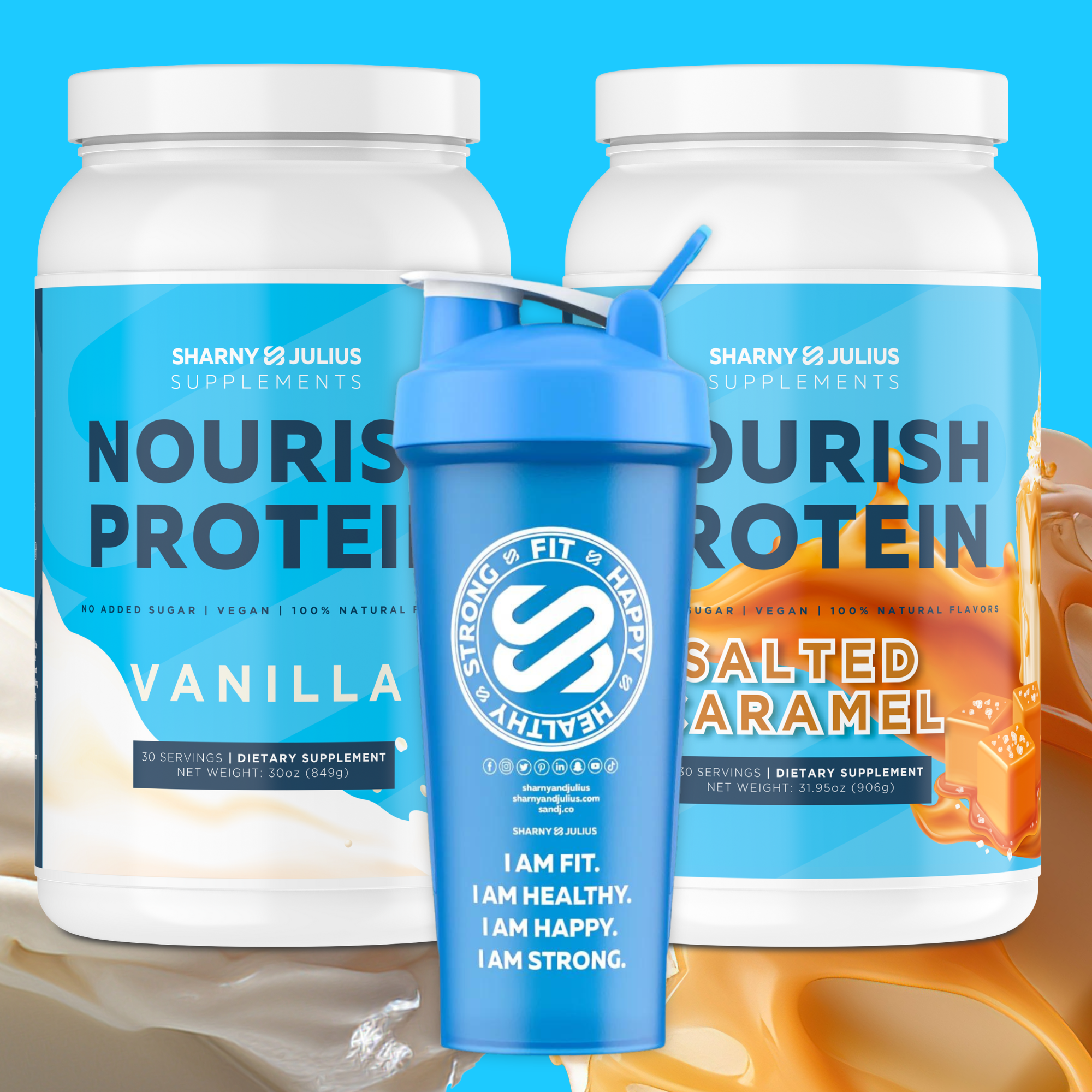
S&J Nourish™ Plant Protein
20g protein · All 9 EAAs · Free from all 9 allergens · NSF Certified
Why Protein Source Matters for Gut Bacteria Balance
When you consume protein powder, gut bacteria ferment the protein into metabolites that either support or disrupt your microbiome balance. Pea protein isolate feeds beneficial bacteria like Bifidobacterium and Lactobacillus, which produce short-chain fatty acids that reduce inflammation and strengthen gut barrier function. In contrast, whey and casein proteins often promote inflammatory metabolites while potentially feeding pathogenic bacteria. According to research published in Nature Reviews Gastroenterology, dairy proteins can reduce beneficial bacteria populations by up to 15% within just two weeks of regular consumption. The fermentation process also matters—plant proteins break down more gently, producing metabolites that support gut lining repair. Meanwhile, dairy proteins can trigger inflammatory responses in sensitive individuals, creating an environment where harmful bacteria flourish while beneficial strains diminish. This bacterial shift affects protein absorption efficiency, creating a cycle where gut health determines how well you utilize the protein you're consuming.
What to Look for in a Gut-Friendly Protein Powder
Choose these specific criteria for optimal gut microbiome support:
- Plant-based protein isolate — specifically pea protein, which feeds beneficial bacteria without the inflammatory triggers found in dairy proteins
- Free from major allergens — dairy, gluten, and soy can all disrupt gut bacteria balance in sensitive individuals
- Zero artificial additives — gums, fillers, and artificial sweeteners like sucralose can negatively alter gut bacteria composition
- Complete amino acid profile — all 9 essential amino acids ensure your gut bacteria have the full spectrum needed for optimal protein metabolism
- Third-party tested for purity — contaminants and heavy metals can damage beneficial bacteria populations
Our S&J Nourish™ plant-based protein checks every box: 20g of pea protein isolate with all 9 essential amino acids, free from all 9 major allergens, NSF certified for purity, and zero artificial anything. Most importantly, 97% of customers report zero bloating—a clear sign of gut compatibility. Available in Vanilla and Salted Caramel, both designed to taste better than traditional whey without compromising gut health.
Protein Powder and Gut Health FAQ
Is protein powder good for gut health?
Plant-based protein powders support gut health by feeding beneficial bacteria and producing anti-inflammatory metabolites, while dairy-based proteins can disrupt microbiome balance. The key is choosing clean, allergen-free options that promote rather than harm beneficial bacterial populations.
Does whey protein damage gut bacteria?
Whey protein can reduce beneficial bacteria diversity by up to 15% and promote inflammatory metabolites during fermentation. It also contains lactose and casein compounds that many people cannot properly digest, leading to gut irritation and bacterial imbalance.
What protein is best for gut microbiome?
Pea protein isolate is optimal for gut microbiome health because it feeds beneficial bacteria like Bifidobacterium while avoiding dairy allergens that disrupt bacterial balance. It produces gentle metabolites during fermentation that support gut lining repair and reduce inflammation.
Find Your Protein
If you want to support your gut microbiome while building muscle, Nourish™ delivers 20g of complete pea protein with all 9 essential amino acids, free from all 9 major allergens, and NSF certified for purity. A healthy gut microbiome improves protein absorption, making plant protein more efficient over time.
Shop Nourish