


Yes, protein significantly affects sleep quality through its impact on sleep hormones, blood sugar stability, and recovery processes. Evening protein consumption provides tryptophan, the amino acid precursor to melatonin, while also preventing the middle-of-the-night blood sugar crashes that can wake you up around 3am.
The timing and type of protein you consume can either support deeper, more restorative sleep or leave you tossing and turning. With so much conflicting advice about when to take protein powder, it's completely understandable if you're unsure whether your evening shake is helping or hindering your sleep quality.
According to the National Sleep Foundation, 35% of adults report poor sleep quality, and many don't realise that their protein timing could be contributing to the problem. The good news is that understanding how protein affects your sleep cycles gives you a powerful tool for optimising both recovery and rest.
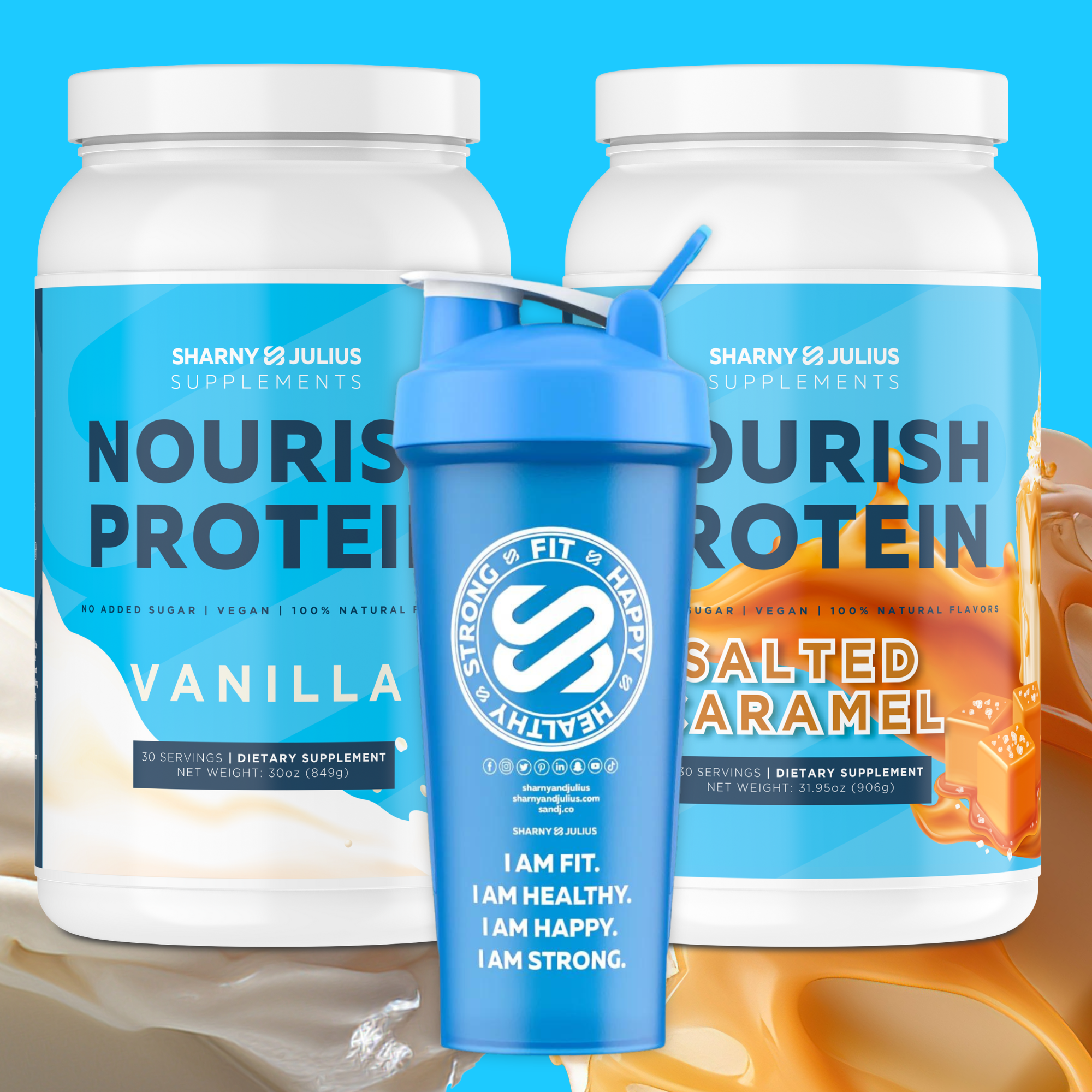
S&J Nourish™ Plant Protein
20g protein · All 9 EAAs · Free from all 9 allergens · NSF Certified
Why Protein Timing Matters for Sleep Quality
Your body's sleep-wake cycle is intricately connected to amino acid availability and blood sugar stability. When you consume protein in the evening, you're providing your body with tryptophan, which crosses the blood-brain barrier and converts to serotonin, then melatonin—your primary sleep hormone. This natural progression helps signal to your body that it's time to wind down.
Equally important is protein's role in maintaining stable blood glucose throughout the night. Without adequate protein before bed, your blood sugar can drop dramatically around 2-4am, triggering a cortisol release that jolts you awake. According to research published in the Journal of Clinical Endocrinology & Metabolism, this cortisol spike affects up to 40% of people who experience regular night wakings.
The type of protein also matters. Fast-digesting proteins can cause an initial energy spike, while slower-digesting options provide sustained amino acid release that supports overnight muscle recovery without disrupting sleep architecture. This is why understanding protein timing isn't just about muscle building—it's about optimising your entire recovery cycle.
What to Look for in a Sleep-Supporting Protein
Choosing the right protein for evening consumption requires specific considerations:
1. Complete amino acid profile: Look for proteins containing all 9 essential amino acids, especially tryptophan, to support natural melatonin production.
2. Gentle digestion: Choose allergen-free options that won't cause bloating or digestive discomfort when you're trying to sleep.
3. Blood sugar stability: Select proteins that trigger satiety hormones to maintain steady glucose levels throughout the night.
4. Clean formulation: Avoid artificial stimulants, colours, or sweeteners that could interfere with sleep quality.
5. Third-party testing: NSF certification ensures purity and eliminates concerns about banned substances or contaminants affecting sleep.
Our S&J Nourish™ plant-based protein delivers 20g of complete pea protein isolate with all 9 essential amino acids, including the tryptophan needed for healthy sleep cycles. It's free from all 9 major allergens and triggers satiety hormones to stabilise blood sugar—97% of customers report zero bloating, making it ideal for evening consumption.
Protein and Sleep Quality FAQ
Does protein before bed help sleep?
Yes, consuming 20-30g of protein 1-2 hours before bed can improve sleep quality by providing tryptophan for melatonin production and preventing blood sugar crashes that cause night wakings. Choose easily digestible, complete proteins to avoid digestive discomfort.
Can protein powder keep you awake?
Some protein powders can disrupt sleep if they contain stimulants, artificial ingredients, or cause digestive issues. However, clean, allergen-free protein powders actually support better sleep by stabilising blood sugar and providing amino acids needed for sleep hormone production.
What is the best time for protein if I have insomnia?
If you have insomnia, consume protein 2-3 hours before your target bedtime rather than right before sleep. This timing allows for proper digestion while still providing the tryptophan and blood sugar stability needed for improved sleep quality.
Find Your Protein
If you're ready to support better sleep through strategic protein timing, Nourish™ provides the complete amino acid profile and gentle digestion you need. With 20g of pea protein isolate, all 9 essential amino acids, and zero bloating reported by 97% of customers, it's designed to enhance recovery without disrupting rest.
Shop Nourish